Category: Casino

  • Hard Rock Tejon Ramps Up Hiring with April Job Fair as Construction Moves Forward

    Hard Rock Tejon Ramps Up Hiring with April Job Fair as Construction Moves Forward

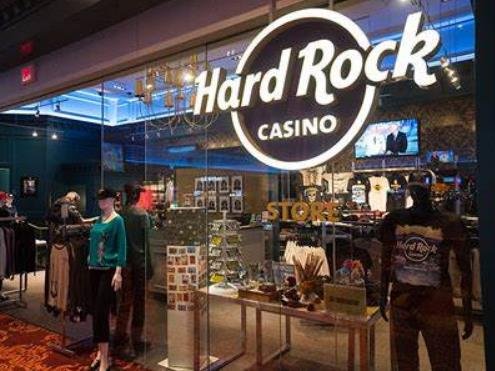
    California’s Hard Rock Hotel & Casino Tejon is gearing up for a major hiring push, with a job and vendor fair set for April 4-5 at Bakersfield College. As construction progresses, the casino is looking to fill around 1,000 positions, marking a significant step toward its grand opening.

    A Big Hiring Wave for a Big Project

    Hard Rock Tejon isn’t just building a casino—it’s creating a massive entertainment destination. The next phase of construction includes a 400-room hotel, multiple dining options, and a live concert venue. With that kind of expansion, the company needs a large and diverse workforce to bring it all to life.

    Chris Kelley, President of Hard Rock Hotel & Casino Tejon, is urging people from all backgrounds to apply. “We hope that any folks that might be interested in working with us will come out and check us out,” he told BakersfieldNow.

    Who They’re Looking For

    The hiring team isn’t just seeking experienced casino workers. In fact, they’re open to all levels of experience. Hard Rock Tejon is emphasizing personal qualities over resumes, seeking:

    • Passionate and energetic individuals
    • Reliable team players
    • People looking for career growth within the organization

    The company is also offering executive roles, which can be found online at gotoworkhappy.com.

    Job Fair Details

    The event will be held at Bakersfield College, making it easy for local job seekers to stop by and apply in person. Attendees will have the chance to meet hiring managers, learn about job openings, and even explore vendor opportunities for those looking to do business with the casino.

    Hard Rock Tejon is expected to be a major economic driver for Kern County, creating not only jobs but also long-term business partnerships. Vendors and suppliers interested in working with the casino are encouraged to attend the fair as well.

    What This Means for Kern County

    Once open, Hard Rock Tejon will be the first resort hotel and casino in Kern County, a major milestone for the region. Beyond entertainment, it’s expected to bring in significant revenue and tourism.

    For job seekers, this is more than just a paycheck—it’s a chance to get in on the ground floor of a major hospitality and entertainment hub. For businesses, it’s an opportunity to partner with a high-profile brand known worldwide.

    The momentum is building, and for those interested in being part of Hard Rock Tejon’s future, April 4-5 could be a key date to mark on the calendar.

  • High 5 Games Ordered to Pay $25 Million in Landmark Social Casino Lawsuit

    High 5 Games Ordered to Pay $25 Million in Landmark Social Casino Lawsuit

  • Native American Tribes Expand Their Influence in Downtown Sacramento Real Estate

    Native American Tribes Expand Their Influence in Downtown Sacramento Real Estate

    Several Sacramento-area Native American tribes, long known for their success in casino gaming, are making significant moves in downtown real estate. Their latest investments mark a shift beyond gaming, positioning them as key players in urban development.

    “It’s not just about casinos anymore,” said Michael Ault, executive director of the Downtown Sacramento Partnership, as quoted by Sacramento Business Journal. “They see an opportunity to be part of the city’s growth.”

    Major Acquisitions Signal a Changing Landscape

    The United Auburn Indian Community (UAIC), which operates Thunder Valley Casino Resort, has been one of the most active tribes in downtown Sacramento’s property market. In 2019, UAIC purchased 300 Capitol Mall (Emerald Tower) for $127 million. At the time, the high-rise boasted a 92% occupancy rate, but as remote work gained traction, it has since fallen to 69%.

    Not stopping there, UAIC acquired 2700 J St. for $4 million last year, setting it aside for a cultural center. The tribe further strengthened its presence with a $17 million purchase of 301 Capitol Mall, a full city block in downtown. Development plans for the site are expected to be unveiled in early 2025.

    Wilton Rancheria, Sacramento’s newest tribal gaming player, is making perhaps the boldest real estate move yet. The tribe is in the final stages of securing 31 acres in the city’s massive Railyards redevelopment project. Their vision? A 12,000-seat soccer stadium and mixed-use development that will make Wilton Rancheria the majority owner of Sacramento Republic FC.

    “It made a lot of sense for us,” said Chris Franklin, Wilton Rancheria’s chief operating officer. “Gaming and entertainment go hand in hand, and we see this as an extension of what we’re already doing.”

    Expanding Beyond Downtown

    Tribal investments aren’t just limited to the urban core. Several tribes have been quietly expanding their land holdings across the region:

    • United Auburn Indian Community purchased 120 acres near Thunder Valley Casino in 2023.
    • Shingle Springs Band added land near Highway 50, developing a gas station and convenience store.
    • Wilton Rancheria is finalizing a deal to acquire 100 acres near Sky River Casino.

    For many tribes, these acquisitions are about more than business. They also serve as a way to reclaim ancestral land and ensure long-term economic sustainability.

    More Than Just a Real Estate Play

    While casinos have been economic engines for these tribes, diversification has become a priority.

    “As tribes grow their economy, the natural thing to do is diversify,” said Kristi Jackson of TFA Capital Partners, an advisory firm specializing in tribal finance. “Real estate provides stability, long-term revenue, and a different kind of return than gaming.”

    For some, that return comes through direct development—new buildings, businesses, and attractions. Others benefit from leasing agreements or tax revenue streams. Either way, the moves align with Sacramento’s broader transition from a government-dominated employment hub to a mixed-use district featuring housing, retail, hospitality, and entertainment.

    “Downtowns are changing,” said Ault. “This is a reflection of that shift.”

    What Comes Next?

    Wilton Rancheria’s Franklin hinted that these investments are just the beginning.

    “As we expand Sky River Casino and look at other opportunities, I think we’ll be talking again,” he said.

    With the pace of acquisitions and development accelerating, it’s clear that Sacramento’s tribal communities are thinking big—and downtown is at the center of it all.

  • UK Gambling Minister Visits London’s Historic Hippodrome Casino Amid Regulatory Talks

    UK Gambling Minister Visits London’s Historic Hippodrome Casino Amid Regulatory Talks

  • City of Dreams Sri Lanka Set to Launch in Late 2025, Developers Eye Tourism Boost

    City of Dreams Sri Lanka Set to Launch in Late 2025, Developers Eye Tourism Boost

    The highly anticipated City of Dreams Sri Lanka, a massive casino-resort in Colombo, is on track to open by the third quarter of 2025. Developed in partnership between Sri Lanka’s John Keells Holdings and Macau-based Melco Resorts & Entertainment, the project is expected to reshape the country’s tourism and hospitality landscape.

    A Decade in the Making

    Construction on the $1.2 billion project began in 2014 under its original branding as Cinnamon Life Integrated Resort. However, following a landmark deal in April 2024, the development was rebranded as City of Dreams Sri Lanka, aligning it with Melco Resorts’ global portfolio.

    John Keells Holdings Chairman Krishan Balendra recently confirmed that everything is progressing as scheduled. The resort’s 687-room Cinnamon Life Hotel, along with a variety of dining options and banquet halls, already opened in October 2024. The final phase, including the 113-room Nuwa hotel, casino, and retail mall, is slated for completion in late 2025.

    “It’s all coming together,” Balendra said. “Fit-out works for the Nuwa hotel and gaming operations are progressing well, and we expect them to be fully operational by the third quarter of 2025.”

    The Casino That Changed the Game

    The partnership with Melco Resorts was made possible after Sri Lankan authorities granted a 20-year gaming license to the company’s local subsidiary. This gave Melco the green light to operate a high-end casino within the integrated resort—a crucial element in the project’s appeal to international visitors.

    The casino is expected to be a significant revenue generator. According to projections, it could bring in between $200 million and $250 million annually in gross gaming revenue.

    Melco Resorts Chairman and CEO Lawrence Ho expressed optimism about Sri Lanka’s potential as a major tourism hub. “Sri Lanka has immense potential, and this opportunity complements our existing portfolio of properties,” he said.

    Melco, known for its luxury casino resorts in Macau, the Philippines, and Cyprus, is also eyeing Thailand as it explores new markets for expansion.

    A Boost for Sri Lanka’s Economy

    City of Dreams Sri Lanka is being positioned as a transformative project for the country’s tourism and economic sectors. John Keells Holdings sees the resort as a game-changer, bringing in foreign exchange, boosting employment, and strengthening the nation’s appeal to global travelers.

    Balendra emphasized that the full launch will “unlock its full potential” and create a strong demand for tourism in the region.

    Beyond gaming, the resort will feature:

    • A high-end retail mall with luxury brands
    • Fine dining restaurants and entertainment venues
    • Conference and event spaces to attract business tourism
    • A mix of hotel accommodations catering to premium travelers

    Sri Lanka’s tourism industry, which has faced setbacks in recent years due to economic challenges and global disruptions, could see a resurgence with the arrival of a world-class integrated resort.

    The Bigger Picture: Sri Lanka Joins the Global Casino Market

    Sri Lanka is not traditionally known for large-scale casino tourism, but the introduction of City of Dreams Sri Lanka could signal a shift. With Melco’s expertise and the government’s willingness to regulate gaming, Colombo may find itself on the radar of high-net-worth gamblers from across Asia.

    The project also raises questions about Sri Lanka’s stance on gaming regulation. With Thailand exploring casino legalization and Macau facing increasing competition, Sri Lanka has an opportunity to position itself as a competitive alternative in the region.

    If successful, City of Dreams Sri Lanka could pave the way for further investments in the country’s gaming and hospitality sectors. For now, all eyes are on late 2025, when the final phase of this billion-dollar project is set to open its doors.

  • Georgia Lawmakers Push to Legalize Casinos and Sports Betting in Major Policy Shift

    Georgia Lawmakers Push to Legalize Casinos and Sports Betting in Major Policy Shift

    Georgia, long known for its resistance to gambling, may finally be on the verge of a dramatic shift. A new bill—Senate Resolution 131—could put the decision in the hands of voters, opening the door for at least eight casinos and legalized sports betting. If successful, this could mark a significant change for the Peach State, bringing in millions in tax revenue and reshaping its economy.

    A High-Stakes Debate Over Gambling in Georgia

    Georgia has stood firm against gambling for decades. Unlike many other states, it has no casinos, and even sports betting has remained off-limits. But state senators backing the bill argue that legalizing gambling would keep money within the state, rather than letting it flow to underground markets or neighboring states with friendlier laws.

    Sen. Brandon Beach, one of the bill’s sponsors, has been vocal about what Georgia stands to gain. He pointed to upcoming major sporting events, including the College Football Playoff National Championship, the Super Bowl, and FIFA World Cup games. According to Beach, Georgia’s refusal to legalize betting isn’t just missing out on tax revenue—it’s also enabling unregulated offshore betting sites that operate without consumer protections.

    It’s not the first time lawmakers have attempted to change the status quo. Prior efforts to legalize gambling have fallen short. However, new polling from the University of Georgia suggests the tide may be turning, with over 60% of voters now in favor of legal sports betting.

    What the Bill Proposes

    The bill outlines a clear framework for legal gambling in Georgia, but it’s not a free-for-all. The proposal:

    • Allows for at least eight casinos across the state.
    • Legalizes sports betting but excludes online casinos.
    • Limits gambling to physical casino facilities with licensed operators.
    • Sets a tax rate of 20% on gross gaming income.
    • Establishes a Georgia Gaming Commission to regulate and oversee the industry.

    If passed, voters would decide on the constitutional amendment in November 2026. That means Georgia residents would have the final say on whether they want casinos and sports betting in their state.

    What Could This Mean for Georgia’s Economy?

    The financial impact could be massive. Supporters believe a legalized gambling industry could funnel millions into state coffers, benefiting public services and economic growth.

    Gov. Brian Kemp has historically remained neutral on the issue, but he has emphasized that any proposal must not undermine Georgia’s lottery system or the HOPE scholarship, which funds education for Georgia students.

    A quick look at neighboring states shows why some lawmakers are pushing for the change:

    State Casinos Legal? Sports Betting Legal?
    Tennessee No Yes
    Florida Yes Yes
    Alabama No No
    North Carolina Yes Yes
    Mississippi Yes Yes (including online)

    With Mississippi expanding online betting and Texas considering similar measures, Georgia risks falling further behind in potential tax revenue.

    Opposition Remains, But Momentum Is Growing

    Despite the growing support, opposition to gambling legalization remains strong. Religious groups and conservative lawmakers argue that casinos could lead to addiction, crime, and financial hardship for vulnerable communities.

    Others believe the revenue projections may be overly optimistic. While tax dollars from gambling could boost state funding, critics question whether the costs—such as increased regulation and addiction services—might offset those gains.

    Still, momentum appears to be on the side of legalization. With neighboring states embracing gambling and public opinion shifting, Georgia’s stance on betting may soon change. The real question is whether lawmakers can craft a plan that wins over both voters and skeptics in the legislature.

    A final decision is still years away, but if this bill moves forward, Georgia could be on track to transform its gaming landscape for the first time in history.

  • Casino Guru Calls for Final Nominations as Awards Deadline Nears

    Casino Guru Calls for Final Nominations as Awards Deadline Nears

  • Indiana Lawmaker Pushes for Casino Site Study After License Relocation Stalls

    Indiana Lawmaker Pushes for Casino Site Study After License Relocation Stalls

    A proposal to relocate one of Indiana’s underperforming casino licenses has stalled in the legislature, but the conversation isn’t over yet. A new bill seeks to commission an independent study to analyze where future gaming establishments should be placed across the state.

    Failed Relocation Sparks Fresh Approach

    State Sen. Andy Zay, R-Huntington, had initially pushed for Full House Resorts to transfer its gaming license from Rising Sun to Allen County, arguing that a new location could reinvigorate revenue. That proposal, however, never made it past the Senate Public Policy Committee.

    Sen. Ron Alting, R-Lafayette, who chairs the committee, opted not to bring the measure to a vote, effectively killing it—at least for this session. Instead of dropping the issue entirely, Zay is pivoting to a broader strategy.

    A Study to Rethink Casino Placement

    Zay’s latest proposal, Senate Bill 43, calls for a statewide study to examine where casino licenses could be best utilized. The Indiana Gaming Commission (IGC) would work with an independent consultant to determine three prime locations for future casino sites.

    “It is beyond time that the state strategically looks into the performance and location of our gaming licenses in Indiana,” Zay said in a statement. He believes the findings could help lawmakers make more informed decisions moving forward.

    This type of study is often used in legislative processes to lay the groundwork for policy shifts, especially when direct action lacks immediate political backing.

    Why Rising Sun’s Casino License Matters

    Rising Sun, a small city on Indiana’s southeastern border, has struggled to maintain gaming revenues amid increased competition from neighboring states. Full House Resorts, the company holding the license, has sought a move to a more populous area.

    But relocating gaming licenses isn’t a simple process. Indiana’s gaming industry operates under tight regulations, and any shifts require legislative approval. The failure of Zay’s relocation proposal highlights just how complex these decisions can be.

    Could a Study Influence Future Casino Expansion?

    While the proposed study wouldn’t automatically lead to a license transfer, it could provide lawmakers with a clearer picture of where gaming expansion might make the most sense.

    A few potential outcomes could emerge from such an analysis:

    • Identification of high-revenue potential areas: The study could spotlight counties or cities where a casino would generate stronger economic benefits.
    • Impact on existing casinos: Indiana has multiple casinos already operating—would moving a license harm them?
    • Legislative momentum for a future proposal: If the study finds compelling evidence for a move, lawmakers might be more inclined to take action down the road.

    What Comes Next?

    For now, Senate Bill 43 must clear legislative hurdles before any study takes place. Lawmakers will debate its necessity, potential costs, and implications for Indiana’s gaming industry.

    Even if approved, the study’s findings wouldn’t guarantee a license relocation. But they could shape future discussions on how Indiana manages its gaming assets—a topic that likely won’t go away anytime soon.

  • UK Gambling Commission Opens Consultation on Gaming Machine Standards

    UK Gambling Commission Opens Consultation on Gaming Machine Standards

  • Play’n GO Unveils Potion of Madness, A Comic Book-Inspired Slot with a Chaotic Twist

    Play’n GO Unveils Potion of Madness, A Comic Book-Inspired Slot with a Chaotic Twist