Category: Gaming

  • 1xBet Dominates SiGMA South America 2026 in Sao Paulo

    1xBet Dominates SiGMA South America 2026 in Sao Paulo

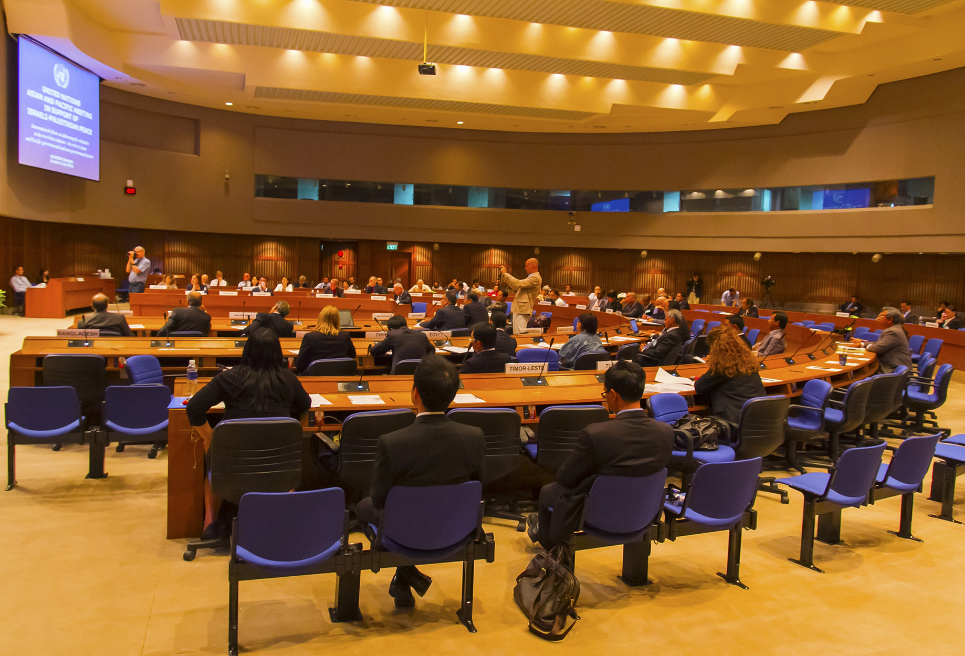
    Over 15,800 delegates flooded Sao Paulo’s Transamerica Expo Center last week for BiS SiGMA South America 2026, the hottest iGaming event in Latin America. 1xBet stole the show by winning Best Sportsbook Operator 2026 and unveiling a groundbreaking player safety study. Buzz around tech advances and market growth left everyone talking.

    The April 6 to 9 event drew a record 15,800 delegates, up from past years. More than 250 speakers shared insights on betting trends and rules.

    Brazil’s financial hub buzzed with energy. Panels covered ad rules, tax impacts, and casino shifts to online play. Sports stars like Rubens Barrichello kicked things off.

    Exhibitors packed the floor. Deals flowed as firms eyed Brazil’s boom.

    It focused on responsible gaming in fast-growing markets.

    1xBet Secures Top Sportsbook Award

    1xBet clinched the Best Sportsbook Operator 2026 at the SiGMA Awards. Simon Westbury, the firm’s Strategic Advisor, accepted the honor amid cheers.

    Judges praised 1xBet’s innovation and local fit. The platform shines on mobiles with easy payments for Latin users.

    Westbury called it a team win. His 18 years in iGaming helped guide the strategy.

    The booth drew crowds. Guests enjoyed drinks, games, and chats that sealed partnerships.

    Westbury Spotlights Player Safety Index

    Simon Westbury took the stage as keynote speaker. He revealed the International Player Safety Index for Latin America, a 1xBet-backed study by SBC Media.

    The report pulls views from operators and regulators. Latin America leads in AI use for player checks, with 34 percent of firms deploying it. That’s ahead of Europe and Africa.

    Real-time monitoring hits 69 percent here. Tools spot risks early.

    Player education fights the idea of betting as quick cash. Firms push fun over income.

    Key Index Highlights Latin America Stats
    AI for behavior tracking 34% operators
    Real-time activity watch 69% operators
    Focus on education tools High priority
    KYC verification standards Strong compliance

    Westbury stressed self-rules now to avoid tough laws later.

    Latin Market Booms with Tech Edge

    Brazil’s regulated betting hit about $7 billion in gross revenue last year. Growth projections top that for 2026.

    New rules demand solid KYC and safety steps. Operators adapt fast.

    1xBet’s affiliate arm, 1xPartners, thrives here. Over 500,000 partners in 150 countries use RevShare and CPA models.

    UFC fighter Carlos Prates, a 1xBet ambassador from Sao Paulo, visited the booth. He signed items and chatted responsibility.

    The firm sponsored the closing bash. Prates joined as guest star.

    AI tools personalize bets safely. They flag issues before harm hits.

    One paragraph here. Markets like Colombia and Peru follow Brazil’s lead.

    Operators gain from education shifts. Players learn limits early.

    Partnerships and Future Growth Beckon

    1xBet’s booth hosted prize draws. Day one gave premium gear. Day two featured a luxury bag.

    Networking sparked deals. Affiliates eyed tools for better conversions.

    The region tops charts for tech adoption and safety standards. This pulls global players.

    Brazil’s 213 million people fuel demand. Mobile bets dominate.

    Events like this build trust. Safer play means steady growth.

    The index shows promise. Early AI use sets a strong base.

    As rules tighten, leaders like 1xBet prepare. They mix global know-how with local needs.

    SiGMA South America 2026 proved Latin America’s star power. Excitement lingers as firms chase the next big wins.

    This event spotlights a market ready to explode, with safety first to protect players and boost fun. It touches everyday fans betting smarter from home phones.

  • Google Blocks 270 Million Gambling Ads in 2025 Crackdown

    Google Blocks 270 Million Gambling Ads in 2025 Crackdown

    Google revealed stunning numbers this week. The tech giant blocked or removed 270.7 million gambling and games ads last year. This move comes as world regulators push hard against illegal online betting that preys on users everywhere.

    Google’s latest Ads Safety Report lays out a huge effort. In 2025, the company stopped over 8.3 billion policy-breaking ads from ever showing up. That marks a sharp rise from past years.

    They also suspended 24.9 million advertiser accounts. Of those, 4 million tied to scams vanished too. Over 99 percent of violating ads got caught before users saw them. This proactive step keeps everyday people safe from tricks.

    The report covers a full year of work. Teams updated policies 35 times. They acted on web pages too, blocking or limiting over 480 million of them.

    AI Tools Power Up the Fight

    New tech drives most of this success. Google’s Gemini AI system scans billions of signals fast. It checks account age, user behavior, and ad patterns to spot trouble early.

    “Our teams have long used advanced AI to identify and stop scammers, and Gemini takes that work even further,” said Keerat Sharma, vice president and general manager of ads privacy and safety at Google. “Our models analyze hundreds of billions of signals to stop threats before they reach people.”

    Gemini cut wrong suspensions by 80 percent. It handled four times more user reports than before. This smart system spots intent behind sneaky ads, not just keywords.

    One big win shows in scam ads. Google axed 602 million linked to fraud. Users now face fewer risks when browsing or searching.

    Gambling Ads Hit Hard in Enforcement

    Gambling and games landed high on the violation list. The category took ninth place among banned ads with 270.7 million removals. It ranked third for restricted ads at 123.9 million.

    Publishers in this space caused 9.7 million page violations. That put them fifth by volume.

    Here is a quick look at the top 10 banned ad categories from the report:

    Rank Category Ads Blocked/Removed
    1 Abusing Ad Network 1.29 billion+
    2 Personalization Violations 755 million+
    3 Legal Requirements 646.7 million+
    4 Misrepresentation 421.5 million+
    5 Trademark 372.7 million+
    6 Dating and Companionship 354.2 million+
    7 Financial Services 327.8 million+
    8 Sexual Content 321 million+
    9 Gambling and Games 270.7 million+
    10 Copyright 229.4 million+

    These numbers show the scale. Illegal betting ops try hard to slip through, but Google fights back strong.

    Restricted ads get limits, not full bans. Online gambling tops that list after legal and financial ones. This setup lets legal ads run while curbing risks.

    Regulators Step Up Global Pressure

    World leaders watch closely. They demand more from tech firms like Google. In Brazil, the Ministry of Justice asked Google and Apple for details on unlicensed betting apps in stores.

    Google Ireland plans stricter rules by March 2026. Advertisers must prove certification or face cuts.

    Key actions around the world include:

    • India blocked 300 illegal sites in March 2026 under new gaming laws.
    • Dutch officials vow to ramp up fights against offshore betting.
    • US states in 28 areas add tough rules on micro-bets and sweeps casinos.
    • Turkey launched a nationwide sweep against illegal platforms.
    • Europe teams up to block rogue operators across borders.

    These steps aim to protect users from addiction and fraud. Black markets still thrive in places like Brazil, pushing for better oversight.

    Influencers on social media draw fire too. Southeast Asia eyes AI ads that promote bad bets.

    Safer Web Ahead for Everyone

    Google’s blocks mean fewer pop-ups tempting quick bets during games or searches. Families dodge scams that drain bank accounts overnight. Legal betting firms must play fair, building trust.

    This crackdown blends tech smarts with tough rules. It shields daily users from hidden dangers online. Yet challenges linger as bad actors adapt fast.

  • DATA.BET Shines Bright at BiS SiGMA South America 2026

    DATA.BET Shines Bright at BiS SiGMA South America 2026

    Sportsbook leader DATA.BET just wrapped a standout showing at BiS SiGMA South America 2026. The event drew a record 15,800 delegates to São Paulo. The company unveiled its full betting suite to eager LatAm operators hungry for Brazil’s regulated boom.

    This move signals DATA.BET’s bold leap from esports specialist to all-in sportsbook powerhouse. Crowds flocked to their bigger booth for demos of fresh tools. Stay tuned as we unpack the buzz.

    Record Crowds Pack São Paulo’s iGaming Powerhouse

    BiS SiGMA South America 2026 lit up the Transamerica Expo Center from April 6 to 9. Organizers called it a smash hit with 15,800 attendees, up from past years. Over 400 exhibitors and 250 speakers filled three stages with talks on rules, tech, and bets.

    The vibe pulsed with energy. Sports stars mingled, deals sparked, and Brazil’s new betting laws stole the show. This gathering cements São Paulo as LatAm’s betting hub. Operators from Brazil to Colombia swapped cards non-stop.

    The expo doubled its floor space for startups and affiliates.

    DATA.BET Steps Up with Bigger Booth Buzz

    DATA.BET grabbed booth E140 and made it pop. They went bigger than last time with cosplayers as League of Legends stars Jinx and Ahri. A kinetic screen added wow factor for demo after demo.

    Teams demoed the full sportsbook lineup. Visitors tested live odds and risk tools right there. Natalie Loshatynska, Head of PR and Marketing, nailed it: “We came back with a full sportsbook solution, strengthened for local clients.”

    Foot traffic stayed steady all four days. Operators eyed quick Brazil launches thanks to DATA.BET’s GLI certification. No more long waits for tech checks.

    New Features Steal the Show at DATA.BET Stand

    Attendees raved about the upgrades. DATA.BET rolled out tools built for speed and fun in LatAm markets.

    Here are standout additions:

    • One-Click Bet for instant wagers.
    • Early Payout to cash out wins fast.
    • Timeline Widget for esports action.
    • Refreshed stats like head-to-head and team data.

    Bet Builder now hits top leagues and niche ones like Brazil’s Série A. These tweaks boost player stickiness in a market craving edge.

    The booth felt alive. Demos flew on 50,000 monthly events across 63 pre-match and 38 live sports. Uptime hits 90 percent plus, with odds delays under one second.

    Feature Coverage Benefit for Operators
    Sports 100+ disciplines Full pre-match and live
    Esports Major leagues Timeline and stats widgets
    Virtual 24/7 action Steady revenue stream

    This table shows why DATA.BET fits Brazil’s growth spurt.

    LatAm Betting Boom Fuels DATA.BET Push

    Brazil’s rules opened a gold rush. Bets hit billions yearly, with esports exploding ahead of 2026 World Cup. DATA.BET targets casino brands jumping in.

    Operators love the plug-and-play setup. Risk management and odds feeds handle high volume. Local tweaks nod to Série A fans and Colombian leagues.

    DATA.BET’s eight years in the game position it perfect for this surge. Partners get scalable tech without headaches. The event sparked talks on expansions.

    Picture this: Brazil leads LatAm bets, pulling in neighbors. DATA.BET rides that wave with certified gear.

    As BiS SiGMA fades, its spark lingers. DATA.BET proved ready for Brazil’s bet party and beyond. This win boosts trust in fast markets. Operators gain tools to thrill users and cut risks. Fans score better bets on home leagues.

  • GAT Expo 2026 Fires Up Gaming Talks in Cartagena

    GAT Expo 2026 Fires Up Gaming Talks in Cartagena

    Gaming leaders from 45 countries packed a hall in Cartagena on March 24 to kick off GAT Expo 2026. Over 300 experts tackled tough political hurdles and fresh ideas for the industry’s growth. This opening Academia GAT session set a bold tone for the three-day event at Las Americas Convention Center.

    Evert Montero Cardenas, president of Fecoljuegos, fired up the crowd with his opening words. He leads the team behind Academia GAT and stressed teamwork between businesses and government. “The country expects the sector to keep pushing economic growth,” he said.

    The stage lit up with heavy hitters. Gregorio Eljach Pacheco, Colombia’s top prosecutor, shared plans for fair elections that just wrapped up. Marco Emilio Hincapie, head of Coljuegos, followed with a nod to steady sector gains. He pointed out billions in taxes funneled to health aid for the needy over three years.

    One short talk stood out. Attendees buzzed about the push for clear rules amid regional shifts.

    Regulation Lessons from Nevada Spark Debate

    Brian Krolicki, vice chair of Nevada’s Gaming Commission, dropped key insights on rules that work. His talk on Nevada’s model for Latin America grabbed attention. Experts say these ideas could steady the gaming world here amid admin roadblocks.

    A fireside chat with Krolicki and Rodrigo Afanador Carrasco of Zamba dug deeper. Panels rolled on with regulators like Jesus Mariano Acevedo from Argentina’s lottery board. Associations from Mexico, Peru, Argentina, Colombia, Ecuador, and Paraguay weighed in too.

    The room felt electric. Leaders called for better links between operators and governments.

    Innovation Panels Push Tech and Compliance Forward

    Tech took center stage next. A panel on tools for tracking and control featured voices from top providers. They shared ways to boost security and fair play in slots, online bets, and more.

    Online business got airtime too. Speakers from Betano, Zamba, Wplay, and Betsson talked smart investing and clean operations in Colombia. Innovation like AI and cyber defenses emerged as must-haves for staying ahead.

    Lunch fueled more chats. Then Daniel Velandia, top economist at Credicorp Capital, gave the big picture. His take on 2026 economies highlighted home spending and rate cuts as growth drivers. He warned of dollar swings and energy shifts hitting budgets.

    Key Economic Drivers for 2026 Impact on Gaming
    Steady household consumption Boosts bets and visits
    Remittances from abroad Adds spending power
    Lower interest rates Eases business loans
    Energy transition costs Cuts state revenues

    Sports Integrity and Land-Based Future Close Strong

    Afternoon panels hit sports bets hard. Dimayor president Carlos Zuluaga and others stressed stopping match fixes. BetPlay’s German Segura led the talk on clean games.

    Land-based ops wrapped it. GLI’s Georges Didier Flores, Cornazar’s John Mario Giraldo, and Novomatic’s Manuel Del Sol shared operator tips. They focused on real-world slots, tables, and casino setups thriving despite online rivals.

    Sunset brought relief. Over 300 folks boarded the catamaran Bona Vida for bay views and deals. Jose Anibal Aguirre, GAT Events CEO, called it a record crowd. Sessions ran late as talks flowed.

    GAT Expo 2026 proves the gaming world hungers for real fixes and fresh paths forward. From regulatory tweaks to tech leaps, leaders left fired up to grow responsibly. Colombia’s sector stands tall, feeding jobs and taxes that touch everyday lives.

  • MLB Polymarket Deal Sparks Prediction Market Frenzy

    MLB Polymarket Deal Sparks Prediction Market Frenzy

    Major League Baseball just leaped into the exploding world of prediction markets with a blockbuster multi-year pact naming Polymarket its exclusive partner. This move pairs with a key federal oversight deal to guard the game’s purity as fans gear up for new ways to bet on every pitch and play. Expect baseball excitement to hit new heights this season.

    MLB announced the deal on March 19, right before the 2026 season kicks off. Polymarket now holds sole rights as the league’s official prediction market exchange. Fans can trade on game outcomes using the platform’s yes-or-no contracts.

    The agreement hands Polymarket full access to MLB logos, team marks, and official data from Sportradar. This data feeds straight into markets for quick, accurate payouts. Polymarket also scores prime digital spots during broadcasts and at ballpark events.

    League leaders stress this partnership blends fan fun with tight rules. They plan to block risky bets right away. One big win: Polymarket updates its US rulebook to enforce these standards across all brokers.

    CFTC MOU Locks in Strong Integrity Safeguards

    MLB Commissioner Rob Manfred signed a memorandum of understanding with CFTC Chairman Michael S. Selig on the same day. This first-ever pact between a major US sports league and the federal watchdog sets up info sharing on threats.

    Both sides keep details confidential. They hold regular meetings to spot issues fast. Manfred called it a “critical step” after MLB urged the CFTC last year for better protections.

    The focus hits markets prone to fixes. Think bets on single plays that one person could sway.

    Here are key restricted markets to protect the game:

    • Individual pitches or strike calls
    • Manager lineup choices
    • Umpire rulings on close plays

    MLB eyes similar ties with other platforms offering baseball contracts.

    Prediction Markets Boom Why MLB Joins the Rush

    Prediction markets let users buy shares in event outcomes. Right bets pay $1; wrong ones flop to zero. No house edge like casinos. Platforms run on blockchain with crypto like USDC for quick trades.

    Volumes skyrocketed last year. Trading hit $64 billion in 2025, up fourfold from 2023, per industry reports. Sports drive much of the surge. MLB’s World Series 2026 winner market alone pulled $6.3 million since January.

    Polymarket leads the pack with deals alongside NHL, MLS, and UFC. This MLB tie cements prediction markets as sports business staples. Federal CFTC rules beat state-by-state betting headaches, Manfred noted.

    Feature Prediction Markets Traditional Sports Betting
    Oversight Federal CFTC State licenses
    Payouts Yes/No contracts Odds-based wins
    Trading Buy/sell anytime Place bet, wait
    Data Use Official feeds Varies by book
    Growth $64B in 2025 $10B+ US handle yearly

    How Fans Win and Risks Stay in Check

    Baseball superfans get fresh thrills. Trade on division champs or Cy Young races mid-season. Official data cuts disputes. Polymarket CEO Shayne Coplan said it pulls fans “closer to the moments.”

    Yet MLB faces pushback amid pitcher betting scandals. The league banned player use of these platforms last summer. Now they dive in with eyes wide open.

    Integrity tops everything, Manfred insists. CFTC guidance flags multi-player bets as safer. States probe rivals like Kalshi, but MLB bets on federal paths.

    This setup lets everyday fans join without offshore hassles. Picture trading Yankees-Yankees odds from your phone during a rain delay. It amps rivalries and sharpens game watches.

    As baseball eyes 162-game grinds, prediction tools could boost attendance and TV buzz. Leagues holding out like NFL watch closely.

    MLB’s bold swing into prediction markets promises electric fan ties while federal backups shield the diamond’s honor. It blends timeless crack-of-the-bat joy with modern edge, but only if cheats stay sidelined.

  • New York Sues Valve Over Loot Box Gambling

    New York Sues Valve Over Loot Box Gambling

    New York has launched a bold attack on video game giant Valve, claiming its popular loot boxes turn fun into illegal gambling that hooks kids. Attorney General Letitia James filed the suit on Wednesday, targeting features in hit games that let players spend real cash for random virtual prizes. This move could shake up the gaming world and protect young players from addiction.

    The complaint hits hard right from the start. It says Valve’s loot boxes in games like Counter-Strike 2, Team Fortress 2, and Dota 2 break New York’s rules on gambling. Players buy keys with real money to open these virtual boxes, hoping to snag rare items like weapon skins or character hats. These items can then sell for actual cash on Valve’s Steam Marketplace, turning chance-based buys into a form of betting.

    James points out that the system works just like a slot machine. In Counter-Strike 2, for example, a spinning wheel shows possible rewards before landing on one at random. Valve sets the odds to make some prizes super rare, which drives up their value and keeps players coming back. The state says this setup violates the constitution and penal laws because it involves paying for a shot at something valuable based on luck alone.

    One key fact stands out. The market for Counter-Strike skins topped $4.3 billion back in March 2025, according to data from market trackers at that time. A single skin even sold for over $1 million in June 2024, showing how big this virtual economy has grown.

    This is not the first time loot boxes have faced heat. In January 2025, the Federal Trade Commission fined game maker HoYoverse $20 million for misleading players about odds in their loot systems and for selling to kids without parent okay.

    How Loot Boxes Hook Young Players

    Kids and teens make up a huge part of the player base, and that’s a big worry in the suit. Valve’s features prey on young users who chase status in online worlds but lack the cash to spend wisely. The complaint notes that early exposure to gambling raises the risk of addiction later in life.

    Research from the Massachusetts Department of Public Health backs this up. Their study, done in recent years, found that kids who start gambling by age 12 are four times more likely to face problems as adults. James argues that loot boxes fill that gap, pulling in minors with exciting animations and the thrill of a win.

    Parents often report kids spending allowance money or even dipping into savings for these keys. The games are free to download, which lowers the barrier, but the in-app buys add up fast. One paragraph in the filing describes how teens trade or sell items to feel cool among friends, creating a cycle that’s hard to break.

    Beyond addiction, there’s a darker side. These games often show violence, like shooting in Counter-Strike, which the suit links to numbing kids to real-world dangers. Experts say this mix of gambling and guns could fuel issues like youth violence.

    Valve’s Role in the Virtual Marketplace

    Valve does more than just make the games. The company runs the Steam platform, where players trade items for Steam Wallet funds that can turn into real money. This resale option is what makes the loot boxes cross into gambling territory, the lawsuit argues.

    Users can cash out by buying hardware like a Steam Deck and reselling it, or using third-party sites that Valve knows about but doesn’t fully block. The complaint includes details from investigators who tested this process, showing how easy it is to convert virtual wins to cash.

    Valve has dealt with theft too. Hundreds of thousands of players have reported hacked accounts or scams over these valuable items. In one subheading, the filing lists ways thieves trick users, from fake trades to malware, highlighting the risks Valve’s system creates.

    To break it down, here’s a simple table of how the loot box process works:

    Step What Happens Real-World Tie
    1. Buy Key Player pays $2.50 in real money for a key. Direct cash outlay.
    2. Open Box Random item drops, odds set by Valve. Chance-based like a bet.
    3. Sell Item Trade on Steam Market for wallet funds. Converts to spendable value.
    4. Cash Out Use funds for games or resell hardware. Turns virtual to real money.

    This setup has raked in billions for Valve over the years, with no clear limits on spending.

    Broader Push to Curb Online Gambling

    James has made protecting kids from online harms a top priority. This suit fits into her bigger fight against addictive tech. She has sued social media giants like Meta and TikTok for hurting teen mental health and pushed for laws like the Kids Online Safety Act.

    The gaming industry has seen similar cracks before. In 2016, parents sued over loot boxes but lost. Washington state warned Valve years ago but never followed through. Now, New York aims to set a new standard, seeking to end the loot box features, force Valve to give back profits, and hit them with fines up to three times the gains.

    What does this mean for everyday gamers? If the suit wins, popular titles might lose their exciting random rewards, changing how free-to-play games make money. Developers could shift to other models, like direct sales, which might make games fairer but less thrilling.

    Experts predict this could spark more states to act, especially with growing worries about youth gambling. A report from the American Gaming Association in 2025 showed online betting rising fast among under-18s, adding urgency.

    As the case unfolds in New York Supreme Court, all eyes are on how it affects the $200 billion gaming market. Valve has stayed quiet so far, but pressure is building.

    This lawsuit marks a turning point in the battle over video games and gambling, shining a light on hidden risks that touch millions of families. It reminds us how digital fun can slip into real harm, especially for the young. New York’s stand could save kids from addiction and push the industry toward safer play.

  • FDJ United 2025 Profit Drops 56% on Tax Hikes

    FDJ United 2025 Profit Drops 56% on Tax Hikes

    French lottery giant FDJ United faced a tough year in 2025, with net income plunging 56 percent to 176 million euros due to steep tax increases and stricter rules on online gaming. This sharp drop highlights the growing pressures on Europe’s gaming sector, but the company holds firm on its core strengths and eyes a rebound. Investors watch closely as leadership shifts aim to steer through the storm.

    FDJ United released its 2025 earnings on February 19, 2026, painting a picture of resilience mixed with headwinds. Gross gaming revenue rose a modest one percent to 8.7 billion euros on a restated basis compared to the prior year. Yet, overall revenue slipped three percent to 3.7 billion euros, squeezed by rising costs from new taxes.

    Recurring EBITDA held steady at 902 million euros, delivering a solid margin of 24.5 percent. The reported net income fell dramatically to 176 million euros, down from 398.8 million euros in 2024. Adjusted net income dipped just 0.3 percent to 487 million euros, showing underlying operations remained robust despite the hits.

    The board moved to reward shareholders with a proposed dividend of 2.10 euros per share, a slight bump from 2.05 euros last year. This payout reflects an 80 percent ratio of adjusted net income, signaling confidence in future cash flows. Free cash flow hit a record 782 million euros, with an 87 percent conversion rate from EBITDA.

    One key metric stands out. Net financial debt dropped by 100 million euros to 1.72 billion euros, thanks to strong cash generation even amid acquisition costs from the Kindred deal.

    Tax Increases and Regulations Weigh Heavy

    Higher taxes emerged as the main culprit behind the profit drop. In France, gaming taxes jumped starting July 1, 2025, adding over 50 million euros in extra levies across the year. Similar hikes hit in the Netherlands from January 1 and Romania from August 1, pushing the group’s total tax bill to 130 million euros.

    Public levies now eat up 59.9 percent of gross gaming revenue, up from 58.5 percent in 2024. An added 15 percent tax on advertising and promotion expenses kicked in July 2025, costing more than five million euros. Plus, an exceptional tax on profits added 26.7 million euros to the burden.

    These changes cut net gaming revenue by 2.7 percent, directly fueling the revenue decline. Tighter regulations, especially on online betting, added to the strain. In the Netherlands, rules curbed promotional activities, slowing growth in that market.

    The online betting and gaming unit, which includes the newly integrated Kindred, saw gross gaming revenue fall 8.1 percent. Revenue there dropped 11.8 percent to 908 million euros after a 23.2 million euro tax impact. Active players grew over 10 percent, a bright spot showing customer engagement holds strong.

    Cost controls helped offset some pain. The company kept recurring EBITDA margins stable through smart spending and efficiency gains. Still, the net financial expense rose to 63.5 million euros from a gain of 5.3 million euros in 2024, tied to debt from buying Kindred.

    Leadership Changes Signal Fresh Direction

    FDJ United announced key shifts in its executive team on the same day as the earnings release. Nils Andén, who joined as chief online betting and gaming officer in October 2024, will leave the company for new projects. He led the swift integration of Kindred, wrapping it up a full year ahead of schedule.

    Pascal Chaffard steps in as the new chief online betting and gaming officer, also taking on group strategy and operational transformation roles. Chaffard, formerly the chief financial officer, brings deep experience in finance and performance to tackle the online challenges head-on.

    Celia Verot, who came on board in 2024 as chief regulatory officer, now becomes general secretary, general counsel, and chief regulatory officer for the group starting January 1. The search for a new CFO continues, with an announcement expected soon.

    These moves come as FDJ United reorganizes its online unit. The business will merge Kindred’s activities with competitive online operations in France. This includes blending finance and legal teams, plus combining Parions Sport en ligne and Unibet France for better efficiency.

    The integration of Kindred has already borne fruit. Milestones like separating player accounts in France by February 2025 and merging accounts by June helped streamline operations. New platform rollouts in the UK and Romania, along with brand launches like 32Red in Romania and Otto Casino in Sweden, boosted capabilities.

    Marketing automation and AI-driven customer service optimizations are underway, aiming to cut costs and lift player satisfaction. Recurring EBITDA for the online unit came in at 182 million euros, with a 20 percent margin, down from 28.5 percent but still healthy.

    Path to Recovery Looks Promising for 2026

    Looking ahead, FDJ United expects slight revenue growth in 2026, with recurring EBITDA margins steady at 24.5 percent. Gross gaming revenue should climb, but additional taxes totaling 90 million euros will offset gains. This includes new hikes in the UK from April 1 and more in the Netherlands from January 1, plus calendar effects from 2025 changes.

    The company plans measures to counter about 100 million euros in costs, focusing on operational tweaks. Net financial debt aims to shrink another 100 million euros, bringing the leverage ratio below 1.9 times.

    Over the medium term, from 2026 to 2028, revenue growth targets five percent annually on a constant tax basis. Recurring EBITDA margins should top 26 percent by 2028. The performance plan now eyes over 150 million euros in cumulative gains by 2028, up from a prior 120 million euro goal.

    More than half of those gains will come from the online betting and gaming unit, with about 40 percent from the French lottery and retail sports betting side. EBITDA to cash conversion stays above 80 percent, capex at four to five percent of revenue, and dividends grow at least at a 75 percent payout ratio of adjusted net profit.

    Chairwoman and CEO Stéphane Pallez captured the mood. She said the group showed model strength and kept transforming amid tax rises and tight rules. With a beefed-up plan and new online setup, FDJ United will boost efficiency and return to profitable, sustainable growth by 2026.

    Here is a quick look at the key financial figures in a table for clarity:

    Metric 2025 Amount (euros) Change from 2024
    Gross Gaming Revenue 8.7 billion +1%
    Revenue 3.7 billion -3%
    Recurring EBITDA 902 million -6.5%
    Reported Net Income 176 million -56%
    Adjusted Net Income 487 million -0.3%

    FDJ United’s story in 2025 serves as a wake-up call for the gaming world, where taxes and rules can flip profits overnight, yet it also sparks hope with smart moves and steady dividends that keep investors on board. As this French powerhouse navigates choppy waters, it reminds us how vital adaptation is in a regulated industry that touches millions of lives through entertainment and chance.

  • Tribal Leaders Sound Alarm: Prediction Markets Threaten Indian Gaming Survival

    Tribal Leaders Sound Alarm: Prediction Markets Threaten Indian Gaming Survival

    Tribal leaders stormed Capitol Hill Tuesday with a blunt warning: new sports event contracts traded on prediction markets could wipe out billions in revenue that funds essential government services on Native American reservations across the country.

    The Indian Gaming Association delivered that message during a packed congressional briefing in the Senate Committee on Indian Affairs room, calling the fast-growing financial products the single largest danger to tribal gaming since Congress passed the Indian Gaming Regulatory Act in 1988.

    These contracts let people bet on the outcome of real sporting events such as “Will the Kansas City Chiefs beat the spread against the Buffalo Bills next Sunday?” through platforms regulated by the Commodity Futures Trading Commission instead of state gaming commissions.

    Two companies, Kalshi and PredictIt, already list dozens of these contracts. Tribal leaders say they are nothing more than illegal sports bets dressed up as futures contracts to dodge federal and state gambling laws.

    Ernie Stevens Jr., chairman of the National Indian Gaming Association, told lawmakers the products directly compete with legal sportsbooks operated by tribes in 28 states. He warned that money flowing to Wall Street platforms will starve tribal health clinics, schools, and housing programs.

    The Money at Stake Runs into Billions

    Indian gaming generated $41.9 billion in revenue last year, according to the National Indian Gaming Commission. Much of that money replaces missing federal funding on reservations.

    • California tribes alone sent more than $1 billion to state and local programs through revenue-sharing deals
    • Oklahoma tribes fund 12,000 jobs and pay hundreds of millions in exclusive fees to the state
    • Connecticut’s two tribal casinos contribute 25% of slot revenue straight to state coffers

    If bettors shift even ten percent of their action from tribal sportsbooks to unregulated prediction markets, tribes could lose hundreds of millions every year.

    How the CFTC Became the Surprise Battleground

    The fight exploded last year when the CFTC approved Kalshi to offer election contracts and later sports contracts. A federal appeals court overturned an earlier block, opening the door wide.

    Tribal leaders argue the commission overstepped its authority. The Commodity Exchange Act clearly bans wagering on elections and sporting events. They say the CFTC simply re-labeled gambling as “hedging” to justify the move.

    Mark Macarro, chairman of the Pechanga Band of Luiseño Indians, put it plainly: “This is not hedging corn prices or oil futures. This is people betting on the Super Bowl with no guardrails and no revenue coming back to states or tribes.”

    Lawmakers Promise Action, But Clock Is Ticking

    Several members of Congress attended the briefing and left visibly concerned. Senator Maria Cantwell of Washington and Senator Tina Smith of Minnesota both pledged to look for legislative fixes before the markets grow larger.

    Industry sources say Kalshi already has contracts worth tens of millions of dollars trading daily, and more platforms wait in the wings.

    A growing coalition now pushes for a simple solution: Congress must close the loophole by banning event contracts on sports and elections once and for all.

    Issue Tribal Sportsbooks Prediction Market Contracts
    Regulated by State gaming commissions CFTC
    Revenue sharing Yes – funds tribal & state programs No
    Age verification Strict 21+ with ID checks Often weaker
    Problem gambling tools Mandatory limits and self-exclusion Limited or none
    Tax revenue for states Hundreds of millions yearly Zero

    The contrast could not be clearer.

    The tribal gaming industry has spent 35 years building a tightly regulated system that lifted many Native communities out of poverty. Leaders say they will fight with everything they have to protect it.

    As Chairman Stevens closed the briefing, his voice carried the weight of generations: “We have survived termination, relocation, and broken treaties. We will not let Wall Street take away the one economic engine Congress promised would always belong to tribal nations.”

  • Brazil Senate Advances Gambling Ad Ban Bill

    Brazil Senate Advances Gambling Ad Ban Bill

    Brazil’s Senate just took a bold step to slam the brakes on the booming betting industry. A key committee approved a bill that would ban all gambling ads nationwide, sparking fierce debate over addiction risks and economic fallout. This move could reshape the $5 billion market just as it explodes.

    The Senate Science and Technology Committee voted this week to advance the bill. It tweaks Brazil’s 2023 Sports Betting Law to outlaw ads for sports bets and online games. Lawmakers also aim to block promotions on election betting.

    The proposal heads next to the Constitution, Justice, and Citizenship Committee. If it passes there, it moves to the full Senate floor. Backers say the ban protects vulnerable people from aggressive marketing.

    One lawmaker noted the speed of the industry’s growth alarms many. Brazil legalized regulated betting in late 2023, and ads flooded TVs and social media right away.

    What the Bill Would Block in Detail

    The ban targets every corner of advertising. No more gambling spots on radio, TV, print papers, magazines, or social platforms. Sponsorship deals with sports teams and events would vanish too.

    Sponsors of the bill want to stop betting firms from using stars and athletes to lure fans. They point to cases where young people got hooked after seeing flashy ads during soccer matches.

    A possible tweak lets Olympic sports clubs keep sponsorships. This nods to elite athletes who rely on such funds.

    Election betting ads face the same axe. Officials fear they could sway voters or spread false info.

    Betting Boom Fuels Push for Controls

    Brazil’s online betting market skyrocketed after new rules kicked in last year. Over 20 million people now place bets weekly. Revenue hit $3.2 billion in 2023, with forecasts for $5.5 billion this year, per industry trackers like iGaming Business.

    Year Market Revenue (USD Billion) Active Bettors (Millions)
    2023 3.2 18
    2024 5.5 (projected) 25+
    2025 8.0 (projected) 30+

    Experts from the University of Sao Paulo studied ad impacts last fall. They found 40 percent of teens saw betting ads daily, linking it to higher risk of problem gambling.

    The government issued over 1,000 betting licenses since December 2023. But complaints about addiction surged 25 percent, reports from the Health Ministry show.

    Industry Fights Back Amid Social Concerns

    Betting companies warn the ad ban could kill jobs and tax cash. Brazil expects $500 million in taxes from bets this year alone. Firms like Bet365 and Betano say bans hurt legal operators while black market thrives.

    Lawmakers counter that unchecked ads fuel addiction. Brazil’s Gambling Awareness group logged 500,000 calls for help in 2023, up from prior years. They blame nonstop ads during big games like the World Cup qualifiers.

    Other nations offer lessons. The UK curbed ads in 2020, cutting youth exposure by 30 percent, per government data. Italy and Spain followed with full bans on TV spots during live sports.

    Stakeholders plan talks soon. Betting lobby groups push for time limits on ads instead of a total ban. They argue education works better.

    Consumer groups cheer the bill. They share stories of families ruined by debts from easy apps. One mom from Rio lost her home after her son bet away savings.

    Regulators eye more fixes. A separate bill caps bets and adds age checks. Together, these could steady the wild west of Brazilian betting.

    As the bill progresses, everyday Brazilians watch closely. Soccer fans see team shirts stripped of betting logos. Parents hope kids dodge the ad blitz.

    This fight tests Brazil’s balance between growth and safeguards. Lawmakers must weigh fat profits against real pain from lost bets. A ban could shield millions but crimp a key new revenue stream. The coming months will decide if Brazil joins global leaders in taming the betting beast.

  • N1 Partners Targets Deals at SiGMA Eurasia Dubai

    N1 Partners Targets Deals at SiGMA Eurasia Dubai

    N1 Partners is set to make waves at SiGMA Eurasia in Dubai, a top iGaming conference drawing thousands of players from February 9 to 11. The affiliate team heads there right after their hit N1 Puzzle Promo in Barcelona, ready to pitch multi-brand deals and eye growth in over 10 top markets. Expect big talks on partnerships that could shape 2026 strategies.

    Dubai World Trade Centre buzzes as SiGMA Eurasia kicks off. This event pulls in operators, affiliates, and bosses from the iGaming world. N1 Partners jumps in with full force.

    The team arrives fresh from success. Their recent Barcelona promo drew crowds and sparked buzz.

    One key goal stands out. N1 Partners aims to showcase its portfolio and lock in new cooperation models.

    Attendees get a first look at plans ahead.

    What N1 Offers at the Conference

    N1 Partners brings a strong lineup. They manage brands that thrive in high-stakes markets. Talks focus on expansion and shared wins.

    The affiliate squad meets partners one-on-one. Discussions cover revenue shares, CPA models, and hybrid setups. These fit operators seeking steady growth.

    Early peeks into 2026 priorities draw real interest. Product tweaks and market pushes top the list.

    SiGMA Eurasia fits perfect. It links players across Eurasia and beyond. Past events sealed deals worth millions.

    Visitors expect lively booths and side meets. N1 plans demos of tools that boost conversions.

    SiGMA Eurasia’s Pull in the iGaming Scene

    This conference grows fast. Last year, over 15,000 pros showed up. Dubai’s spot adds shine with its business vibe.

    Sessions tackle regs, tech shifts, and player trends. Speakers from big firms share data. A 2024 study by H2 Gambling Capital notes iGaming revenue hit $95 billion globally. Growth eyes 107 billion by 2026.

    N1 Partners taps this wave. Their Tier-1 focus hits spots like Canada and Australia. These markets pull top spenders.

    The event flows smooth over three days. Day one dives into networks. Day two hits payments and compliance.

    Expansion Plays and Market Wins

    N1 eyes more Tier-1 doors. Think regulated hubs with loyal players. Success stories fuel the push.

    After Barcelona, momentum builds. The N1 Puzzle Promo handed out prizes and hooked partners.

    Here are key cooperation options N1 pitches:

    • Revenue share up to 50% on net gaming.
    • CPA deals with bonuses for volume.
    • Hybrid models blending both for max gains.

    These draw operators hungry for affiliates.

    Market Type N1 Presence Growth Projection (2025-2026)
    Tier-1 Strong 15-20% rise
    Emerging Building 25%+ surge
    Regulated Expanding Steady 12%

    Data from company insights shows real traction. Partners report 30% jumps in player sign-ups last year.

    Ties to Past Wins Shape Future Path

    Barcelona set the tone. The promo mixed fun with business. Affiliates left with tools and leads.

    Now Dubai builds on that. N1 Partners sets SiGMA as a launchpad for 2026 roadmaps.

    Industry faces heads like AI tools and crypto pays. N1 adapts quick.

    Pros see chance to team up. Shared insights cut risks.

    One short note. Events like this spark fast alliances.

    N1 Partners attendance fires up the iGaming crowd. Deals from Dubai could boost careers and wallets for many. This push promises fresh paths in a booming field, blending past triumphs with bold steps ahead. Excitement runs high as partnerships form under Dubai lights.