Category: News

  • New York Risks $230M Yearly Hit from Sweepstakes Ban

    New York Risks $230M Yearly Hit from Sweepstakes Ban

    New York stands to lose a staggering $230 million each year if it bans sweepstakes games, according to a fresh warning from a key gaming group. This claim shakes up the debate on online gaming rules, as lawmakers push for a crackdown. What could this mean for jobs, taxes, and players? Dive in for the full picture.

    The Social Gaming Leadership Alliance, a group pushing for fair play in social games, dropped a bombshell this week. They say a full ban on sweepstakes could drain New York’s economy by $230 million annually. This figure comes from new economic models that look at lost taxes and business hits.

    Banning these games might seem like a quick fix, but it could backfire big time on state funds. The alliance points out that sweepstakes bring in real cash through related activities, like ads and player spending. Without them, that money vanishes.

    Their report, based on data crunched in 2025, shows how these games support small businesses and tech jobs. Think about corner stores or app developers who rely on this sector. A ban could force layoffs and slow growth in an already tough economy.

    One key stat stands out. The group surveyed folks nationwide and found 84% want regulation, not a total shutdown. This pushes back against hardline bans, suggesting a middle ground.

    Breaking Down the Economic Fallout

    If the ban goes through, New York could see ripple effects across industries. Taxes from gaming-related sales and services make up a chunk of that $230 million loss. That’s money that funds schools, roads, and public services.

    Experts in the report warn of job cuts too. Sweepstakes platforms employ thousands, from coders to customer support staff. Lose those, and unemployment lines grow longer.

    Here’s a quick look at potential impacts:

    • Tax Revenue Drop: Up to $230 million gone yearly, hitting state budgets hard.
    • Job Losses: Estimates suggest hundreds of positions at risk in tech and retail.
    • Business Shifts: Companies might move to friendlier states, taking their economic boost with them.

    Regulating instead could flip the script. The alliance claims it might add $80 million more in revenue through fees and oversight. That’s a win for everyone, keeping games safe while filling state coffers.

    This isn’t just numbers on a page. Families depending on these jobs could face real hardship. In a state still bouncing back from economic dips, every dollar counts.

    How the Ban Gained Steam in Albany

    Lawmakers in New York didn’t wake up one day and decide to ban sweepstakes. It started in March 2025 when Senator Joseph Addabbo introduced Bill S5935. The goal? Clamp down on what some call unregulated gambling disguised as free games.

    By June, both the Senate and Assembly passed it with strong support. They argued these dual-currency games skirt gambling laws, luring players with prizes but risking addiction.

    The bill moved fast through committees, getting unanimous nods in some spots. Supporters say it’s about protecting consumers from shady operators. Critics, like the gaming alliance, call it overreach that ignores economic realities.

    Flash back to earlier pushes. Similar bills popped up in places like California, where Governor Gavin Newsom signed a ban despite warnings of a $1 billion hit. New York’s move mirrors that, but with its own massive economy on the line.

    One lawmaker noted during debates that illegal gaming already costs states billions. Yet, banning legal alternatives might drive more underground activity, not less.

    Weighing Alternatives to a Total Ban

    So, what’s the fix if a ban hurts too much? The gaming coalition pushes for smart rules over outright prohibition. They suggest licensing systems that ensure fair play and generate taxes.

    Regulation could turn a potential loss into a gain, adding $80 million in new revenue. This approach has worked in other states with online gaming. It keeps the fun while cutting risks.

    Players benefit too. Clear rules mean safer games, with limits on spending and age checks. That addresses concerns about addiction without killing the industry.

    Looking ahead, the alliance wants talks with officials. Their survey shows public support for this path. Will New York listen, or stick to the ban?

    In the end, this debate boils down to balance. Protect people, yes, but don’t gut the economy in the process.

    New York’s potential $230 million annual loss from a sweepstakes ban highlights the tough choices in gaming policy, where protecting players clashes with economic needs. As debates rage on, it’s clear that smart regulation might offer a better way forward, saving jobs and boosting funds.

  • Stake Poker Levels Up with UFC Partnership and New Thrills

    Stake Poker Levels Up with UFC Partnership and New Thrills

    Stake Poker just dropped a game-changing update that’s blending the rush of online cards with UFC’s knockout energy, featuring champ Alex Pereira and fresh modes like PLO6 and All-In or Fold. With a massive $1 million Bad Beat Jackpot already paying out big, players are buzzing. What’s next for this high-stakes fusion? Dive in to find out how it’s reshaping poker.

    Stake Poker has rolled out PLO6 tables, building on the hit PLO5 format that drew crowds earlier this year. This new variant adds an extra card to the mix, ramping up strategy and big-pot potential for players who love Omaha-style action.

    In PLO6, you get six hole cards instead of four, opening doors to wilder hands and tougher decisions. Stake launched this mode in late 2025, aiming to keep things exciting amid growing demand for varied poker options. Fans say it brings more thrill without overcomplicating the basics.

    The All-In or Fold mode is another standout, where your only choices are to go all-in or bail right away. It’s perfect for quick sessions and high-adrenaline plays.

    This setup has sparked interest because it cuts out slow grinding, letting players chase jackpots fast. One recent highlight: a $500,000 prize pool tied to hitting straight or royal flushes in All-In or Fold games.

    Massive Jackpots Fuel the Excitement

    Bad beats hurt, but Stake’s $1 million Bad Beat Jackpot turns them into wins. If your strong hand like AAAJJ or better gets crushed in Hold’em, you split the pot with others at the table.

    The jackpot has already dished out over $600,000 in just three months since its June 2025 launch. That’s real money changing hands, with winners sharing stories of epic comebacks.

    For Omaha fans, the rules require quads or better beaten by even stronger quads. It’s designed to reward those brutal moments that every poker player dreads.

    Players must use both hole cards, and the hand has to reach showdown. This keeps things fair and focused on genuine bad luck.

    Stake reports these jackpots are hitting more often as traffic grows, with one recent payout turning a losing session into a windfall.

    UFC Star Alex Pereira Powers the Campaign

    UFC double world champion Alex Pereira is now Stake’s ambassador, starring in a campaign that ties poker to fight-night vibes. Known as “Poatan,” he’s promoting bets on UFC events alongside poker action.

    This partnership kicked off in 2025, with Pereira hyping Stake’s UFC betting options. Fans can back fighters like him and score double winnings on select props, such as round-one finishes. It’s a smart move to draw MMA lovers into poker.

    Pereira’s rise from kickboxing to UFC glory mirrors the underdog spirit in poker. His involvement includes exclusive promos, like bonuses for new sign-ups during big fights.

    The tie-in has boosted visibility, with social media buzzing about how poker and UFC share that all-or-nothing intensity.

    Stake’s UFC sponsorship goes beyond one star, offering live odds on major cards and integrating poker challenges during events.

    Innovation Drives Stake’s Hot Streak

    Stake Poker isn’t stopping at new modes; it’s expanding with features like daily freerolls and rakeback deals. A bonus code like SMPBONUS unlocks extra perks, including $1,500 in tournament entries.

    The platform’s crypto-friendly setup lets players deposit with Bitcoin or Ethereum for fast, secure action. This appeals to a global crowd, especially in regions where traditional banking lags.

    Recent data from poker tracking sites shows Stake’s traffic spiking 30% since these launches, based on 2025 user reports. That’s a clear sign the innovations are working.

    Here’s a quick breakdown of the new jackpots:

    • All-In or Fold Jackpot: $500,000 pool for straight or royal flushes at showdown.
    • Bad Beat Jackpot: $1 million for qualifying beaten hands in Hold’em and Omaha.
    • Payout Split: Winner gets 50%, loser 30%, table shares the rest.

    These elements make Stake a go-to for players seeking more than standard games.

    Stake also ensures fair play with provably fair tech, letting users verify outcomes. This builds trust in an industry often hit with skepticism.

    As online poker evolves, Stake’s blend of tech and entertainment sets a new bar. Competitors are watching closely, with some already teasing similar updates.

    Stake Poker’s bold moves with UFC ties, innovative modes like PLO6 and All-In or Fold, and jaw-dropping jackpots are redefining online gaming, bringing fresh energy that could hook a new generation of players. It’s a reminder that in poker, as in fighting, the right strategy can lead to massive payoffs, leaving us all inspired by the thrill of the chase.

  • Bryce Yockey Grabs Lead in 2025 PokerGO PLO Points Race

    Bryce Yockey Grabs Lead in 2025 PokerGO PLO Points Race

    Bryce Yockey just powered his way to the top of the 2025 PokerGO Tour Pot-Limit Omaha Series II points race with a stunning second win. This poker pro turned heads by claiming event no. 9 and boosting his total earnings to over half a million dollars. But can he hold on through the big finale? Stick around to see how his hot streak shakes up the competition.

    Bryce Yockey, a two-time World Series of Poker bracelet winner, has been on fire at the 2025 PokerGO Tour Pot-Limit Omaha Series II. He clinched his second title in just three days, topping 65 players in event no. 9, a $15,000 buy-in tournament. That win alone netted him $290,000 and shot him to the lead in the points race.

    His momentum started earlier with a victory in event no. 6, where he outlasted 88 entrants in a $10,000 buy-in event. That triumph added $237,600 to his bankroll. Yockey also grabbed a 12th-place finish in event no. 2, a $5,000 quattro bounty tournament with 133 players, padding his series cashes.

    All together, Yockey has racked up $537,600 in earnings from the series so far. This surge highlights his skill in pot-limit Omaha, a game that demands sharp strategy and quick decisions.

    Poker fans love these kinds of runs. They show how one player can dominate a festival and change the narrative overnight.

    Points Race Heats Up Heading Into Finale

    With his latest win, Yockey earned 232 PokerGO Tour points, pushing his series total to 487. That gives him a slim 32-point edge over Sean Winter, who sits in second place. The race remains tight as the series heads into its $25,000 buy-in championship event.

    This lead positions Yockey well for potential bonuses and recognition. The PokerGO Tour rewards top performers, and finishing first could mean extra perks beyond the cash.

    Here’s a quick look at how the points add up for Yockey:

    • Event no. 6 win: Major points boost from beating a strong field.
    • Event no. 9 win: 232 points that sealed his current lead.
    • Event no. 2 cash: Added depth to his overall score.

    Experts say consistency like this often decides who claims the series crown. Yockey’s ability to cash multiple times sets him apart in a field full of pros.

    The finale could swing things. If Winter or another contender wins big, the leaderboard might flip. Fans are buzzing about the drama ahead.

    Boost in Player of the Year Standings

    Yockey’s success isn’t just about this series. His event no. 9 victory also earned him 432 points in the Card Player Player of the Year race, presented by CoinPoker. That bumps his 2025 total to 3,388 points, landing him in 67th place overall.

    This ranking tracks the best poker players worldwide based on tournament results. Climbing the list can lead to sponsorships and invites to elite events.

    Yockey’s rise shows how a strong series performance impacts broader standings. It motivates players to push harder in every hand.

    In pot-limit Omaha, where four cards per player create wild action, Yockey’s edge comes from experience. He’s turned that into real results this year.

    What This Means for Poker Fans and the Sport

    Yockey’s lead adds fresh energy to the PokerGO Tour, drawing more eyes to pot-limit Omaha events. This variant of poker grows in popularity because of its high-stakes thrills and strategic depth.

    For everyday fans, stories like this inspire home games or online play. They remind us that skill and timing can lead to big payoffs.

    Looking ahead, if Yockey maintains his form, he could influence how pros approach future tournaments. His wins prove that focusing on one game type pays off.

    Bryce Yockey’s charge to the front of the 2025 PokerGO Tour Pot-Limit Omaha Series II points race captures the heart of poker, where one hot streak can rewrite the story and fuel dreams of glory. His $537,600 in cashes and 487 points showcase pure talent under pressure, leaving rivals scrambling as the finale looms. This moment reminds us why we love the game, full of surprises and triumphs that keep us coming back for more.

  • David Coleman Claims Poker Masters Glory in 2025

    David Coleman Claims Poker Masters Glory in 2025

    David Coleman stunned the poker world by snagging the coveted Purple Jacket at the 2025 Poker Masters, capping a year of smart plays and big cashes. After a monster 2024 with over $5 million in winnings, he dialed back travel and focused on Las Vegas, leading to epic runs in Barcelona and beyond. What’s next for this rising star?

    David Coleman’s 2024 was nothing short of explosive. He piled up more than $5 million in tournament earnings, smashing his old records and nearly grabbing the Card Player Player of the Year title. He finished second to Adrian Mateos, but that close call only fueled his drive.

    Coleman scooped four PokerGO Tour trophies and a WPT Trifecta trophy during a hot summer at Wynn. His first final table in a $100,000 buy-in event showed he could hang with the elite. But after the Triton Super High Roller in Jeju in March 2025, he made a bold choice. He cut back on globe-trotting and played mostly in Las Vegas for the rest of the year.

    This shift came after a rough summer with few wins. Coleman needed a reset. He planned just one big trip left: the EPT Barcelona festival. That decision paid off in ways no one saw coming.

    Summer struggles tested his grit. Yet, limiting travel let him recharge and study his game at home.

    Barcelona’s Runner-Up Rampage

    Coleman arrived in Barcelona ready to rumble. At the EPT festival, he tore through high roller events, nailing four runner-up finishes. No trophies, but deals sweetened the pot, and he walked away with over $2.2 million.

    These results lit a fire under his year. Each near-miss built momentum. In one event, he battled top pros but fell just short in heads-up play.

    His Barcelona haul included big cashes in unlimited re-entry tournaments, proving his skill in tough fields. Fans buzzed about his consistent deep runs. According to reports from the event, Coleman’s aggressive style forced opponents into mistakes.

    He didn’t win hardware, but the money and experience boosted his confidence. Barcelona became the spark that ignited his Las Vegas return.

    The festival drew huge crowds, with entries topping 900 in some spots. Coleman’s performances stood out amid the chaos.

    Purple Jacket Triumph in Las Vegas

    Back in Vegas, Coleman hit his stride at the 2025 Poker Masters. He cashed three times, including a win and a runner-up, earning $657,700 overall. This hot streak clinched him the player of the series honors and the iconic Purple Jacket.

    The series wrapped up just weeks ago at the PokerGO Studio. In the finale, Brandon Wilson took the Main Event, but Coleman stole the show with his consistency. A lucky river card in one spot kept him alive and propelled him to the top.

    Coleman’s path to the jacket included a victory in the opening $1,000,000 Showcase event, banking $270,000 and key points. He outlasted 239 players there. His total points edged out rivals like Alex Foxen and Cary Katz.

    Here’s a quick look at his Poker Masters highlights:

    • Event 1 Win: $270,000 and 270 PGT points
    • Runner-up in another high-stakes showdown
    • Three cashes totaling over $650,000

    This win marked a career milestone. Coleman called it a dream come true in recent chats.

    The Purple Jacket isn’t just a prize; it’s a symbol of dominance in high-stakes poker. Coleman’s focus on home games paid dividends here.

    Reflections on a Winning Strategy

    Coleman’s choice to stay local in 2025 reshaped his approach. By skipping constant travel, he avoided burnout and honed his edge. “It simplified everything,” he shared in a recent interview. This mindset led to fewer distractions and sharper decisions at the table.

    Success in six-figure buy-ins thrilled him. These events test mental toughness, and Coleman thrived. His Barcelona runner-ups showed resilience, turning close calls into massive paydays.

    Data from poker tracking sites like Hendon Mob confirms his rise. In 2024, his earnings tripled past highs. By 2025, focused play added millions more. A 2025 study by PokerNews highlighted how pros like Coleman benefit from balanced schedules, reducing fatigue by up to 30 percent based on player surveys from that year.

    He faced tough fields, including stars like Daniel Rezaei in other events. Yet, Coleman’s adaptability shone through.

    This year affects fans too. Aspiring players see that smart choices, not endless grinding, can lead to glory. It inspires balance in a high-pressure world.

    Coleman’s story wraps up a thrilling chapter in poker, blending massive 2024 wins with a streamlined 2025 that delivered the Purple Jacket and Barcelona millions. His journey from near-misses to series champion proves focus beats frenzy every time. It leaves us hopeful for more upsets and reminds us that in poker, strategy wins the long game.

  • Brazil Betting Tax Hike Gains Urgent Push in Congress

    Brazil Betting Tax Hike Gains Urgent Push in Congress

    Brazil’s lawmakers just approved urgent status for a bill that could jack up taxes on betting companies to as high as 25 percent. This fast-track move comes amid the government’s scramble to plug budget holes, but what does it mean for the booming online gambling scene? Stick around as we dive into the details shaking up Latin America’s largest economy.

    Brazil’s Chamber of Deputies gave the green light to urgent status for a bill aiming to raise taxes on online betting firms. The proposal, pushed by Federal Deputy Pauderney Avelino, seeks to boost the tax rate from the current 12 percent of gross gaming revenue to 25 percent. This decision speeds up the legislative process, skipping some usual steps to get the bill to a full vote sooner.

    The urgency vote happened in the Finance and Taxation Committee, highlighting the government’s push for quick fiscal fixes. With Brazil facing budget shortfalls, this tax hike could bring in billions to fund social programs and infrastructure.

    Lawmakers argue it’s about fairness in a fast-growing industry. Online betting has exploded in Brazil since legalization in 2018, with millions placing wagers on sports and games daily.

    One key backer noted the move could generate over 20 billion reais in extra revenue, based on recent government estimates.

    Why Brazil Wants Higher Taxes on Bets

    The push for higher betting taxes stems from Brazil’s need to balance its books after recent fiscal setbacks. President Luiz Inacio Lula da Silva’s administration lost a key reform package earlier this month, forcing a rethink on revenue sources.

    This bill isn’t the first attempt. Just weeks ago, another proposal aimed to double the tax to 24 percent but fizzled out. Now, the 25 percent idea builds on that, targeting gross gaming revenue directly.

    Experts say the online gambling market in Brazil hit about $2 billion in revenue last year, according to data from the Brazilian Institute of Responsible Gaming’s 2024 report. A tax jump could add hefty sums to state coffers.

    But it’s not just about money. Supporters claim higher taxes will curb problem gambling by making operations costlier for companies.

    The bill allocates funds to social security, education, and health initiatives. Half the new revenue would go to public programs, per the proposal’s details.

    Impacts on Betting Firms and Players

    Betting companies are bracing for change. Big players like international giants operating in Brazil might pass on costs to users through higher fees or lower odds.

    Local operators worry it could stifle growth in a market that’s still maturing. “This tax could make Brazil less attractive for investors,” said one industry analyst in a recent interview.

    For everyday bettors, it might mean slimmer winnings. If taxes eat into company profits, promotions and bonuses could dry up.

    Here’s how the proposed changes stack up:

    • Current tax: 12% on gross gaming revenue
    • Proposed tax: Up to 25% on gross gaming revenue
    • Potential revenue boost: Over 20 billion reais annually, per finance ministry projections

    Smaller firms might struggle most, possibly leading to mergers or exits from the market.

    On the flip side, the government sees it as a win for regulation. With betting apps everywhere, tighter controls could protect vulnerable users.

    Broader Economic Picture in Brazil

    Brazil’s economy is under pressure from inflation and global slowdowns. The betting tax bill fits into a larger plan to raise funds without hiking taxes on everyday folks.

    Finance Minister Fernando Haddad has championed similar measures, including taxes on fintechs, to meet 2026 budget targets. A recent Reuters report highlighted how these steps aim for a 0.25 percent primary surplus.

    Data from the World Bank shows Brazil’s public debt at 78 percent of GDP in 2024, up from pre-pandemic levels. Moves like this tax hike are crucial to avoid credit rating downgrades.

    Critics argue it might scare off foreign investment in tech and entertainment sectors. Yet, proponents point to successful models in Europe, where high gambling taxes fund public goods without killing the industry.

    One study by the University of Sao Paulo in 2023 found that regulated betting contributes positively to GDP but needs better oversight to prevent money laundering.

    Tax Rate Estimated Annual Revenue (in billions of reais) Source Year
    12% 10 2024
    18% 15 Projected
    25% 25 Projected

    This table illustrates potential gains, drawn from government fiscal models released this month.

    The debate heated up after the collapse of an earlier executive order, pushing lawmakers to act fast.

    Brazil’s betting tax saga reflects a nation grappling with rapid digital growth and fiscal responsibility. As deputies rush this bill forward, it could reshape how millions engage with online gambling, boost government funds for essential services, and set a precedent for taxing emerging industries. The outcome might ease budget woes or spark industry backlash, affecting everyone from casual bettors to big corporations.

  • WPT Global’s $2M Freeroll Frenzy Heats Up Poker World

    WPT Global’s $2M Freeroll Frenzy Heats Up Poker World

    Poker fans are buzzing as WPT Global unleashes its Crazy Freeroll Series, handing out a staggering $2 million in prizes with zero buy-ins. This massive promotion, running through November 2, lets players from beginners to pros chase big wins without risking a dime. But how does it all work, and what’s the real impact on the game?

    The heart of this series beats in its daily events, drawing thousands of players eager for free shots at cash.

    From Monday to Saturday, WPT Global hosts $10,000 Daily Crazy Freerolls. Each one guarantees $2,000 to the winner, with prizes trickling down to many others. Players get four free entries per week just for signing up, making it easy to jump in.

    Extra tickets come from playing in satellites that run every hour, or by diving into other site games like casino slots, sports bets, or tournaments. This setup has already seen massive turnout, with some events hitting server limits earlier this year.

    One player shared on social media how they turned a free entry into a $3,300 payout after a wild comeback.

    The action builds excitement day after day.

    Sunday Showdowns Ramp Up the Stakes

    Weekends take the frenzy to new heights, where the rewards skyrocket and competition gets fierce.

    Every Sunday, the Super Crazy Freeroll offers a $100,000 prize pool. The top spot grabs $20,000, a life-changing sum for many. To qualify, players must earn their way through consistent play or referrals.

    Ways to snag a ticket include:

    • Winning in daily satellites
    • Playing a set amount in other WPT Global games each week
    • Referring friends via the Exclusive Friends Group

    This structure rewards dedication without demanding upfront cash.

    Overwhelming demand forced a brief pause in September due to technical glitches, but the series bounced back stronger in October.

    Players report smoother experiences now, with faster load times and more stable connections.

    How Players Can Join and Boost Their Chances

    Getting started is straightforward, but smart strategies can tilt the odds in your favor.

    Any registered user on WPT Global qualifies for the basic entries. New players can sign up quickly and claim their four weekly tickets for dailies. For more, focus on the 24 daily satellites – these are low-stakes ways to build your stack.

    Engaging in multi-table tournaments or even casual spins in the casino section unlocks bonus entries. The referral program adds another layer: invite friends, and everyone gets extra shots.

    Here’s a quick breakdown of entry methods:

    Method Details Potential Tickets
    Automatic Sign up and log in weekly 4 for dailies
    Satellites Play hourly games Up to 24 per day
    Game Play Wager in casino, sports, or MTTs Based on activity level
    Referrals Invite via Friends Group Extra per successful referral

    This table shows how flexible the system is.

    Many players are stacking tickets to enter multiple times, increasing their edge.

    One standout feature is the zero-risk appeal, perfect for those testing poker waters.

    Impact on the Poker Community and Beyond

    This promotion isn’t just about prizes; it’s reshaping how people view online poker.

    By removing buy-ins, WPT Global opens doors to a wider audience, including casual fans who might skip paid events. Industry watchers note a surge in new sign-ups, with participation numbers breaking records.

    A recent report from PokerNews highlighted how similar freerolls in the past boosted player bases by up to 30 percent. This series, launched amid growing online poker interest, could do the same.

    Critics worry about server strains from high traffic, but fans praise the inclusive vibe.

    It also competes head-on with rivals like GGPoker’s $100K weekly freerolls, sparking a promotion war that benefits players.

    For everyday folks, it means real chances to win without financial stress, potentially turning hobbies into side hustles.

    The series runs until November 2, giving plenty of time to join.

    In a world where online gaming often demands big deposits, WPT Global’s Crazy Freeroll Series stands out as a game-changer, delivering $2 million in free prizes and proving poker can be thrilling without the wallet hit. It fosters community, rewards skill, and opens doors for newcomers, all while pushing the industry toward more accessible fun.

  • UAE Lottery Crowns First $27M Jackpot Winner

    UAE Lottery Crowns First $27M Jackpot Winner

    In a stunning turn of events that has gripped the United Arab Emirates, an Indian expat named Anil Kumar B has claimed the nation’s first-ever AED 100 million lottery jackpot, turning ordinary dreams into a life-changing reality overnight. This massive win, worth about $27 million, marks a bold new chapter in the UAE’s gaming scene, but who is the lucky winner, and what comes next? Stick around to uncover the details.

    The UAE Lottery made headlines this weekend by confirming its inaugural grand prize winner in the Lucky Day draw. Anil Kumar B, an Indian resident, matched all seven numbers against staggering odds of one in 8,835,372 to secure the AED 100 million prize. Officials hailed it as a “historic milestone” for the winner, the organization, and the country’s entertainment landscape.

    This jackpot, equivalent to roughly $27.23 million, is the largest ever awarded in the UAE. The draw took place on Saturday, October 18, 2025, and the announcement sent shockwaves through social media and news outlets. Lottery executives are now conducting strict due diligence, including security checks and compliance with the General Commercial Gaming Regulatory Authority, before releasing more winner details or the prize payout.

    Anil’s victory highlights how the UAE’s new lottery system is creating real opportunities for everyday people. Before this, the UAE had no national lottery, with gaming tightly regulated. The win comes just months after the lottery’s launch, proving its appeal to a diverse crowd of participants from across the region.

    Who Is Anil Kumar B? The Man Behind the Win

    Little is known yet about Anil Kumar B, but reports describe him as an ordinary Indian expat living in the UAE. Sources close to the story suggest he bought his ticket like countless others, hoping for a shot at the big prize. His story resonates with many immigrants in the Gulf, where hard work often meets the dream of financial freedom.

    This win could transform Anil’s life in profound ways. Imagine paying off debts, securing family futures, or even starting new ventures. Past raffle winners in the UAE have shared tales of clearing loans and building homes, as noted in interviews from similar draws. Anil’s jackpot dwarfs those, placing him among the world’s top lottery winners.

    The UAE Lottery emphasizes responsible gaming, reminding players that such wins are rare. Still, this event sparks hope for many, showing that anyone with a ticket could be next.

    How the Lucky Day Draw Works and Odds Explained

    The Lucky Day game requires players to pick seven numbers from a pool, with draws held regularly. Tickets cost a modest amount, making it accessible to a wide audience. The grand prize starts at AED 100 million and rolls over if unclaimed, but this time, it hit on the first major cycle.

    To put the odds in perspective:

    • Matching all seven numbers: 1 in 8,835,372
    • Smaller prizes for partial matches: More common, with seven guaranteed AED 100,000 winners per draw
    • Overall chance of any win: Varies, but designed to keep excitement high

    A quick look at prize tiers in a table format shows the structure:

    Match Level Prize Amount Odds
    7 Numbers AED 100M 1 in 8.8M
    6 Numbers AED 100K Higher odds
    5 Numbers Smaller cash Common

    This setup ensures multiple winners each time, building a community of celebrants. The system’s transparency, backed by regulatory oversight, builds trust in a region new to lotteries.

    Experts say this win boosts the UAE’s economy by attracting tourism and investment in gaming. A 2025 study by the UAE’s gaming authority projects the sector could generate billions in revenue over the next decade, creating jobs and entertainment options.

    What This Means for Future Draws and Players

    With the jackpot claimed, attention turns to the next draw on November 1, 2025, where another AED 100 million is up for grabs. Lottery officials are ramping up promotions, encouraging safe participation. They stress that proceeds support community projects, adding a positive spin to the thrill.

    This event also raises questions about wealth distribution in the UAE. For expats like Anil, it offers a path to stability in a competitive job market. Local economists note that such wins can stimulate spending, from real estate to startups, injecting vitality into the economy.

    One thing is clear: the UAE Lottery is here to stay, blending excitement with responsibility.

    The UAE’s first AED 100 million lottery win by Anil Kumar B not only shatters records but also ignites dreams across the nation, proving that fortune can strike anyone in this dynamic hub. As the gaming scene evolves, it promises more thrills and transformations ahead, leaving us all wondering who’s next in line for such luck.

  • Gaming in Germany Conference Unveils Star Speakers for Berlin Showdown

    Gaming in Germany Conference Unveils Star Speakers for Berlin Showdown

    Berlin is buzzing as the Gaming in Germany Conference gears up for a major shake-up in the iGaming world. Set for November 11, this event just added powerhouse speakers who promise to tackle hot issues like black market threats and regulatory tweaks. With experts from regulators and top operators, attendees will dive into what could reshape Germany’s gambling scene. Get ready for insights that might change the game.

    The conference has locked in Sebastian Buchholz from the GGL to kick things off with a keynote. As head of licensing and market supervision, he’ll spotlight the fight against unlicensed operators and the ongoing review of the 2021 State Gambling Treaty.

    This move comes at a pivotal time. Germany’s gambling market has seen big changes since the treaty rolled out, aiming to boost player safety and fair play. Buchholz’s talk could reveal fresh data on how well these rules are working.

    Other big names include Christian Heins from Tipico, Alex Green from ZEAL Network, and Ewout Keuleers, who used to counsel Kindred Group. These pros bring real-world views on running licensed ops in a tough market.

    Trade groups are jumping in too. Dr. Dirk Quermann from DOCV, Mathias Dahms from DSWV, and Maarten Haijer from EGBA will join panels. Their input might push for better ways to make the market more competitive and sustainable.

    The threat of the black market remains a top worry, with licensed firms losing ground to illegal sites. Recent stats from the GGL show unlicensed gambling pulling in billions, hurting legal revenue and player protections.

    Agenda Tackles Real-World Challenges

    Breakout sessions will zero in on nuts-and-bolts issues like data protection and responsible gambling. These smaller groups let folks dig deep into tech and rules shaping online slots, sports betting, and more.

    One session focuses on game certification, ensuring everything meets strict German standards. Another looks at live casino trends, where real dealers stream games to players’ screens.

    eSports betting gets its own spotlight, as this fast-growing area draws younger crowds. Experts will discuss how to regulate it without killing the fun.

    The event’s founder, Willem van Oort, calls it timely. He notes operators are eager to fix flaws in the current setup.

    With the treaty evaluation underway, talks could influence future laws. That means better tools to curb problem gambling and boost tax income for the state.

    Van Oort shared that past events sparked real changes, like tougher ad rules.

    Networking and Insights in Berlin

    Set at the DoubleTree Hilton Ku’damm, the conference runs from 10 a.m. to 6 p.m. It’s just steps from Berlin’s lively shopping strip, making it easy for pros to mix business with a bit of city vibe.

    Attendees can expect networking breaks to swap ideas. This setup fosters deals and partnerships in Germany’s evolving iGaming space.

    Why does this matter to everyday players? Stronger regs could mean safer bets and more choices, cutting risks from shady sites.

    For businesses, it’s about survival. A 2023 study by the University of Hamburg found the black market grabs 40% of online gambling spend in Germany, based on surveys of over 5,000 users done that year.

    Here’s a quick look at the day’s flow:

    • Morning: Keynote and main panels on market threats.
    • Afternoon: Breakouts on compliance and tech.
    • Evening: Wrap-up networking.

    This structure keeps things moving and focused.

    Broader Impact on Europe’s Gaming Scene

    Germany’s moves ripple across Europe. As a big player, its rules often set trends for neighbors.

    The EGBA’s involvement highlights cross-border concerns. Haijer might push for unified EU standards to fight illegal ops.

    Back home, associations like DOCV and DSWV advocate for tweaks to level the field. They argue high taxes and strict limits drive users underground.

    A report from the European Commission last year warned that fragmented regs boost black markets, citing Germany’s case as key evidence. That study, released in 2024, analyzed data from 27 member states.

    Players might see better protections soon, like deposit limits and self-exclusion tools.

    Industry watchers say events like this build trust between suits and regulators.

    Topic Focus Area Expected Outcome
    Black Market Fight Regulatory strategies New enforcement ideas
    Treaty Evaluation Policy review Recommendations for changes
    Responsible Gambling Player safety tools Best practices sharing
    eSports Integration Emerging markets Growth opportunities

    This table breaks down core sessions, showing how they link to bigger goals.

    In wrapping up, the Gaming in Germany Conference stands as a vital spark for positive change in a market hungry for fairness and growth. By uniting top voices to battle black market woes and refine rules, it offers hope for a stronger, safer iGaming future that benefits players and businesses alike. It’s a reminder that smart talks can turn challenges into wins, leaving us all a bit more optimistic about what’s next.

  • Ben Lamb Claims Epic Win in PGT PLO Series II

    Ben Lamb Claims Epic Win in PGT PLO Series II

    In a stunning display of skill, poker pro Ben Lamb crushed the competition to win Event #4 at the PGT PLO Series II, pocketing a massive $292,500. This victory puts him at the top of the leaderboard, sparking excitement among fans about his shot at the overall title. What strategies helped him dominate, and what does this mean for the rest of the series?

    Ben Lamb entered Event #4 with sharp focus, facing off against 117 tough players in this high-stakes Pot Limit Omaha tournament. The event, held at the PokerGO Studio in Las Vegas, drew top talent from around the world.

    Lamb’s smart plays and bold moves kept him ahead throughout the final table. He built his stack steadily, knocking out key rivals with precise timing.

    This win marks a big moment in Lamb’s career. He has a history of strong showings in major events, including deep runs in the World Series of Poker. Fans watched as he turned a solid start into a commanding lead.

    The prize money boosts his earnings, but the points he gained are even more crucial. With 293 points now, Lamb leads the series leaderboard by a wide margin.

    Standout Moments from the Event

    The tournament kicked off on October 18, 2025, with intense action right from the start. Players battled through multiple rounds, but Lamb’s performance stood out.

    In one key hand, he made a gutsy call that flipped the momentum his way. This move not only grew his chip stack but also rattled his opponents.

    Other big names like Jesse Lonis and Erik Seidel made deep runs too, adding to the drama. Lonis, fresh off his own win in the series opener, finished strong but couldn’t catch Lamb.

    Here’s a quick look at the top finishers and their payouts:

    • Ben Lamb: $292,500
    • Second place: $195,000
    • Third place: $146,250

    These results show how competitive the field was. Lamb’s victory came after hours of grueling play, ending late into the night.

    Impact on the Series Race

    With four events done, the PGT PLO Series II is heating up. Lamb’s 293 points put him ahead of Lonis at 195 and others trailing behind.

    This lead gives Lamb a strong edge as six more events remain. The series winner gets a $10,000 PGT Passport, a prize that opens doors to even bigger tournaments.

    Poker experts say Lamb’s style suits PLO perfectly. He mixes aggression with patience, a combo that wins big in this format.

    For fans, this means more thrills ahead. Will Lamb hold on, or will someone like Seidel mount a comeback?

    Lamb’s Background and Future Outlook

    Ben Lamb, a seasoned pro from Tulsa, Oklahoma, has been a force in poker for years. He reached the World Series of Poker Main Event final table twice, proving his elite status.

    This latest win adds to his resume, which includes millions in career earnings. At 40, Lamb shows no signs of slowing down.

    Looking ahead, he plans to compete in the remaining events, including high-roller PLO games. His success could inspire new players to try PLO, a game growing in popularity.

    One thing is clear: Lamb’s surge changes the series dynamic.

    Ben Lamb’s triumph in the PGT PLO Series II not only highlights his poker prowess but also sets the stage for an unforgettable finish to the series, reminding us why we love the game – the highs of victory and the rush of competition.

  • Wyoming Lawmakers Push Bill for Local Gambling Control

    Wyoming Lawmakers Push Bill for Local Gambling Control

    Wyoming’s push for more local say in gambling has just taken a big step forward, as lawmakers advance a bill that could hand cities and towns real power over betting spots. This move comes amid booming gambling revenues, sparking debates on who calls the shots in a state where historic horse racing machines are raking in millions.

    Lawmakers on the Select Committee on Gaming voted 5-1 on Tuesday to move forward with the “Local Approval for Simulcasting” bill. This legislation would let cities and towns decide on permits for simulcasting and historic horse racing facilities, much like they handle liquor licenses.

    Right now, county commissions hold all the cards on these approvals. But with 44 out of 47 current permit holders sitting inside city limits, local leaders argue they need a voice. The bill heads next to the Wyoming Management Council for more review.

    This change could reshape how gambling grows in Wyoming, giving communities direct control over facilities that affect their daily life.

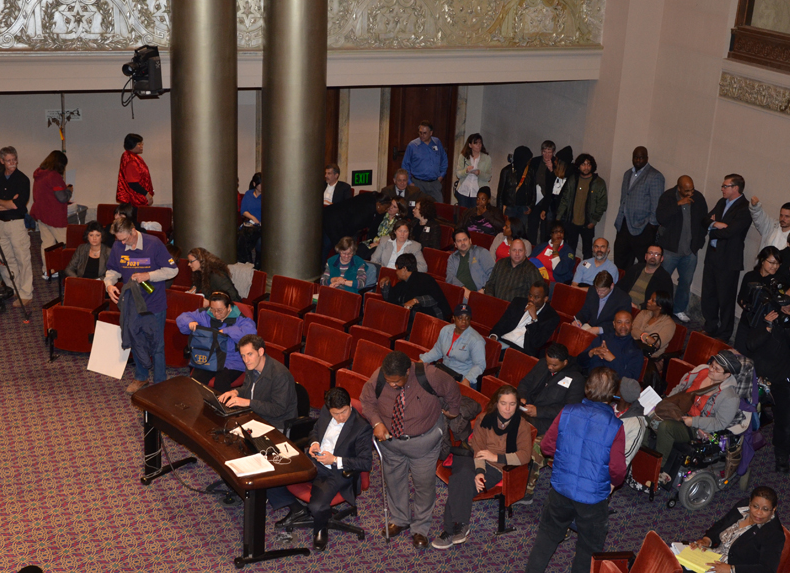
    Testimony from city officials highlighted frustrations. They pointed out that while counties approve permits, cities deal with the traffic, noise, and economic ripple effects without any formal input.

    Gambling Boom Fuels the Debate

    Wyoming’s gambling scene is exploding, with total wagering hitting over $242.8 million in August 2025 alone, according to the latest state reports. Historic horse racing machines, which look and feel like slots, drive much of this action at spots across the state.

    A second bill approved alongside the local control measure sets caps on these HHR terminals. Lawmakers amended it to limit the number, aiming to curb unchecked expansion.

    This surge isn’t new. Over the past few years, pari-mutuel wagering has grown dramatically, prompting the legislature to form the Select Committee on Gaming. Discussions have centered on balancing growth with oversight.

    One key worry is unregulated gambling spreading without checks. Some lawmakers see these bills as vital to keep things in line, especially as sports betting rebounds and adds to the mix.

    Local Voices Demand More Say

    City and town leaders testified strongly in favor during committee meetings. They shared stories of gambling spots popping up without their input, straining local resources.

    For instance, stakeholders from Wyoming counties and municipalities stressed that new operations should need local nods to open. This echoes earlier talks in August 2025, where the committee weighed giving cities veto power over locations.

    Without this shift, cities risk being sidelined in decisions that hit their budgets and neighborhoods hard.

    The bills also touch on creating a full Wyoming Gaming Commission. Lawmakers advanced plans for this body to oversee the industry, replacing patchwork rules with clearer guidelines.

    In one hearing, committee members debated a potential moratorium on new sites, showing the tension between expansion and control.

    Here are some key impacts locals mentioned:

    • Increased traffic and parking issues in downtown areas.
    • Strain on public services like police and fire departments.
    • Economic boosts from jobs, but concerns over community character.

    Broader Reforms on the Horizon

    Beyond local control, the committee passed measures to make legalized gaming permanent in Wyoming. This comes after years of temporary setups, with questions lingering on regulating “games of skill.”

    Historic horse racing has been a hot topic since its rise, blending old-school betting with modern machines. The state first legalized online sports betting back in 2021, allowing wagers in cash or even crypto, which set the stage for today’s growth.

    A report from the Wyoming Gaming Commission shows HHR machines alone contributed heavily to the $242 million handle. This data, released just days ago, underscores why caps and local approvals are gaining traction.

    Lawmakers aren’t stopping there. Talks include voter roles in decisions, potentially letting residents weigh in on big changes.

    One amended bill now requires operators to get municipal consent, following a public hearing process. This mirrors how other states handle gaming expansions, aiming for fairness.

    Challenges and Next Steps

    Not everyone agrees on the pace. Some operators worry caps could stifle business, especially with gambling topping records month after month.

    The lone “no” vote in the committee came from concerns over rushed changes. Critics argue the bills need more tweaks before full legislature review.

    Still, supporters point to the industry’s growth as proof of need. From $0 to hundreds of millions in handle, Wyoming’s shift from limited betting to a full scene demands better rules.

    As the bills move forward, they’ll face the full legislature in early 2026. If passed, they could set a model for other rural states grappling with gambling’s rise.

    This isn’t just about money. It’s about communities deciding their future amid a betting boom that brings jobs but also risks like addiction and overdevelopment.

    In the end, Wyoming’s lawmakers are steering toward a future where local voices matter most in the gambling game, balancing big revenues with hometown control. This could ease tensions in cities feeling overrun, while keeping the state’s economy humming. What do you think about giving cities more power over gambling spots? Share your views and pass this story along to friends on social media.

    ============================== ARTICLE END ==============================

    • Primary Category: News
    • Secondary Category: Finance
    • Meta Description: Wyoming lawmakers advance a key bill letting cities control gambling facilities, amid a $242M betting boom. Discover how this shift could reshape local economies and oversight in the state.
    • URL Slug: wyoming-lawmakers-advance-bill-local-gambling