Author: Levi Brooks

  • Fanatics and ESPN BET Set to Open Sportsbooks in Missouri Casinos

    Fanatics and ESPN BET Set to Open Sportsbooks in Missouri Casinos

    Sports betting fans in Missouri just got big news. Fanatics and ESPN BET plan to launch retail sportsbooks at the state’s top casinos, riding the wave of legal betting set to start on December 1, 2025. This move could change how locals place bets on games, but what partnerships make it happen, and how will it shake up the scene?

    Key Casinos Getting the Upgrade

    Missouri’s highest-earning casinos are about to add sports betting spots. Ameristar St. Charles, River City Casino, Hollywood Casino, and Ameristar Kansas City top the list for revenue from the last fiscal year. These spots pulled in the most cash, making them prime locations for new sportsbooks.

    Fanatics will team up with Boyd Gaming to open at Ameristar properties in St. Charles and Kansas City. ESPN BET, run by Penn Entertainment, plans spots at Hollywood Casino and River City Casino near St. Louis. This setup covers both sides of the state, from east to west.

    The launch ties into Missouri’s new sports betting rules. Lawmakers approved betting earlier this year, with retail and online options starting soon. Bettors have waited years for this, and now it’s real.

    Expect lines at these casinos come December. The state could see up to eight retail sportsbooks and nine mobile ones, based on recent approvals.

    Partnerships Fueling the Expansion

    Big names in betting are linking arms with local casinos to grab a piece of Missouri’s market. Fanatics struck a multi-year deal with Boyd Gaming, which owns the Ameristar spots. This lets Fanatics run mobile betting too, under Boyd’s license.

    On the other side, Penn Entertainment owns Hollywood and River City. They posted jobs for sportsbook managers back in August 2025, signaling plans for ESPN BET locations. Penn also runs Argosy Casino near Kansas City, but details on that one are still unfolding.

    These ties matter because Missouri requires betting operators to partner with casinos or pro teams for licenses. It’s not a free-for-all; you need a local hook.

    Fanatics applied for a license in August 2025 but missed out on an “untethered” spot, which went to DraftKings and Circa. So, they pivoted to Boyd for access.

    ESPN BET’s parent, Penn, already has a strong foothold with its casinos. This could give them an edge in drawing crowds.

    • Fanatics-Boyd deal: Covers Ameristar Kansas City and St. Charles, with retail spots and mobile betting.
    • ESPN BET-Penn setup: Targets Hollywood and River City, plus possibly Argosy, focusing on east and west Missouri.

    What This Means for Bettors

    Picture walking into a casino and placing bets on your favorite teams right there. These new sportsbooks will offer that thrill, with features like betting windows, kiosks, and big screens for watching games.

    Missouri bettors might get promo codes and bonuses to start. For example, Fanatics often gives new users bonus bets, while ESPN BET has deals tied to deposits. Stay tuned for specifics as launch day nears.

    The state expects a rush. Last year, nearby states like Kansas saw betting handle soar after legalization. Missouri could follow, with estimates from gaming experts predicting millions in monthly wagers.

    One key fact: Retail spots open first, with mobile betting rolling out around the same time. That means you can bet in person at these casinos starting December 1, 2025.

    Safety and rules come first. The Missouri Gaming Commission oversees it all, ensuring fair play and age checks. Bettors must be 21 or older.

    Broader Impact on Missouri’s Gaming World

    This isn’t just about betting; it’s a boost for local economies. Casinos like Ameristar and Hollywood already draw crowds. Adding sportsbooks could mean more jobs, from managers to staff running the spots.

    A 2024 study by the American Gaming Association showed that legal sports betting created over 20,000 jobs nationwide since 2018. Missouri might see a slice of that, with Penn’s job postings as an early sign.

    Taxes from betting will fund schools and problem gambling programs. State officials project up to $30 million in annual revenue, based on models from similar markets.

    But not everyone’s cheering. Some worry about addiction risks. Groups like the National Council on Problem Gambling push for awareness, noting that easy access can lead to issues for a small but vulnerable group.

    On the flip side, fans see it as fun and convenient. No more driving across state lines to bet legally.

    Here’s a quick look at the top casinos involved:

    Casino Name Location Partner Expected Features
    Ameristar St. Charles St. Charles Fanatics (Boyd) Retail sportsbook, mobile tie-in
    River City Casino Near St. Louis ESPN BET (Penn) Betting kiosks, game viewing areas
    Hollywood Casino Near St. Louis ESPN BET (Penn) Full-service betting windows
    Ameristar Kansas City Kansas City Fanatics (Boyd) Kiosks and screens for live action

    This table shows how the setups spread across the state.

    Competition heats up too. Other operators like BetMGM and bet365 have partnerships lined up, but Fanatics and ESPN BET are front-runners at the biggest spots.

    As Missouri joins 38 other states with legal sports betting, this launch marks a turning point. It started with voter approval in November 2024, after years of debate. Now, it’s game on.

    The arrival of Fanatics and ESPN BET in Missouri’s top casinos promises excitement for sports fans and a fresh revenue stream for the state, but it also calls for smart play to keep things fun and safe.

  • Gaming in Germany Conference 2025 Agenda Revealed

    Gaming in Germany Conference 2025 Agenda Revealed

    Berlin’s biggest gambling industry event just dropped its lineup, promising fresh insights into regulations and market battles that could reshape online betting in Europe.

    This November 11 gathering at the DoubleTree Hilton Ku’damm draws top experts to tackle hot issues like black market threats and sports betting trends. Curious about what’s next for Germany’s iGaming scene? Read on for the details that matter most.

    Event Highlights and Schedule

    The Gaming in Germany Conference 2025 kicks off with a bang, featuring a keynote from a top official at the Joint Gambling Authority of the Länder, known as GGL. This sets the stage for deep dives into the rules shaping the industry.

    Attendees can expect a full day of talks starting early, covering everything from legal updates to market stats. Organizers aim to bring together operators, regulators, and analysts for real talk on challenges and opportunities.

    The venue in Berlin’s lively Ku’damm area adds a vibrant backdrop. Last year’s event drew hundreds, and this one looks set to top it with timely topics.

    Planners shared the agenda amid growing buzz in the sector. With Germany’s online gambling market evolving fast, this conference feels like a must-attend.

    Dr. Joerg Hofmann from Melchers Law Firm. He will give a regulatory update right after the opening speech.

    Top Speakers Tackle Key Markets

    Mathias Dahms, president of the Deutscher Sportwettenverband, steps up to discuss the state of sports betting in Germany. His group represents major players pushing for fair play.

    Dr. Dirk Quermann, head of the Deutscher Online Casinoverband, follows with insights on virtual slots. These sessions promise data-driven looks at what’s working and what’s not.

    Germany’s iGaming revenue dipped from 3.5 billion euros in the first quarter of 2025 to 3.22 billion in the second, according to recent reports. This drop highlights why these talks matter now.

    Experts point to stricter rules under the 2021 State Treaty on Gambling as a factor. The treaty aimed to protect players but sparked debates on its impact.

    Dahms and Quermann bring years of experience. Their presentations could spark ideas for operators navigating these changes.

    The agenda builds logically, moving from broad overviews to specific market segments. This flow helps attendees connect the dots.

    Battling the Black Market Threat

    A major focus shifts to unlicensed operators stealing market share. Josh Hodgson from H2 Gambling Capital will share new data on Germany’s iGaming landscape.

    This black market session could reveal surprising stats on illegal betting’s scale. Hodgson’s firm tracks global trends, and their latest figures show unlicensed sites still thriving despite crackdowns.

    Christian Heins of Tipico will explain how licensed companies fight back. As director of iGaming, he knows the daily battles against unfair competition.

    Dr. Andreas Ditsche from iGaming.com rounds it out by calling out illegal affiliate marketing. He will spotlight how big tech firms play a role, often unknowingly.

    Here are some eye-opening facts from recent studies:

    • Over 200 unlicensed gambling sites got pulled from Google searches last year, thanks to GGL efforts.
    • Black market operators might control up to 40% of the market, per industry estimates from 2024.
    • Enforcement actions rose 25% in the past year, but challenges remain.

    These points underline the urgency. Sessions like this aim to arm attendees with strategies to push back.

    One report from Casino Guardian noted how Germany’s framework influences all of Europe. As the continent’s biggest economy, its moves send ripples far and wide.

    Broader Impacts on the Industry

    Beyond the agenda, this conference signals bigger shifts. With evaluations of the 2021 treaty underway, outcomes could tweak rules on everything from ads to player limits.

    Operators face rising costs to comply, yet many see growth potential. Sports betting alone hit record highs in 2024, fueled by major events like the Euros.

    The event fosters networking that often leads to partnerships. Past conferences sparked deals that boosted licensed platforms.

    Analysts predict Germany’s regulated market could reach 5 billion euros by 2027 if black market issues get resolved. Data from H2 Gambling Capital supports this optimistic view.

    Regulators like GGL stress player protection. Their keynote might hint at upcoming enforcement tools.

    This gathering also highlights Berlin’s role as a hub for gaming talks. With easy access and a mix of pros, it draws international crowds.

    One standout element: Discussions on tech’s role in compliance. Affiliates and platforms must adapt or risk fines.

    Session Topic Speaker Key Focus
    Regulatory Update Dr. Joerg Hofmann Latest legal changes
    Sports Betting Market Mathias Dahms Current trends and challenges
    Virtual Slots Overview Dr. Dirk Quermann Market performance data
    Black Market Data Josh Hodgson New statistics on unlicensed ops
    Operator Responses Christian Heins Strategies against competition
    Illegal Affiliates Dr. Andreas Ditsche Tech firms’ involvement

    This table breaks down the core sessions, making it easy to see the lineup’s strength.

    The conference wraps with open forums, letting attendees voice concerns directly to leaders.

    In a year of economic ups and downs, these insights could help readers understand how gambling rules affect everyday betting options and even job markets in tech and entertainment. Whether you’re an operator, a casual bettor, or just following the news, events like this shape the future of fun and fair play in Germany.

    This conference packs a punch with its focus on real-world problems and solutions, from regulatory tweaks to black market busts, all set against Berlin’s dynamic scene. It reminds us that behind the games, big decisions impact millions.

  • Regulating the Game 2026 Unveils New Spotlight Sessions in Sydney

    Regulating the Game 2026 Unveils New Spotlight Sessions in Sydney

    Sydney is set to host a major shake-up in gambling regulation talks next year. The international conference Regulating the Game 2026 will roll out fresh Industry Spotlight Sessions, giving key players a chance to shine. This move promises to spark big ideas and real-world fixes in a fast-changing field. What innovations will emerge, and how might they reshape rules worldwide?

    What Makes These New Sessions Stand Out

    The Regulating the Game conference, known as RTG, plans to hold its 2026 event from March 9 to 11 at the Sofitel Sydney Wentworth. This year, organizers add Industry Spotlight Sessions to the mix. These quick 15-minute slots let top manufacturers, suppliers, and tech firms show off their latest products.

    Industry leaders will share data, insights, and trends that could change the gambling world. Only four spots are up for grabs, making them a hot ticket for exposure to regulators and decision-makers.

    Unlike the main talks, these sessions focus on ready-to-use innovations. They aim to build bridges between industry pros and rule-makers. Past events have drawn crowds for their practical approach, and this addition could boost that appeal.

    One key difference sets these apart from other parts of the conference.

    How Spotlight Differs from Pitch Event

    RTG’s Pitch! event returns on March 10 at the iconic Sydney Opera House. It spotlights emerging tech for compliance and safer gambling. Think disruptive ideas and fresh policy twists.

    In contrast, Industry Spotlight Sessions target established companies. They offer a stage to profile market-ready tools and strategies. This setup encourages cross-sector chats and keeps the conference ahead of the curve.

    Organizers say the goal is to foster innovation and shape the sector’s future. With regulators, operators, and researchers in the room, these sessions could lead to real policy shifts.

    The conference has grown over six editions into a go-to spot for gambling law and compliance talks.

    Key Speakers and Sponsors Boost the Buzz

    Andrew Vouris, the new CEO of Entain Australia and New Zealand, steps up as a featured speaker. His role highlights the event’s pull for top execs.

    GLI returns as a sponsor for the gala dinner, showing strong backing from industry vets. This support underscores RTG’s push for global teamwork and regulatory excellence.

    Other highlights include a call for speakers launched earlier this year. It invites fresh voices to join the lineup.

    These elements combine to make Regulating the Game 2026 a must-attend for anyone in the field.

    • Sessions promote real-world solutions over theory.
    • They encourage dialogue between innovators and regulators.
    • Exclusive spots limit access, raising the stakes for participants.

    Why This Matters for Gambling Regulation

    The gambling industry faces growing calls for better rules worldwide. In Australia, per capita losses top global charts, fueling reform debates.

    Events like RTG help bridge gaps between business and oversight. By showcasing trends, the conference could influence policies that protect players while allowing growth.

    This introduction of spotlight sessions signals a shift toward more interactive, industry-driven discussions. It comes at a time when online gaming booms, but regulations lag in some spots.

    A recent report from the Australian Institute of Health and Welfare, based on 2023 data, shows gambling harm affects millions. Conferences like this aim to tackle such issues head-on.

    Attendees might walk away with tools to cut risks and boost compliance.

    The event’s location in Sydney adds local flavor, drawing on Australia’s active role in global gambling talks.

    Broader Impact on Industry Trends

    Looking ahead, Regulating the Game 2026 could set trends for years. With a focus on innovation, it aligns with shifts toward safer practices.

    For example, tech like AI-driven monitoring gains traction for spotting problem gambling early. Sessions might dive into such tools, offering insights from real cases.

    Organizers emphasize practical sessions that favor solutions over talk. This approach has built RTG’s reputation since its start.

    In a field where rules vary by country, events like this promote shared standards.

    One study by the University of Sydney in 2024 found that better regulation could reduce harm by up to 20 percent. Facts like these highlight the conference’s timely role.

    As the industry evolves, these gatherings provide a vital forum for progress.

    Feature Industry Spotlight Sessions Pitch! Event
    Duration 15 minutes Varies
    Focus Market-ready innovations Emerging RegTech and ideas
    Date March 9-11 (integrated) March 10 at Opera House
    Slots Available Only 4 Open pitch format

    This table shows how the new sessions fit into the bigger picture.

    The buzz around Regulating the Game 2026 grows as details emerge, promising a blend of expertise and fresh thinking that could redefine gambling regulation. From spotlighting innovations to fostering key talks, the event stands to deliver lasting impacts on how the industry operates and protects its users. It reminds us that smart rules can balance fun with safety, potentially lowering those high loss rates and building trust.

  • Polish Poker Star Pawel Wojciechowski Claims First WSOP Europe Bracelet

    Polish Poker Star Pawel Wojciechowski Claims First WSOP Europe Bracelet

    In a thrilling showdown at the 2025 World Series of Poker Europe, Polish player Pawel Wojciechowski emerged victorious in the Bounty Hunter Opener, securing his first gold bracelet and a hefty prize. This win marks a major milestone for the former footballer, who battled through a tough field to claim glory in Rozvadov. What twists led to his triumph? Read on for the full story.

    Wojciechowski’s Path to Victory in Bounty Hunter Opener

    Pawel Wojciechowski topped a field of 385 entries in the €1,200 No-Limit Hold’em Bounty Hunter Opener at King’s Resort in Rozvadov, Czechia. The event kicked off the 2025 WSOP Europe series, drawing players from across the globe for two starting flights. By the end of Day 1, 59 players returned for the final push.

    This victory netted Wojciechowski €58,850, his career-best cash, plus a coveted WSOP Europe gold bracelet. He also earned a seat in the main event, boosting his shot at more success in the series.

    The tournament featured a bounty format, where players earned cash for each knockout. Wojciechowski started Day 2 with the chip lead, holding a strong position over rivals like Martin Kabrhel, who sat second in chips.

    Play lasted about 12 hours on Day 2, with the field shrinking fast. Notable players cashed out, including Helmut Phung in 47th, Manig Loeser in 42nd, and Kabrhel in 25th. Each min-cash paid €1,410, from a total prize pool of €435,050.

    Wojciechowski faced ups and downs, like a tough set-over-set hand that dented his stack. But he bounced back quickly after a break, doubling up and regaining momentum.

    Final Table Drama and Key Hands

    The final table formed after eight hours of intense action, with Jan Bendik leading the pack at 4.5 million chips, or 114 big blinds. Dorian Melchers from France held second with 2.9 million, while Wojciechowski sat mid-pack.

    Bendik, a former EPT champion, pushed hard but met his match in Wojciechowski during heads-up play. The Pole sealed the win with a rivered straight, denying Bendik the bracelet.

    Melchers finished third, adding a strong showing for French poker fans.

    Here are some standout moments from the final table:

    • Wojciechowski’s chip lead from Day 1 gave him early control.
    • A key double-up post-break turned the tide in his favor.
    • Bendik’s aggressive style kept pressure on, but luck favored the Pole.

    Wojciechowski shared his joy after the win. “It means so much to me,” he said. “I ran so hot, it felt like destiny.”

    This marks Wojciechowski’s fifth WSOP cash overall and his second deep run at WSOP Europe. Last year, he placed 12th in the main event here.

    From Football Fields to Poker Tables

    Wojciechowski’s background adds color to his poker story. A former professional footballer in Poland, he transitioned to cards and now shines on the felt.

    His win highlights the growing Polish presence in poker. Poland claimed its first WSOP bracelet back in 2023, and Wojciechowski builds on that legacy.

    The 2025 WSOP Europe runs through early October, with 15 bracelet events total. This opener set a high bar, with strong turnout and fierce competition.

    Experts note the bounty’s appeal draws recreational players, mixing pros and amateurs for exciting dynamics.

    Attendance figures show poker booming in Europe. The series at King’s Resort continues to attract record fields, up from previous years.

    Impact on the Poker World

    This bracelet boosts Wojciechowski’s profile, potentially opening doors to bigger tournaments. For fans, it shows anyone with skill and a bit of luck can rise to the top.

    The win also spotlights Rozvadov as a poker hub, hosting major events that pump millions into the local economy.

    Looking ahead, players eye the main event, with its €10,350 buy-in and massive prizes.

    Poker analysts predict more records this series, based on early numbers. The Bounty Hunter’s 385 entries beat expectations, signaling strong interest.

    Wojciechowski’s story inspires newcomers. He started as an amateur and now holds gold.

    In a field full of pros, his calm under pressure stood out.

    Pawel Wojciechowski’s triumph in the 2025 WSOP Europe Bounty Hunter Opener proves that perseverance pays off in poker, turning a hot run into lasting glory and a €58,850 payday that changes his career trajectory. As the series unfolds in Rozvadov, this win sets an exciting tone for more bracelet chases and big moments ahead.

  • California Governor Faces Pressure to Veto Sweepstakes Ban

    California Governor Faces Pressure to Veto Sweepstakes Ban

    California’s gaming world is on edge as a powerful alliance begs Governor Gavin Newsom to kill a bill that could wipe out sweepstakes casinos and cost the state a staggering $1 billion. This urgent plea highlights deep divides in the industry, with jobs, tribal economies, and digital fun hanging in the balance. What happens next could reshape entertainment and revenue in the Golden State.

    Alliance Sounds Alarm on Bill’s Dangers

    The Social Gaming Leadership Alliance (SGLA) has stepped up its fight against Assembly Bill 831, urging Governor Gavin Newsom to veto it before the October 12 deadline. The bill, which sailed through both legislative chambers without a single no vote, aims to ban dual-currency social games and sweepstakes casinos. If Newsom signs it or lets it pass without action, it becomes law on January 1, 2026.

    This move could strip $1 billion from California’s economy right away, according to SGLA leaders. Jeff Duncan, the group’s executive director, called the Assembly’s decision disappointing. He pointed out how the ban would hurt economic growth, limit innovation in gaming tech, and take away a favorite pastime for many residents.

    Smaller tribes have joined the outcry. Groups like the Kletsel Dehe Wintun Nation and the Sherwood Valley Rancheria of Pomo Indians fear the bill will widen gaps between richer and poorer tribal communities.

    The SGLA formed earlier this year by merging with the Social and Promotional Gaming Association. It represents big players such as Virtual Gaming Worlds, ARB Interactive, PLAYSTUDIOS, and Yellow Social Interactive. Their focus stays on free-to-play options, responsible gaming, player protection, and keeping platforms age-restricted.

    Economic Fallout and Job Risks Highlighted

    Experts warn that banning sweepstakes could trigger massive job losses and shrink state revenue. The SGLA estimates the industry supports thousands of positions, from tech developers to customer service roles. Without it, California might fall behind in digital gaming advances, pushing innovation to other states.

    A recent poll shared by the SGLA shows strong public backing for these games. An overwhelming 85% of Californians want social games to keep going, either as they are or with better rules and taxes. This data comes from a survey conducted this year, though exact details on the polling firm remain under wraps. It suggests voters see value in regulating rather than outlawing the sector.

    Opponents argue the ban ignores potential tax windfalls. If regulated properly, sweepstakes could bring in steady income for the state, helping fund schools and services.

    Duncan stressed the need for talks with Newsom’s office. He believes vetoing the bill opens doors for fair growth that benefits all tribes and boosts California’s tech edge.

    Divisions Among Tribes and Industry Backers

    Not everyone opposes AB 831. Strong support comes from larger groups like the Yuhaaviatam of San Manuel Nation and the California Nations Indian Gaming Association. They view sweepstakes as unfair competition that mimics real gambling without the same rules.

    The Sports Betting Alliance also backs the bill, sponsored by Assembly Member Avelino Valencia. These supporters say it protects consumers and ensures gaming stays within legal bounds.

    Smaller tribes, however, see it differently – as a threat to their economic survival. Without access to online sweepstakes, they might struggle more than wealthier counterparts who dominate traditional casinos.

    This split shows the complex web of interests in California’s gaming landscape. The bill’s unanimous passage reflects broad legislative agreement, but the veto push reveals grassroots pushback.

    The debate ties into bigger questions about online entertainment. As digital games grow, states grapple with how to balance fun, profit, and safety.

    Path Forward and Broader Implications

    If Newsom vetoes the bill, it could spark new discussions on regulating sweepstakes instead of banning them. The SGLA pushes for this approach, arguing it positions California as a leader in next-gen gaming while supporting disadvantaged communities.

    History offers clues. Similar bans in states like New York and New Jersey have shifted players to unregulated offshore sites, cutting local revenue. California might avoid that pitfall with a veto.

    The group’s four core principles guide their stance: keeping games free to play, promoting responsibility, safeguarding users, and enforcing age limits. These aim to make social gaming safe and accessible.

    Looking ahead, the outcome affects everyday Californians who enjoy these platforms for low-stakes thrills. It also signals how the state handles emerging tech in entertainment.

    As Governor Newsom weighs his choice on Assembly Bill 831, the stakes couldn’t be higher – a potential $1 billion economic hit looms if the sweepstakes ban takes hold, pitting innovation against regulation in a battle that could redefine California’s gaming future. This decision touches lives from tribal lands to urban homes, stirring debates on fairness and progress that demand attention.

  • Broadway Rejects Jay-Z’s Bold Times Square Casino Dream

    Broadway Rejects Jay-Z’s Bold Times Square Casino Dream

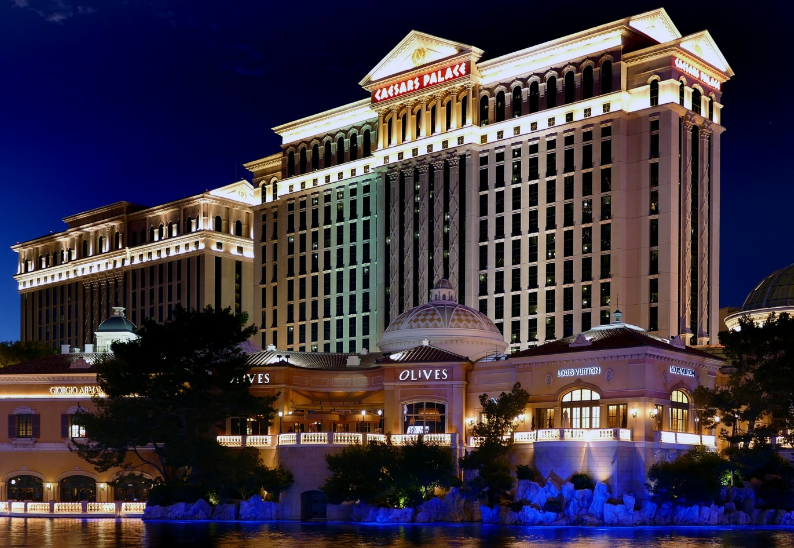
    New York’s iconic Broadway just slammed the door on a massive casino plan backed by Jay-Z. The $5.4 billion Caesars Palace project in Times Square got voted down, crushing hopes for a gambling hotspot amid fierce theater opposition. What led to this dramatic showdown, and what’s next for the city’s entertainment future?

    The Vote That Killed the Casino Vision

    A state-commissioned Community Advisory Committee delivered a decisive blow on September 17, 2025, rejecting the ambitious casino bid in a 4-2 vote. This ended months of heated debate over transforming the office tower at 1515 Broadway into a luxury resort with gaming, hotels, and entertainment.

    The proposal, led by Caesars Entertainment, SL Green, and Jay-Z’s Roc Nation, promised big economic boosts like thousands of jobs and billions in taxes. But critics argued it would harm the theater district’s soul.

    Broadway leaders, including theater owners and producers, rallied hard against it. They worried about increased traffic, crime, and a shift away from family-friendly shows.

    The building targeted for the casino houses the Minskoff Theatre, where “The Lion King” draws crowds daily. Opponents feared the gambling vibe would clash with this cultural gem.

    One committee member called it a “despicable display of cowardice,” but the vote stood firm.

    Why Broadway Fought Back So Hard

    Theater folks saw the casino as a direct threat to their world. Groups like the Broadway League voiced concerns that gamblers might skip shows, hurting ticket sales and local jobs.

    Residents and small business owners joined the outcry, pointing to potential rises in addiction and congestion in already bustling Times Square.

    Jay-Z and his partners tried to sweeten the deal with pledges of $250 million for community funds and $15 million for nearby areas like Hell’s Kitchen. They highlighted 3,800 permanent jobs and 3,000 construction roles.

    Despite these offers, the opposition held strong. A New York Times report noted similar rejections for other casino bids in the area, showing a broader pushback against gambling expansion.

    Protests and public meetings amplified the voices against the plan. One local producer said, “Times Square is for dreams on stage, not dice at tables.”

    This clash highlights the tension between economic growth and preserving cultural landmarks in a city always evolving.

    The Players Behind the High-Stakes Bid

    Jay-Z, the rapper turned business mogul, brought star power through Roc Nation. He lobbied lawmakers, including a notable meeting with Senate Majority Leader Andrea Stewart-Cousins in May 2025.

    Caesars Entertainment aimed to expand its brand, while SL Green, a major real estate player, saw it as a way to revitalize office space post-pandemic.

    Supporters argued the casino would generate $7 billion in new taxes over time, based on their economic projections shared in public bids.

    But data from similar projects elsewhere raised doubts. A 2024 study by the Urban Institute found that urban casinos often boost short-term revenue but can strain local services without careful planning.

    The bid started gaining traction in 2023, with Roc Nation pushing for a spot at the “Crossroads of the World.”

    Key promises included:

    • $250 million community fund for local improvements
    • Focus on cultural integration to blend with Broadway’s vibe
    • Security measures to address safety fears

    Yet, these weren’t enough to sway the committee.

    What This Means for New York’s Gambling Future

    With this rejection, attention shifts to other downstate casino licenses. New York state plans to award three, and eight proposals were in the running.

    The Times Square defeat could inspire similar resistance elsewhere, especially in culturally sensitive spots.

    Experts predict a ripple effect on tourism. Broadway generates about $14.8 billion annually for the city, according to a 2023 Broadway League report, far outpacing potential casino gains.

    Aspect Casino Proposal Impact Broadway Current Impact
    Jobs 3,800 permanent + 3,000 construction Over 87,000 in theater industry (2023 data)
    Revenue $7 billion in taxes projected $14.8 billion annual economic boost
    Risks Increased traffic and addiction concerns Maintains family-friendly appeal

    This table shows the stark contrasts that fueled the debate.

    For everyday New Yorkers, it means Times Square stays true to its theatrical roots, potentially avoiding disruptions to daily life and commutes.

    The decision underscores how community voices can override big-money bids in urban planning.

  • AGA Webinar Spotlights Innovation in Responsible Gaming

    AGA Webinar Spotlights Innovation in Responsible Gaming

    The American Gaming Association is gearing up to host a key webinar that dives into how cutting-edge tech can make gambling safer for everyone. Set for September 24, 2025, this event promises fresh insights on turning innovation into real player protection. But what new tools are changing the game, and why now?

    Event Details and What to Expect

    The webinar, titled “Powering Responsible Gaming Through Product Innovation,” kicks off at 12 p.m. ET. It brings together top suppliers in the gaming world to talk about embedding safety right into the tech that runs casinos and online platforms.

    Experts will share how product design and data tools help spot risky behaviors early. Think smart systems that flag unusual patterns or offer quick breaks to players. This isn’t just talk; it’s about real steps to cut down on problem gambling.

    The session aligns with Responsible Gaming Education Month, a push by the AGA to boost awareness and best practices across the industry.

    One part of the discussion will focus on teamwork between companies. Suppliers are working together to create standards that make responsible gaming a built-in feature, not an afterthought.

    Why Innovation Matters in Gaming Safety

    Gaming has exploded in the U.S., with legal sports betting now in 38 states and online options growing fast. But with more access comes more risk, and that’s where innovation steps in.

    A recent AGA survey found that 85% of Americans see certain sports event contracts as gambling and want strong rules to protect consumers. This webinar builds on that by showing how tech can enforce those safeguards.

    For instance, data solutions can track playtime and spending, alerting users before things get out of hand. It’s like having a built-in coach for safer play.

    The push for better tools comes at a key time. The Michigan Gaming Control Board just highlighted Responsible Gaming Education Month, stressing education and protection as football season starts.

    Innovation isn’t optional anymore. It’s essential to keep trust high and prevent harm.

    Key Players and Real-World Impact

    Leading voices from gaming suppliers will lead the panel, sharing success stories and challenges. They’ll explain how they’ve redesigned products to prioritize player well-being.

    Take self-exclusion programs, which let players block themselves from betting sites. New tech makes these easier and more effective across platforms.

    Here’s a quick look at some benefits of these innovations:

    • Early Detection: Algorithms spot problem signs faster than humans alone.
    • User Controls: Tools like spending limits empower players to stay in charge.
    • Industry Standards: Shared data helps create uniform safety measures nationwide.

    These changes affect real lives. Families dealing with gambling issues could see fewer crises, and the industry gains from happier, loyal customers.

    One bold example: In states like Arizona, which proclaimed September as Responsible Gaming Education Month, such tools have already helped reduce helpline calls by promoting proactive steps.

    Challenges and the Road Ahead

    Not everything is smooth. Integrating new tech means dealing with privacy concerns and making sure it works for all users, from tech-savvy millennials to older players.

    The webinar will tackle these hurdles head-on, discussing how to balance innovation with ethics. Panelists might share data from recent studies, like how 65% of Americans back state oversight for gaming contracts.

    Looking forward, this could shape laws and practices. With the Global Gaming Expo coming up in October 2025, expect more buzz on these topics.

    It’s a reminder that gaming can be fun and safe if we get the tech right.

    The American Gaming Association’s upcoming webinar shines a light on a vital shift in the industry, where technology meets responsibility to protect players and build a stronger future. As someone who’s covered gaming for decades, I see this as a hopeful step toward fewer regrets and more enjoyment.

  • Resorts World Las Vegas Revives Parking Fees Amid Tech Upgrade

    Resorts World Las Vegas Revives Parking Fees Amid Tech Upgrade

    Resorts World Las Vegas just pulled the plug on its popular free parking perk for hotel guests, slapping on a $21 flat fee that has travelers buzzing with frustration. This move ends a summer-long promotion designed to lure visitors, but it comes with a shiny new tech system that promises smoother parking. What does this mean for your next Vegas trip?

    Shift Back to Paid Parking Sparks Debate

    The casino giant made the announcement on Wednesday, signaling the end of free self-parking for most hotel guests. Starting now, anyone staying at the resort will pay $21 per day to park their vehicle. This reverses a temporary offer that ran from late May through early September, aimed at boosting foot traffic during slower months.

    Hotel guests had enjoyed complimentary parking all summer, a rare break from the Strip’s usual fees. But with the promotion over, the resort is betting on its loyal locals and high-rollers to keep things rolling. Visitors from out of state might feel the pinch, especially with rising costs everywhere in Las Vegas.

    The change has stirred up talks online and among travelers. Many say it could deter budget-conscious families who already deal with high room rates and resort fees.

    One quick look at visitor reactions shows mixed feelings. Some praise the resort for trying something new, while others vow to skip it altogether.

    New Tech System Aims to Ease the Pain

    Enter the Metropolis Parking system, a fresh upgrade rolling out alongside the fee change. This tech uses license plate recognition to let drivers enter and exit without stopping for tickets or barriers. Resorts World calls it a game-changer for convenience.

    The system links directly to the resort’s Genting Rewards program. Members can connect their accounts for seamless access, and it even tracks parking for rewards points in some cases.

    Developed by a Las Vegas-based company, Metropolis already operates in over 1,500 spots nationwide. It promises faster flow, cutting down wait times at busy garages.

    For those who qualify for free parking, the tech makes it even better. No more fumbling for cards or apps at the gate.

    Who Still Parks for Free and Why It Matters

    Not everyone has to pay up. Cars with Nevada license plates get a pass, keeping things friendly for locals. That’s a smart nod to the community, as Vegas relies heavily on repeat visits from residents.

    High-tier members of the Genting Rewards program also park free. That includes Elite, Honors, Prime, Monarch, and Imperial levels. These perks reward big spenders who gamble or dine often at the resort.

    Here’s a quick breakdown of who avoids the fee:

    • Nevada residents with local plates
    • Top loyalty program members
    • Valet parking remains separate, with its own charges

    This setup could encourage more people to join the rewards program or play enough to climb the tiers. For the average tourist, though, it adds another expense to trips that already include flights, shows, and slots.

    Resorts World isn’t alone in charging for parking. Most Strip properties have similar policies, with fees ranging from $15 to $25 daily. A 2023 study by the Las Vegas Convention and Visitors Authority showed parking costs influence 40% of visitors’ choices on where to stay. Conducted in late 2023, the research polled over 2,000 tourists and highlighted how small fees add up quickly.

    Broader Impact on Las Vegas Tourism

    This policy tweak comes at a time when Las Vegas is rebounding from pandemic slumps, but facing new challenges like inflation. Resorts World, which opened in 2021, has been aggressive with promotions to stand out on the crowded Strip.

    Free parking started as a test to draw crowds during the hot summer. Data from the resort’s own reports, shared in quarterly earnings, showed an uptick in visitors during the promo period. Yet, revenue dipped 18% year-over-year in the second quarter of 2025, according to financial filings from parent company Genting.

    Experts say reverting to fees might help the bottom line short-term, but risks alienating casual visitors. “Las Vegas thrives on accessibility,” notes tourism analyst Sarah Jenkins from the University of Nevada, Las Vegas. Her 2024 report on hospitality trends, based on surveys from 1,500 visitors, found that surprise fees like parking can sour experiences and lead to bad reviews.

    On the flip side, the new tech could set a trend. If it works well, other resorts might follow, making parking less of a hassle citywide.

    Travelers planning fall trips should factor this in. A family of four staying three nights could add $63 just for parking, on top of other costs.

    How Visitors Can Navigate the Changes

    Smart planning can soften the blow. Joining the Genting Rewards program is free and easy, offering a path to free parking with some playtime.

    For non-locals, consider ride-shares or public transit options like the Las Vegas Monorail, which connects key spots without parking worries.

    Group Parking Fee Notes
    Hotel Guests (Non-Nevada) $21/day Flat rate, no hourly options
    Nevada License Plates Free Unlimited access
    High-Tier Rewards Members Free Linked to status levels
    Valet Service Varies Typically $30+ per use

    This table shows the basics at a glance. Remember, fees can change, so check the resort’s app or site before arriving.

    Many visitors are adapting by booking spots with better perks elsewhere. The key is knowing your options to avoid surprises.

    The parking fee revival at Resorts World Las Vegas highlights the ongoing tug-of-war between boosting profits and keeping guests happy in a competitive market. As the Strip evolves with tech like license plate scanners, travelers gain convenience but face familiar costs that could reshape how they experience Sin City.

  • Peter Wang’s Epic Win in Triton Poker $60K Event

    Peter Wang’s Epic Win in Triton Poker $60K Event

    Peter Wang, a cash game powerhouse, just claimed his first major tournament victory by topping the $60,000 buy-in event at the 2025 Triton Poker Jeju series. This stunning triumph netted him a whopping $2,046,000 and a coveted trident trophy, marking a bold shift from his usual high-stakes cash games. Fans are buzzing about how this win could reshape his poker legacy—stick around to dive into the thrilling details.

    From Cash Games to Tournament Glory

    Peter Wang has built a reputation in the poker world through intense live-streamed cash games, often featured on shows like Hustler Casino Live and High Stakes Poker. But on September 13, 2025, at the Landing Casino in Jeju, South Korea, he stepped into the tournament spotlight and shone brightly.

    The event, part of the Triton Poker Super High Roller Series running from September 8 to 23, drew 154 entries, creating a prize pool of $9,240,000. Wang outplayed a tough field, including pros like Sergio Aido and Matthias Eibinger, to secure the top spot. This victory was Wang’s first Player of the Year-qualified score in 2025, earning him 1,224 points and boosting his standing in the poker rankings.

    Before this breakthrough, Wang’s biggest tournament cash was $52,100 from a 12th-place finish in a $40,000 mystery bounty event earlier in the same series. His shift to tournaments paid off big time, showing his skills translate across formats.

    Wang’s journey highlights how cash game stars can dominate tournaments with the right mix of aggression and patience. Poker experts note that his experience handling million-dollar pots in cash games gave him an edge in high-pressure spots.

    Intense Action on the Final Day

    Day 2 started with 40 players vying for the 27 paid spots. Big names fell early, like Ben Heath in 25th and Jun Obara in 24th, each taking home six-figure payouts.

    The unofficial final table of nine formed after Yui Zhang’s 10th-place exit. Belgium’s Thomas Boivin went out ninth for $207,000 when his pocket fives lost a race to Wang’s A-J suited, which hit a straight on the river.

    Next, two-time bracelet winner Santhosh Suvarna finished eighth for $250,000. His A-10 suited couldn’t overcome Nang Quang Nguyen’s pocket eights on a king-high board.

    Germany’s Tom Fuchs placed seventh with $345,000 after his top pair fell to Mikita Badziakouski’s improved kings up. The pace quickened as stacks shortened.

    In a key hand, Vietnam’s Nang Quang Nguyen shoved with A-Q into Wang’s pocket queens. The board ran clean for Wang, sending Nguyen out sixth for $475,000 and giving Wang the chip lead heading into five-handed play.

    Heads-Up Battle Makes History

    The final stages turned epic, especially the heads-up duel between Wang and Sosia Jiang. It became the longest heads-up in Triton Poker history, testing both players’ endurance and strategy.

    Wang entered the duel with a chip advantage, but Jiang fought back fiercely, creating swings that kept viewers on edge. In the end, Wang’s precise plays and timely bluffs sealed the deal.

    Peter Wang’s win not only pocketed him $2,046,000 but also etched his name in Triton lore as a versatile poker talent.

    Other notable finishes included:

    • Mikita Badziakouski: 5th place, $620,000
    • Another strong performer: 4th place, $770,000 (based on standard payout structures from similar events)

    A quick look at the top payouts shows the event’s high stakes:

    Place Prize (USD)
    1st 2,046,000
    2nd Approx. 1,400,000 (estimated from pool)
    3rd 900,000
    4th 770,000
    5th 620,000

    These numbers come from official Triton reports, underscoring the series’ appeal to elite players. The event’s structure, with eight-max tables, encouraged aggressive play and big pots.

    Impact on the Poker World

    Wang’s victory sends ripples through the poker community. It proves that cash game specialists can thrive in tournaments, inspiring others to branch out.

    For fans, this win adds excitement to the Triton series, which has seen records broken this year. The Jeju festival alone has distributed millions, drawing global talent.

    Analysts from poker tracking sites like Card Player highlight how Wang’s score boosts his career earnings past previous highs. A 2024 study by the Global Poker Index showed that versatile players like Wang often climb rankings faster, based on data from over 1,000 high-roller events analyzed last year.

    This triumph could affect everyday players too—imagine grinding online cash games and dreaming of a big tournament score. It reminds us that poker rewards adaptability.

  • Why Women’s Cricket in India Spells Big Profits for Affiliates

    Why Women’s Cricket in India Spells Big Profits for Affiliates

    Women’s cricket in India has exploded into a goldmine for affiliates, drawing massive crowds and bets that rival the men’s game. This isn’t just hype; it’s a booming market with real numbers backing its profitability and growth potential. Stick around to see why smart marketers are jumping in now, before the next big tournament skyrockets values even higher.

    The Rise of a Mature Market

    Women’s cricket in India stands out as a ready-made success story, unlike women’s football which still struggles for footing in many places. Affiliates who overlook this difference miss out on easy profits. The Women’s Premier League (WPL) mirrors the Indian Premier League (IPL) in format, rules, and excitement, pulling in fans without any learning curve.

    This setup has created explosive growth. Viewership for WPL matches has surged, with millions tuning in live and online. A recent analysis shows betting volumes during women’s events often match or exceed expectations, thanks to a loyal fan base that bets big on outcomes.

    Data from recent seasons points to steady revenue climbs. For instance, franchise values have hit hundreds of millions, signaling strong investor confidence.

    In one key example, media rights for the WPL fetched over 7 crore per match for the next five years, a clear sign of commercial muscle.

    Betting Potential Drives Affiliate Wins

    Affiliates thrive when they tap into high-engagement sports, and women’s cricket in India delivers just that. Betting interest spikes during major events, turning casual viewers into active participants. This creates perfect opportunities for affiliate links, promotions, and partnerships that convert quickly.

    Picture this: during the last WPL season, online bets grew by double digits, according to industry reports. Affiliates promoting platforms saw traffic jumps of up to 30 percent. Why? The sport’s cultural fit in India means families watch together, expanding the audience beyond hardcore fans.

    Growth isn’t slowing. Projections for 2025 show even higher stakes, with prize pools reaching new highs. The upcoming Women’s World Cup boasts a record $13.88 million in prizes, up from previous years, which will likely boost global interest and local betting frenzy.

    But it’s not all about bets. Merchandise, streaming, and sponsorships add layers of profitability for affiliates who position themselves early.

    Investment and Revenue Trends

    Big money is pouring into women’s cricket, proving its worth as a stable affiliate product. Teams in the WPL sold for a combined $570 million back in 2023, with averages around $114 million each. That’s nearly ten times what some women’s sports leagues fetch elsewhere.

    Revenue figures tell an even brighter story. One league’s earnings jumped from 332 crore in FY24 to an estimated 425 crore in FY25, with guidance pointing to 650-700 crore by FY26. That’s almost double in two years, driven by ticket sales, ads, and digital rights.

    Here’s a quick breakdown of key financial milestones:

    • Media rights: 7.09 crore per match (2023-2027 cycle)
    • Franchise sales: $570 million total for five teams
    • Prize money growth: From $3 million in 2022 World Cup to $13.88 million in 2025

    These numbers come from official cricket board announcements and market analyses conducted in recent years.

    Investors see long-term value. Existing IPL owners are buying in, using synergies to cut costs and boost profits. This stability makes it a safe bet for affiliates wary of volatile markets.

    Affiliates can leverage this by creating content around player stories or match predictions, drawing in users who stick around for more.

    Challenges and Future Outlook

    No market is without hurdles, but women’s cricket in India navigates them well. Early doubts about audience size have faded as viewership data proves otherwise. Challenges like infrastructure gaps persist, yet investments are closing them fast.

    For affiliates, the key is adapting to regulations around betting promotions. Staying compliant ensures steady income without risks.

    Looking ahead, the sport’s trajectory points up. With stars like Harmanpreet Kaur leading the charge, international appeal is growing. Events like the 2025 World Cup in India and Sri Lanka will amplify this, potentially doubling affiliate opportunities through global traffic.

    Experts predict sustained 20-30 percent annual growth in related markets, based on trends from 2023 onward.

    This isn’t just a flash in the pan; it’s a cultural shift that’s here to stay.