Category: Betting

  • Nevada Regulators Slam Kalshi, Crypto.com: Gig’s Up on Sports Bets

    Nevada Regulators Slam Kalshi, Crypto.com: Gig’s Up on Sports Bets

    A top Nevada gaming official just dropped a bombshell warning to prediction market giants Kalshi and Crypto.com, calling their sports contracts nothing but disguised gambling. “The gig is up,” declared board member George Assad, signaling a crackdown that could reshape betting rules nationwide. But why now, and what does this mean for users betting on game outcomes?

    The Stark Warning from Nevada’s Gaming Watchdog

    Nevada Gaming Control Board member George Assad did not hold back. In a recent statement, the retired Las Vegas judge targeted companies like KalshiEx LLC and Crypto.com for offering contracts tied to sports results. These deals let people bet on things like who wins a football game, much like traditional sports wagers.

    Assad’s message was clear: such contracts won’t fly in Nevada without proper gambling licenses. He praised court rulings that are starting to side with regulators, putting these firms on notice. This comes amid growing scrutiny over whether these prediction markets are really financial tools or just sneaky bets.

    The board’s stance aims to protect the state’s massive gaming industry, which rakes in billions each year. Nevada, home to Las Vegas, leads the U.S. in legal gambling, and officials worry these unregulated contracts could siphon off revenue and dodge taxes.

    One key issue is how these contracts mimic sports betting. Users buy into yes or no outcomes on events, profiting if they guess right. Assad’s warning highlights a push to enforce strict rules, especially after recent legal wins for the state.

    How Kalshi and Crypto.com Got Tangled in This Mess

    Kalshi, a prediction market platform, has been fighting to offer sports contracts legally. Earlier this year, a federal judge in Nevada granted Kalshi a temporary win, allowing some operations. But that ruling drew fire, and now the state is pushing back hard with new motions for more details from the company.

    Crypto.com, known for crypto trading and sponsorships, jumped into sports prediction markets too. The firm has deals worth over $1 billion in sports, including a big arena naming rights in Los Angeles. Yet regulators are probing if their Super Bowl markets break derivatives rules.

    Both companies argue their products are swaps under federal law, not gambling. But Nevada sees it differently, claiming they need state licenses to operate there. This clash pits innovation against regulation in a fast-growing field.

    Recent court decisions show the tide turning. For instance, a judge denied Crypto.com’s bid to keep offering contracts without licenses, contrasting an earlier nod to Kalshi. This inconsistency fuels the debate, with experts watching closely.

    Posts on X, formerly Twitter, buzz with reactions. Users debate if these markets are smart finance or just gambling in disguise, with some posts gaining thousands of views.

    Legal Battles Heat Up Across States

    The fight is not just in Nevada. Ohio shut down similar markets on platforms like Kalshi and Robinhood this spring, calling them a threat to regulated betting. Michigan launched a probe too, worried about consumer risks and lost taxes.

    In Nevada, the board seeks internal docs from Kalshi about their sports deals’ economic impact. The state argues these firms refuse to hand over key info, stalling cases. This could lead to bigger fines or bans.

    Federal oversight adds layers: the CFTC is eyeing how these contracts fit under commodity rules. A Nevada judge ruled that contracts based on game outcomes, not just if events happen, do not count as protected swaps.

    Here are some key legal points at play:

    • Prediction markets must prove they are not gambling to avoid state laws.
    • Courts are splitting: some allow limited operations, others demand licenses.
    • Regulators fear match-fixing risks if unchecked.

    These battles could set precedents. If Nevada wins big, it might inspire other states to clamp down, affecting millions who use these apps for quick bets.

    A table of recent actions shows the pattern:

    State Action Taken Date Impact
    Nevada Warning issued to firms October 2025 Potential bans
    Ohio Shut down markets April 2025 Lost access for users
    Michigan Formal investigation started April 2025 Tax revenue concerns

    This data, from state regulator reports, underscores a nationwide pushback.

    What This Means for Bettors and the Industry

    Everyday users might feel the pinch first. If platforms like Kalshi and Crypto.com get restricted, options for betting on sports via apps could shrink. That hits casual fans who enjoy predicting scores without hitting a casino.

    The industry faces a shake-up too. Sports betting exploded after a 2018 Supreme Court ruling, with U.S. wagers topping $100 billion last year, per American Gaming Association stats from 2024. Prediction markets, a smaller slice, grew to millions in trades, but regulation could cap that.

    Assad’s “gig is up” line echoes past crackdowns, like Nevada’s 2015 ban on unlicensed daily fantasy sites. Back then, big names had to get permits or leave, reshaping the market.

    Innovation might suffer, but supporters say rules ensure fair play. One surprise: even with crypto ties, these firms started with gambling licenses in places like Curacao, now fighting for U.S. legitimacy.

    Looking ahead, talks with the CFTC could clarify boundaries. For now, the warning serves as a wake-up call for firms blending finance and betting.

    This Nevada showdown exposes the blurry line between smart investing and plain old gambling, a tension that’s only growing as apps make betting easier than ever. It affects everyone from Vegas high-rollers to phone users placing quick wagers, potentially shifting billions in revenue and forcing companies to adapt or fold. As a journalist who’s covered gaming wars for decades, I see this as a pivotal moment that could redefine fair play in America’s betting boom.

  • Fanatics and ESPN BET Set to Open Sportsbooks in Missouri Casinos

    Fanatics and ESPN BET Set to Open Sportsbooks in Missouri Casinos

    Sports betting fans in Missouri just got big news. Fanatics and ESPN BET plan to launch retail sportsbooks at the state’s top casinos, riding the wave of legal betting set to start on December 1, 2025. This move could change how locals place bets on games, but what partnerships make it happen, and how will it shake up the scene?

    Key Casinos Getting the Upgrade

    Missouri’s highest-earning casinos are about to add sports betting spots. Ameristar St. Charles, River City Casino, Hollywood Casino, and Ameristar Kansas City top the list for revenue from the last fiscal year. These spots pulled in the most cash, making them prime locations for new sportsbooks.

    Fanatics will team up with Boyd Gaming to open at Ameristar properties in St. Charles and Kansas City. ESPN BET, run by Penn Entertainment, plans spots at Hollywood Casino and River City Casino near St. Louis. This setup covers both sides of the state, from east to west.

    The launch ties into Missouri’s new sports betting rules. Lawmakers approved betting earlier this year, with retail and online options starting soon. Bettors have waited years for this, and now it’s real.

    Expect lines at these casinos come December. The state could see up to eight retail sportsbooks and nine mobile ones, based on recent approvals.

    Partnerships Fueling the Expansion

    Big names in betting are linking arms with local casinos to grab a piece of Missouri’s market. Fanatics struck a multi-year deal with Boyd Gaming, which owns the Ameristar spots. This lets Fanatics run mobile betting too, under Boyd’s license.

    On the other side, Penn Entertainment owns Hollywood and River City. They posted jobs for sportsbook managers back in August 2025, signaling plans for ESPN BET locations. Penn also runs Argosy Casino near Kansas City, but details on that one are still unfolding.

    These ties matter because Missouri requires betting operators to partner with casinos or pro teams for licenses. It’s not a free-for-all; you need a local hook.

    Fanatics applied for a license in August 2025 but missed out on an “untethered” spot, which went to DraftKings and Circa. So, they pivoted to Boyd for access.

    ESPN BET’s parent, Penn, already has a strong foothold with its casinos. This could give them an edge in drawing crowds.

    • Fanatics-Boyd deal: Covers Ameristar Kansas City and St. Charles, with retail spots and mobile betting.
    • ESPN BET-Penn setup: Targets Hollywood and River City, plus possibly Argosy, focusing on east and west Missouri.

    What This Means for Bettors

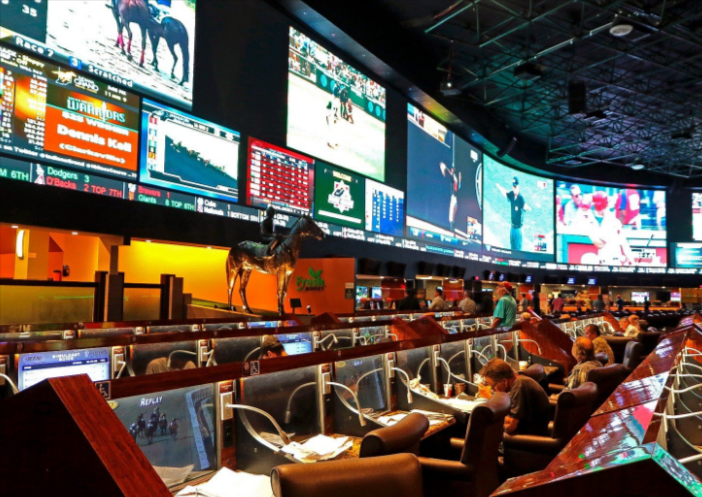
    Picture walking into a casino and placing bets on your favorite teams right there. These new sportsbooks will offer that thrill, with features like betting windows, kiosks, and big screens for watching games.

    Missouri bettors might get promo codes and bonuses to start. For example, Fanatics often gives new users bonus bets, while ESPN BET has deals tied to deposits. Stay tuned for specifics as launch day nears.

    The state expects a rush. Last year, nearby states like Kansas saw betting handle soar after legalization. Missouri could follow, with estimates from gaming experts predicting millions in monthly wagers.

    One key fact: Retail spots open first, with mobile betting rolling out around the same time. That means you can bet in person at these casinos starting December 1, 2025.

    Safety and rules come first. The Missouri Gaming Commission oversees it all, ensuring fair play and age checks. Bettors must be 21 or older.

    Broader Impact on Missouri’s Gaming World

    This isn’t just about betting; it’s a boost for local economies. Casinos like Ameristar and Hollywood already draw crowds. Adding sportsbooks could mean more jobs, from managers to staff running the spots.

    A 2024 study by the American Gaming Association showed that legal sports betting created over 20,000 jobs nationwide since 2018. Missouri might see a slice of that, with Penn’s job postings as an early sign.

    Taxes from betting will fund schools and problem gambling programs. State officials project up to $30 million in annual revenue, based on models from similar markets.

    But not everyone’s cheering. Some worry about addiction risks. Groups like the National Council on Problem Gambling push for awareness, noting that easy access can lead to issues for a small but vulnerable group.

    On the flip side, fans see it as fun and convenient. No more driving across state lines to bet legally.

    Here’s a quick look at the top casinos involved:

    Casino Name Location Partner Expected Features
    Ameristar St. Charles St. Charles Fanatics (Boyd) Retail sportsbook, mobile tie-in
    River City Casino Near St. Louis ESPN BET (Penn) Betting kiosks, game viewing areas
    Hollywood Casino Near St. Louis ESPN BET (Penn) Full-service betting windows
    Ameristar Kansas City Kansas City Fanatics (Boyd) Kiosks and screens for live action

    This table shows how the setups spread across the state.

    Competition heats up too. Other operators like BetMGM and bet365 have partnerships lined up, but Fanatics and ESPN BET are front-runners at the biggest spots.

    As Missouri joins 38 other states with legal sports betting, this launch marks a turning point. It started with voter approval in November 2024, after years of debate. Now, it’s game on.

    The arrival of Fanatics and ESPN BET in Missouri’s top casinos promises excitement for sports fans and a fresh revenue stream for the state, but it also calls for smart play to keep things fun and safe.

  • Gaming in Germany Conference 2025 Agenda Revealed

    Gaming in Germany Conference 2025 Agenda Revealed

    Berlin’s biggest gambling industry event just dropped its lineup, promising fresh insights into regulations and market battles that could reshape online betting in Europe.

    This November 11 gathering at the DoubleTree Hilton Ku’damm draws top experts to tackle hot issues like black market threats and sports betting trends. Curious about what’s next for Germany’s iGaming scene? Read on for the details that matter most.

    Event Highlights and Schedule

    The Gaming in Germany Conference 2025 kicks off with a bang, featuring a keynote from a top official at the Joint Gambling Authority of the Länder, known as GGL. This sets the stage for deep dives into the rules shaping the industry.

    Attendees can expect a full day of talks starting early, covering everything from legal updates to market stats. Organizers aim to bring together operators, regulators, and analysts for real talk on challenges and opportunities.

    The venue in Berlin’s lively Ku’damm area adds a vibrant backdrop. Last year’s event drew hundreds, and this one looks set to top it with timely topics.

    Planners shared the agenda amid growing buzz in the sector. With Germany’s online gambling market evolving fast, this conference feels like a must-attend.

    Dr. Joerg Hofmann from Melchers Law Firm. He will give a regulatory update right after the opening speech.

    Top Speakers Tackle Key Markets

    Mathias Dahms, president of the Deutscher Sportwettenverband, steps up to discuss the state of sports betting in Germany. His group represents major players pushing for fair play.

    Dr. Dirk Quermann, head of the Deutscher Online Casinoverband, follows with insights on virtual slots. These sessions promise data-driven looks at what’s working and what’s not.

    Germany’s iGaming revenue dipped from 3.5 billion euros in the first quarter of 2025 to 3.22 billion in the second, according to recent reports. This drop highlights why these talks matter now.

    Experts point to stricter rules under the 2021 State Treaty on Gambling as a factor. The treaty aimed to protect players but sparked debates on its impact.

    Dahms and Quermann bring years of experience. Their presentations could spark ideas for operators navigating these changes.

    The agenda builds logically, moving from broad overviews to specific market segments. This flow helps attendees connect the dots.

    Battling the Black Market Threat

    A major focus shifts to unlicensed operators stealing market share. Josh Hodgson from H2 Gambling Capital will share new data on Germany’s iGaming landscape.

    This black market session could reveal surprising stats on illegal betting’s scale. Hodgson’s firm tracks global trends, and their latest figures show unlicensed sites still thriving despite crackdowns.

    Christian Heins of Tipico will explain how licensed companies fight back. As director of iGaming, he knows the daily battles against unfair competition.

    Dr. Andreas Ditsche from iGaming.com rounds it out by calling out illegal affiliate marketing. He will spotlight how big tech firms play a role, often unknowingly.

    Here are some eye-opening facts from recent studies:

    • Over 200 unlicensed gambling sites got pulled from Google searches last year, thanks to GGL efforts.
    • Black market operators might control up to 40% of the market, per industry estimates from 2024.
    • Enforcement actions rose 25% in the past year, but challenges remain.

    These points underline the urgency. Sessions like this aim to arm attendees with strategies to push back.

    One report from Casino Guardian noted how Germany’s framework influences all of Europe. As the continent’s biggest economy, its moves send ripples far and wide.

    Broader Impacts on the Industry

    Beyond the agenda, this conference signals bigger shifts. With evaluations of the 2021 treaty underway, outcomes could tweak rules on everything from ads to player limits.

    Operators face rising costs to comply, yet many see growth potential. Sports betting alone hit record highs in 2024, fueled by major events like the Euros.

    The event fosters networking that often leads to partnerships. Past conferences sparked deals that boosted licensed platforms.

    Analysts predict Germany’s regulated market could reach 5 billion euros by 2027 if black market issues get resolved. Data from H2 Gambling Capital supports this optimistic view.

    Regulators like GGL stress player protection. Their keynote might hint at upcoming enforcement tools.

    This gathering also highlights Berlin’s role as a hub for gaming talks. With easy access and a mix of pros, it draws international crowds.

    One standout element: Discussions on tech’s role in compliance. Affiliates and platforms must adapt or risk fines.

    Session Topic Speaker Key Focus
    Regulatory Update Dr. Joerg Hofmann Latest legal changes
    Sports Betting Market Mathias Dahms Current trends and challenges
    Virtual Slots Overview Dr. Dirk Quermann Market performance data
    Black Market Data Josh Hodgson New statistics on unlicensed ops
    Operator Responses Christian Heins Strategies against competition
    Illegal Affiliates Dr. Andreas Ditsche Tech firms’ involvement

    This table breaks down the core sessions, making it easy to see the lineup’s strength.

    The conference wraps with open forums, letting attendees voice concerns directly to leaders.

    In a year of economic ups and downs, these insights could help readers understand how gambling rules affect everyday betting options and even job markets in tech and entertainment. Whether you’re an operator, a casual bettor, or just following the news, events like this shape the future of fun and fair play in Germany.

    This conference packs a punch with its focus on real-world problems and solutions, from regulatory tweaks to black market busts, all set against Berlin’s dynamic scene. It reminds us that behind the games, big decisions impact millions.

  • Crypto Betting Trends Surge Across Regions in Late 2025

    Crypto Betting Trends Surge Across Regions in Late 2025

    Crypto betting is exploding worldwide, with fresh data showing how gamblers in different areas pick their favorite sports amid a booming market. A new report dives into betting patterns from August to September 2025, highlighting soccer’s global grip while uncovering surprising local twists. But what drives these choices, and how might they shift your own betting habits? Stick around to find out.

    Key Findings from the Latest Betting Snapshot

    The report tracks betting action across 12 top competitions during a busy time that includes the kickoff of major European soccer leagues, the US Open tennis event, and the intense MLB playoff push. It covers regions like Europe, Latin America, Canada, Africa, Oceania, Asia, and the Middle East, based on real activity from August 5 to September 4, 2025.

    Soccer dominates as the top sport in crypto betting worldwide, pulling in the most wagers across nearly every region. This isn’t shocking, given its massive fan base, but the data reveals how local tastes add flavor. For example, in Latin America, events like the Copa Libertadores grabbed 8.98% of total bets, beating out even domestic leagues in some spots.

    Analysts behind the study looked at each region’s top five competitions to create a clear picture of overlaps and differences. They focused on a select group to avoid overwhelming details from thousands of daily events.

    In Europe, Premier League matches led the pack, while North American bettors leaned toward baseball and UFC fights.

    How Regional Favorites Shape the Market

    Diving deeper, the snapshot shows stark differences that could surprise many. In Asia and the Middle East, cricket and local soccer leagues mix with global events, but UFC has surged unexpectedly, drawing more bets than traditional sports in some areas.

    Take Latin America as a standout case. Excluding Brazil, the Copa Libertadores topped charts over Argentina’s Liga Profesional de Futbol, which might seem odd given the local passion for domestic games. This points to bettors chasing international excitement, perhaps for bigger payouts or more thrill.

    The global online gambling market hit $87.69 billion in 2025, with experts at Grand View Research forecasting a jump to $153.57 billion by 2030 at an 11.9% compound annual growth rate. Crypto betting plays a big role in this growth, offering fast transactions and privacy that traditional methods can’t match.

    Africa and Oceania show a blend, with rugby and soccer sharing the spotlight, but tennis from the US Open sneaked into top lists, hinting at growing interest in individual sports.

    These trends matter because they show how crypto platforms adapt to local cultures, potentially drawing in new users who feel more at home with familiar options.

    Breaking Down the Data by Sport and Region

    To make sense of the numbers, let’s look at some specifics. The report compiled composite sets from regional data, revealing global patterns without getting lost in minor details.

    Here are a few eye-opening highlights:

    • Soccer’s universal appeal: It appeared in every region’s top five, with the English Premier League leading in Europe and Canada.
    • Baseball’s North American stronghold: MLB games dominated in Canada and parts of Latin America, especially during the playoff race.
    • UFC’s rising punch: Mixed martial arts events cracked the top in Asia, surprising many who expected cricket to rule alone.
    • Tennis upsets: The US Open drew unexpected bets in Africa, showing how major tournaments can cross borders.

    This setup helps bettors spot opportunities, like jumping on under-the-radar events for better odds.

    In terms of volume, the period saw spikes tied to season starts. European soccer leagues alone accounted for over 40% of global crypto bets in some estimates, based on the snapshot’s analysis.

    One key insight? Bettors in emerging markets like Africa favor mobile-friendly options, which crypto excels at, potentially fueling faster growth there compared to established regions.

    What This Means for the Future of Crypto Betting

    Looking ahead, these trends suggest crypto betting will keep evolving with technology and user preferences. Platforms are already tweaking odds and features based on such data, making experiences more tailored.

    For instance, the rise of UFC in non-traditional areas could lead to more live betting options, where quick crypto transactions shine. This might encourage newcomers to try betting, especially with privacy perks that appeal in regions with strict regulations.

    The snapshot series plans to continue, tracking changes over time. Early data from this first edition, released just days ago, already sparks questions about how events like the NFL season might shake things up.

    As crypto betting grows, it could reshape how people engage with sports, blending fun with financial tech in ways that feel personal and exciting.

    Experts note that while soccer holds strong, diversifying into local favorites builds loyalty and expands the market.

  • Robinhood Takes Regulators to Court Over Sports Event Contracts in New Jersey and Nevada

    Robinhood Takes Regulators to Court Over Sports Event Contracts in New Jersey and Nevada

    Robinhood has launched lawsuits against gaming regulators in New Jersey and Nevada, arguing that its newly reintroduced sports event contracts are federally compliant and should be allowed to continue without state interference. The move comes as thousands of customers brace for potential disruption.

    Legal Fight Spills Into Federal Court

    Robinhood filed nearly identical suits this week, targeting the New Jersey Division of Gaming Enforcement and the Nevada Gaming Control Board. The cases were lodged in federal court, with the company seeking injunctions to stop both states from taking action while the contracts remain active.

    The timing wasn’t accidental. On the very same day, Robinhood announced the return of its prediction markets, this time linked directly to college and professional football. Within hours, the legal filings were made public.

    For regulators, the issue is simple: sports betting is already heavily controlled at the state level. But Robinhood insists its contracts are commodities futures, overseen by the Commodity Futures Trading Commission (CFTC). The difference matters. One puts the contracts under state gambling laws. The other keeps them in federal financial regulation.

    What’s at Stake for Customers

    According to the company, more than 60,000 customers in just two states could see their access disrupted. That’s a sizable figure for a pilot product.

    One person close to the case noted that Robinhood has already invested millions into building out the infrastructure through its CFTC-registered arm, Robinhood Derivatives. Cutting access now, the lawsuits argue, would not just hurt Robinhood but also individual investors who have already placed contracts.

    “This is a decisive step forward in our mission to democratize finance,” a Robinhood spokesperson said. The phrasing may sound familiar—the company has long marketed itself on making trading accessible to everyday investors. But now, the promise is being tested in an area where gambling and finance collide.

    Prediction Markets or Sports Betting?

    The distinction between a sports event contract and a sports bet is not always clear. To some regulators, it looks like a thinly veiled attempt to repackage betting under another name. To Robinhood, however, the products function like any other market-based derivative.

    Contracts are settled based on specific outcomes—for example, whether a football team wins or loses. That resembles betting, but Robinhood frames it as a financial instrument tied to data.

    Here’s a quick snapshot of how these contracts compare with traditional sports betting:

    Feature Sports Betting (State Regulated) Event Contracts (CFTC Regulated)
    Oversight State gaming regulators Federal CFTC
    Settlement Based on game outcome Based on contract specifications
    Customer Access Sportsbooks, casinos, apps Futures trading platforms
    Legality Varies by state Uniform under federal regulation

    That table captures the crux of the fight. If the courts side with Robinhood, the company could bypass state gambling hurdles entirely. If not, its sports event contracts could be banned in large swathes of the country.

    A Clash of Regulatory Philosophies

    Nevada has long been considered the gold standard of sports betting regulation. New Jersey, meanwhile, was one of the first states to push aggressively into online sports wagering after the Supreme Court struck down a federal ban in 2018.

    Both argue they have a duty to protect consumers from predatory products. They worry that framing betting as trading could erode safeguards built over decades.

    Robinhood’s counter is straightforward: it already operates under strict federal oversight. Why should states interfere with a market the federal government has expressly allowed?

    It’s a clash not just of legal interpretations but also of regulatory philosophies. One sees betting as entertainment with consumer risks. The other sees financial contracts as investment products that should be open nationwide.

    Timing Raises Eyebrows

    Critics point out that Robinhood’s timing—launching new football contracts right before suing regulators—was a calculated gamble in itself. By moving quickly, the company caught state agencies off guard and built early momentum among customers before potential bans could take hold.

    For some, it’s a clever strategy. For others, it smacks of provocation.

    Still, Robinhood has been here before. From commission-free trading to cryptocurrency access, the company has often pushed boundaries first and dealt with regulators later. This latest clash continues that tradition.

    Wider Implications Beyond Two States

    Though the lawsuits focus on New Jersey and Nevada, the outcome could ripple across the U.S. If Robinhood wins, it sets a precedent that CFTC-regulated contracts can trump state gaming laws. That would effectively open the door for nationwide sports event contracts without state approval.

    If it loses, other states may follow with enforcement threats, potentially boxing Robinhood out of a lucrative market before it gains traction.

    Analysts see this as part of Robinhood’s broader effort to expand beyond stock trading, diversifying revenue streams in a competitive market. After years of being defined by meme stocks and volatile crypto runs, the company is now eyeing sports-linked products as its next big bet.

    Customers Left in the Middle

    For everyday users, the legal technicalities matter less than whether they can keep trading. Many of the 60,000 potentially affected customers may not even realise their contracts are now tied up in federal litigation.

    One Nevada-based trader told a local outlet he had only just signed up before hearing about the lawsuits. “I don’t care if they call it a contract or a bet,” he said. “I just don’t want to lose access mid-season.”

    That sentiment sums up the challenge. Customers want stability, regulators want control, and Robinhood wants growth. How the courts reconcile those interests could define the next chapter of prediction markets in America.

  • sportes Gaming Brasil Unveils LOTTU as Third Betting Brand With Own-Built Platform

    sportes Gaming Brasil Unveils LOTTU as Third Betting Brand With Own-Built Platform

    Esportes Gaming Brasil has launched its third and final betting brand, LOTTU, marking a fresh chapter in Brazil’s regulated gambling market with a platform built entirely in-house. The company says the move strengthens its grip on a rapidly maturing sector where competition and compliance now walk hand in hand.

    Brazil’s Betting Market Reaches a New Milestone

    The gambling industry in Brazil hasn’t stood still for a moment since regulation gained speed in recent years. With the Secretariat of Prizes and Bets (SPA) setting a clear cap of three brands per licence, companies are racing to fill their quotas. Esportes Gaming Brasil has now hit that ceiling.

    LOTTU joins its siblings Esportes da Sorte and Onabet, two names already established with Brazilian bettors. Each brand serves a slightly different audience, but LOTTU carries something extra—the backbone is a platform coded, tested, and refined internally.

    That choice matters. Operators often rely on third-party providers, which can limit flexibility. By building their own, Esportes Gaming Brasil can adapt quicker, integrate new tools faster, and keep costs in check. Some industry insiders argue that this could shift the competitive balance if others don’t follow suit.

    What LOTTU Brings to the Table

    LOTTU isn’t just another logo on a sportsbook site. Its launch has been designed with specific hooks for engagement. The company has highlighted three areas:

    • Interactive betting tools that let users customise their experience.

    • Real-time promotions triggered by live events.

    • Adaptive layouts that respond to the behaviours of different bettor groups.

    There’s also a spotlight on responsible gambling. The brand is embedding monitoring features to detect harmful play and offering direct links to support services. This is increasingly seen as essential in Brazil, especially as lawmakers watch closely how operators address addiction and consumer protection.

    One executive close to the project described LOTTU as “built for scale but grounded in responsibility,” suggesting that growth won’t come at the cost of oversight.

    Regulatory Pressure Shapes Strategy

    Brazil’s SPA has made it crystal clear: no more than three brands per licence. That regulation forces operators to be selective about launches. Esportes Gaming Brasil’s choice to invest in LOTTU signals where it thinks the growth potential lies.

    Some analysts believe that capping brands helps prevent market saturation. Others argue it stifles innovation by limiting the variety of products on offer. Either way, the rule is now shaping corporate strategies. For Esportes Gaming Brasil, the three-brand ceiling isn’t just a limit; it’s a line in the sand that demands efficiency.

    A market report from H2 Gambling Capital projected Brazil’s regulated sports betting market could exceed $6 billion in annual gross gaming revenue by 2027. With such stakes, getting the brand mix right is less about choice and more about survival.

    Competition Heats Up Across Brazil

    Esportes Gaming Brasil isn’t alone in the push. International giants like Flutter and Entain have already made strong moves in Latin America, viewing Brazil as a priority market. Local competitors are equally aggressive, leaning on celebrity endorsements, football club partnerships, and heavy advertising to attract bettors.

    LOTTU enters this space trying to differentiate through technology rather than just marketing muscle. Whether bettors will notice the difference is another question. Most users want speed, reliability, and clear odds—if LOTTU’s in-house platform delivers those, word of mouth could quickly work in its favour.

    But the competition is intense. As one industry analyst put it, “There’s no shortage of platforms in Brazil now. What matters is who can retain users beyond that first deposit.”

    Responsible Gambling Takes Centre Stage

    Gambling addiction is no longer brushed aside in corporate announcements. The Brazilian government has tied the growth of this sector to consumer safeguards. Esportes Gaming Brasil has followed suit, building behavioural tracking directly into LOTTU’s core system.

    The platform reportedly flags patterns like excessive deposits, late-night betting streaks, or chasing losses. Players then get nudges—reminders, cooldowns, or even temporary restrictions. And beyond the tech, the site will provide access to specialised counsellors.

    This focus isn’t just regulatory box-ticking. Public opinion is shifting. More Brazilians are comfortable with betting, but surveys from Datafolha show concern about addiction remains high. If LOTTU balances entertainment with protection, it may avoid some of the backlash that other operators face.

    Comparing Brazil’s Betting Operators

    A quick glance at how different operators position themselves shows the contrasts.

    Operator Brand Count Tech Model Responsible Gambling Focus Market Position
    Esportes Gaming Brasil 3 In-house & 3rd party mix Behaviour monitoring, support links Strong local presence
    Flutter Entertainment Multiple 3rd party heavy International compliance programs Global leader, Latin America push
    Entain Multiple Hybrid approach Partnerships with NGOs Expanding aggressively

    The table shows why Esportes Gaming Brasil’s strategy is noteworthy. Going fully in-house with one brand sets it apart in a crowded market.

    What Comes Next for LOTTU

    The question now is scale. Can LOTTU grow fast enough to justify the investment in its platform? If yes, Esportes Gaming Brasil could become a model for other regional operators. If not, it risks being overshadowed by competitors with deeper pockets and global reach.

    For now, the company is betting—quite literally—that Brazilians want something fresh. A system that feels intuitive, reacts to their habits, and still protects them. It’s a bold gamble, but then again, that’s the essence of this business.

  • Ohio Governor Pushes for Prop Bet Ban Amid MLB Probe Into Guardians Pitchers

    Ohio Governor Pushes for Prop Bet Ban Amid MLB Probe Into Guardians Pitchers

    Ohio’s top official is calling time on one of the most controversial aspects of legal sports betting — and he’s not mincing words.

    Governor Mike DeWine on Thursday made an urgent public appeal to the Ohio Casino Control Commission, demanding a statewide ban on all proposition bets, or “prop bets”, in light of recent integrity concerns. The tipping point? A swirling Major League Baseball investigation involving two Cleveland Guardians pitchers and suspect betting patterns during their games.

    A State on Edge After Betting Scandal Hits Home

    You don’t expect a scandal like this to land in your backyard — until it does.

    The MLB investigation has rocked fans and lawmakers alike. Guardians pitchers Luis Ortiz and Emmanuel Clase were both placed on paid administrative leave through the end of August. While neither has been charged with wrongdoing, their removal coincides with an ongoing probe into betting anomalies surrounding Cleveland’s June matchups. The bets under scrutiny? Proposition wagers.

    And those aren’t just bets on who wins or loses — they zero in on specifics. Like how many strikeouts a pitcher might get. Or whether a batter draws a walk. It’s that granularity that has officials worried.

    “This is no longer theoretical,” said DeWine. “We’re past the warning signs.”

    Why Prop Bets Stir So Much Controversy

    At first glance, prop bets sound harmless — even fun.

    But their impact has drawn scrutiny. Unlike traditional bets focused on game outcomes, prop bets are often tied to individual player actions. That means athletes can become prime targets for abuse, manipulation or — worse — threats.

    In Ohio, several college athletes previously reported receiving online harassment linked to their on-field performances. That trend, DeWine noted, was the first alarm bell.

    Now, with two professional players sidelined amid a formal MLB investigation, the situation has escalated.

    Prop bets also open a door, critics say, to micro-manipulation: a player could intentionally underperform in a specific statistical category without necessarily affecting the overall game result. That grey area has regulators nervous.

    A Call to Action With Political Teeth

    DeWine isn’t just issuing a warning. He’s leaning hard on the state’s regulatory bodies to act — and fast.

    The governor’s statement wasn’t vague. He specifically named the Ohio Casino Control Commission, pressing them to “immediately” consider removing prop bets from the list of legal wagers. While his office doesn’t have the authority to enact the ban outright, DeWine’s influence could weigh heavily on the Commission’s next moves.

    Here’s what’s on the table now:

    • Suspension or removal of player-specific prop bets in professional sports.

    • A potential extension of the ban to collegiate-level contests.

    • Further investigation into sportsbook operators who allow repeat patterns of suspicious betting.

    The Ohio Casino Control Commission hasn’t yet responded with a formal timeline, but insiders say emergency sessions are likely.

    How the Guardians Got Dragged Into the Spotlight

    Luis Ortiz and Emmanuel Clase — both prominent names on the Guardians’ pitching roster — found themselves at the centre of a situation that’s spiralling.

    Details remain scarce, but league sources point to “betting irregularities” detected during Cleveland games in June. Those anomalies were flagged in multiple states: New York, New Jersey, and Ohio. The common thread? Prop bets.

    Clase, a two-time All-Star, is one of the most recognisable figures in Cleveland’s bullpen. Ortiz, while less high-profile, had emerged as a key part of the team’s rotation. Their absence leaves a hole — not just in the lineup, but in fan trust.

    Major League Baseball confirmed both players will remain on leave pending the outcome of the investigation. No further disciplinary action has been taken — yet.

    National Pressure Builds on State Regulators

    Ohio’s not alone in wrestling with this issue.

    Since the federal ban on sports betting was lifted in 2018, more than 30 states have rolled out legal frameworks. And with that, prop betting has exploded. According to research from the American Gaming Association, proposition bets accounted for roughly 17% of all wagers during the 2023 NFL season.

    But critics argue those numbers come with consequences.

    Take New Jersey — which recently tweaked its rules to limit certain college-related prop bets. Or New York, where regulators have issued fines to sportsbooks over improper bet types.

    The table below shows the recent state-level actions on prop betting regulation:

    State Recent Action on Prop Bets Status
    Ohio Governor’s request to ban prop bets Under review
    New Jersey Restrictions on college athlete props Enforced
    New York Fines issued to sportsbooks over violations Ongoing
    Colorado No restrictions yet; review underway In discussion
    Pennsylvania Active monitoring and reporting requirements Enforced

    What This Means for Fans, Bettors and Athletes

    At street level, this feels personal.

    Cleveland fans, already weary from injuries and midseason inconsistency, now face another distraction. Bettors, especially those who rely on prop bets as part of daily wagers, could see big changes if the governor’s request gains traction.

    And athletes? Some say the pressure has never been more intense.

    Anonymously, one player told a local station: “It’s not just boos anymore. It’s DMs, threats, your family getting called out — all because someone bet the under on your strikeouts.”

    This isn’t just a policy debate. It’s a culture shift.

  • peru Tightens Grip on Online Gambling With New Regulatory Directorate

    peru Tightens Grip on Online Gambling With New Regulatory Directorate

    Peru is shaking up its gambling oversight. A fresh move by the Ministry of Foreign Trade and Tourism (Mincetur) could reshape the way online betting is authorised and tracked—marking a pivotal shift for an industry that’s grown fast but largely unchecked.

    This week, the government rolled out a new directorate dedicated entirely to the regulation of online gaming and remote sports betting. It’s all part of a broader attempt to modernise the ministry and keep pace with a sector that’s long outgrown the old playbook.

    A Structural Shake-Up Years in the Making

    For years, online betting and digital gaming in Peru were operating in a grey zone—lucrative, but loosely policed. Now, that era seems to be coming to a close.

    The new Directorate for the Authorization and Registration of Remote Gaming and Remote Sports Betting has been formally established under Supreme Decree No. 004-2025-MINCETUR. It replaces the decades-old organisational structure, dating back to 2002.

    The move is part of a much broader overhaul of the ministry’s Regulations on Organisation and Functions (ROF). Officials say the change isn’t just cosmetic. It’s about streamlining oversight and keeping up with today’s regulatory needs.

    One senior Mincetur source, who asked not to be named as they weren’t authorised to speak publicly, said the reorganisation had been discussed internally for nearly four years before finally getting the green light.

    Betting Boom Brings Scrutiny

    Gambling has been big business in Peru for a while. But it wasn’t until recent years—with the rise of mobile phones and digital wallets—that the remote betting market exploded.

    Now, there’s real money on the line—and plenty of it.

    • According to Mincetur estimates, Peru’s online gambling market could surpass $1 billion USD in annual turnover by the end of 2025.

    While these figures remain projections, they’ve drawn attention not just from operators and punters, but from legislators and tax officials keen to tighten controls.

    Previously, online operators existed in a kind of limbo. Some were registered overseas. Some were half-compliant. Many just flew under the radar.

    The new directorate aims to fix that. Operators will now have to apply for official authorisation and keep updated registration through the DGJCMT (General Directorate of Casino Games and Slot Machines).

    Who’s Really in Charge Now?

    The newly minted directorate falls under the wing of the DGJCMT, which is already responsible for brick-and-mortar casinos and slot machines. That office is headed by regulator Yuri Guerra Padilla, a well-known figure in Peru’s gaming circles.

    This gives the new directorate some institutional muscle. Guerra Padilla, appointed in 2021, has built a reputation for pushing through tough regulatory changes—sometimes in the face of stiff industry opposition.

    In recent comments to local press, Guerra Padilla hinted that several high-profile operators had already reached out to discuss compliance under the new law.

    The legal groundwork, meanwhile, had been laid last year through Law No. 31557, which officially regulates remote betting, and the New General Tourism Law (Law No. 32392), which covers the wider leisure and hospitality sector.

    What the Changes Mean for Operators

    Not everyone’s thrilled, of course. Industry insiders say the registration process could become a bottleneck, especially if Mincetur doesn’t roll out digital tools to speed things up.

    Still, the message is clear: those who don’t get authorised may find themselves locked out of Peru’s booming betting market.

    Here’s how the updated structure looks:

    Regulatory Element Old Framework (2002) New Framework (2025)
    Online Gaming Oversight Unregulated or informal Formal registration & authorisation process
    Legal Backing None specific Law No. 31557, Law No. 32392
    Supervisory Body No dedicated unit New directorate under DGJCMT
    Enforcement Power Weak or non-existent Enforced under Supreme Decree No. 004-2025

    The table above shows just how significant this reorganisation is.

    Aligning with Broader State Priorities

    Mincetur isn’t acting in isolation here. This revamp reflects a wider trend across the Peruvian government: trying to modernise agencies so they actually do what they’re meant to do.

    In a statement, Mincetur said the creation of the new directorate “strengthens institutional capacity to provide more efficient service to citizens.” That’s classic bureaucratic speak—but underneath it lies a real concern about staying relevant and functional.

    In fact, the ministry’s broader strategy aligns closely with State Organisation Guidelines adopted last year. These guidelines aim to reduce overlap between agencies and eliminate outdated bureaucratic frameworks.

    It’s also worth noting that the New General Tourism Law sees gambling and gaming as part of Peru’s broader “tourism experience,” adding pressure to ensure the sector is properly regulated.

    Not Just for Locals

    Foreign companies are watching closely. Several major international betting platforms currently operate in Peru via local partners or offshore licenses.

    They’ll need to rethink that strategy now.

    One Lima-based gaming lawyer told Bloomberg on background that “compliance will no longer be optional.” He added that several foreign firms are quietly assembling legal teams in anticipation of tougher audits.

    And for punters? The hope is that more oversight brings better protections. In theory, regulated platforms should offer clearer terms, fewer scams, and stronger data safeguards.

    That said, critics warn that too much red tape could push users back to unregulated or offshore sites, particularly if approval processes drag on.

  • Allwyn Goes All-In on Digital, Bows Out of Casinos in Germany and Australia

    Allwyn Goes All-In on Digital, Bows Out of Casinos in Germany and Australia

    Allwyn International has struck a decisive chord in its strategic playbook—locking in full control of Stoiximan while walking away from its casino interests in Germany and Australia. The move marks a firm pivot toward the digital future of gambling.

    The Czech-based lottery giant confirmed the €191.6 million buyout of the remaining stake in Stoiximan on July 18. Just weeks earlier, it had sealed exits from ten German casinos and was lining up a final farewell to its Australian gaming footprint. The shift isn’t subtle—it’s a loud signal that Allwyn sees online betting as the main stage.

    A Clean Break From Casino Floors

    The company’s departure from traditional land-based gaming didn’t happen overnight. In fact, it’s been quietly in the works for months.

    On July 1, Allwyn wrapped up the sale of its ten casinos in Lower Saxony, Germany. That transaction brought in a tidy €67.7 million. The payout included €15.2 million in dividends and €52.5 million from the actual sale.

    Then came the news from Down Under. Allwyn accepted an offer for its 42% interest in the Reef Hotel Casino in Cairns. The stake, held through the publicly listed Reef Casino Trust, will bring in roughly €54 million—assuming regulators and shareholders sign off.

    Combined, these deals are expected to pump around €105 million into Allwyn’s coffers.

    One sentence here, just to break it up.

    That money won’t be sitting still for long.

    Why Allwyn Is Betting Big on Stoiximan

    It’s clear where the fresh capital is headed. On July 18, OPAP—Allwyn’s Greek subsidiary—announced it would acquire the remaining 15.5% of Stoiximan for €191.6 million. The price reflects Stoiximan’s valuation on a debt-free, cash-free basis.

    OPAP already held a significant stake in the operator, so this deal is the final piece of the puzzle. Once it closes—expected sometime in Q3—Allwyn will have full control of one of the region’s most influential online sportsbooks.

    Just a single sentence here, to vary the rhythm.

    This isn’t some vanity acquisition. Stoiximan is a digital powerhouse in Greece and Cyprus. It’s been steadily gaining ground, and with Allwyn’s deep pockets and broader infrastructure, the future looks bullish.

    Here’s what makes the acquisition particularly significant:

    • Stoiximan brings established tech, talent, and a loyal customer base.

    • Online betting markets in Greece and Cyprus are still growing, not plateauing.

    • Full ownership allows Allwyn to integrate operations more tightly and drive efficiencies.

    It also fits the broader picture. Online betting—unlike traditional casinos—offers better margins, faster scalability, and less regulatory red tape in many jurisdictions.

    The Numbers Behind the Pivot

    Let’s break it down. The following table outlines the major financial moves in play:

    Transaction Country Value (EUR) Notes
    Casino Sale – Lower Saxony Germany €67.7M Includes €15.2M dividends + €52.5M from sale
    Stake Sale – Reef Hotel Casino Australia €54M Pending approval
    Stoiximan Final Stake Acquisition Greece/Cyprus €191.6M Gives Allwyn 100% control, via OPAP
    Total Asset Divestiture Proceeds €105M Redeployed into Stoiximan acquisition

    A one-sentence paragraph again—because why not?

    The outlay on Stoiximan dwarfs the returns from the casino sell-offs. But that’s the point. This isn’t about balance sheets; it’s about strategic focus.

    Why Now? Pressure and Opportunity

    Why would Allwyn exit stable casino assets in mature markets? The answer lies partly in pressure—and partly in vision.

    Regulations in both Germany and Australia have tightened in recent years. Margins are shrinking, compliance costs are rising, and innovation is harder to pull off inside physical venues. That’s especially true in Germany, where the fragmented federal gambling laws remain a headache.

    On the flip side, online sports betting is expanding across Europe and beyond. Post-pandemic habits have shifted, and digital-first operators are winning. Allwyn has seen enough. It’s going where the growth is.

    There’s also something else at play—consolidation. The global gambling market is seeing more M&A activity than ever. Owning 100% of Stoiximan doesn’t just mean better profit capture. It also means Allwyn can position itself for future combinations, partnerships, or spinouts.

    This might be about control—but it’s also about optionality.

    What This Means for the Industry

    For industry watchers, this move from Allwyn signals a wider trend.

    Land-based gaming operators are facing an identity crisis. Footfall is unpredictable. Overhead is high. Meanwhile, digital platforms can be nimble, lean, and far more responsive to shifting player behaviour.

    Allwyn isn’t alone in making a sharp digital turn. Entain, Flutter, and Kindred have all been reshaping their portfolios. Even traditional heavyweights like Caesars are pouring resources into online sportsbooks and iGaming arms.

    One line again to break the visual and reading pace.

    This is less a pivot and more a global shuffle.

    The Stoiximan deal also raises the competitive stakes in Southern Europe. Expect OPAP to double down on integrations, cross-promotions, and user experience. Local rivals may have to rethink their strategies—or risk falling behind.

  • Brazil Gives Green Light to Third Esportes Gaming Brand as LOTTUBET Enters Market

    Brazil Gives Green Light to Third Esportes Gaming Brand as LOTTUBET Enters Market

    Brazil’s sports betting sector is growing more crowded. On Thursday, the Ministry of Finance confirmed its approval for LOTTUBET to officially operate online gaming and sports wagering across the country. This green light marks the third active licence under the Esportes Gaming Brasil group, which already runs Esportes da Sorte and Onabet.

    The move, formalised by Ordinance No. 1,559, published by the Secretariat of Prizes and Betting (SPA), updates prior regulations and further opens up Brazil’s tightly controlled gambling space. It follows a legal process finalised under SEI No. 19995.000272/2025-49, signalling judicial support for this latest expansion.

    A third name joins the fold

    Three’s no longer a crowd — it’s a strategy. LOTTUBET, the newly authorised brand under the Esportes Gaming Brasil umbrella, now stands alongside Esportes da Sorte and Onabet. Each name is now cleared for action in Brazil’s regulated market, both online and in person.

    LOTTUBET’s addition follows a quiet but meaningful court decision earlier this year. That ruling paved the way for Thursday’s SPA update and appears to have provided the final legal hurdle for Esportes Gaming Brasil’s newest launch.

    The details of the legal ruling remain confidential. But its impact is now public.

    What’s really changing?

    Let’s not pretend this is just another logo on a screen. The arrival of LOTTUBET brings a few key shifts:

    • Esportes Gaming Brasil now operates three independent betting brands, a move that could allow for better market segmentation.

    • SPA’s decision suggests a more open stance toward expanding the operator base — a signal to other contenders waiting on approval.

    • Consumers may see greater variety in offerings, bonuses, odds, and branding across platforms.

    This development also reinforces the importance of judicial process in gaming approvals. Without the court nod earlier this year, LOTTUBET might still be on the sidelines.

    Bigger picture: Brazil’s expanding gaming playbook

    Brazil’s gaming market isn’t just warming up — it’s boiling over with new activity.

    Since the passage of Ordinance No. 136 back in January 2025, the Ministry of Finance has moved quickly to shape a framework that’s strict but functional. And within that, SPA has emerged as the key driver behind approvals and oversight.

    Here’s a quick timeline showing the group’s regulatory progress:

    Date Brand Approved Ordinance No. Status
    January 2025 Esportes da Sorte Ordinance No. 136 Fully operational
    January 2025 Onabet Ordinance No. 136 Fully operational
    July 2025 LOTTUBET Ordinance No. 1,559 Cleared for launch

    That SPA is granting third-brand rights to a single operator suggests a bit of confidence — not just in Esportes Gaming Brasil, but in the structure SPA has built around licensing.

    Competitive edge or market overload?

    Not everyone’s clapping. There’s a growing question inside Brazil’s betting sector about whether the market is becoming too dense too quickly. Some analysts warn that multiple brands under a single corporate group may lead to dilution, not competition.

    Yet others argue it’s smart business. Having three distinct faces — with their own marketing, platforms, and target audiences — gives Esportes Gaming Brasil more flexibility in a market still taking shape.

    “This is about audience segmentation,” one gaming consultant in São Paulo said Friday. “They’re not flooding the market, they’re covering it.”

    Still, there’s work to be done. LOTTUBET hasn’t launched publicly yet. The branding’s not fully rolled out. Its marketing approach, pricing, and platform features are all under wraps — for now.

    Legal clearance: the quiet key to growth

    Though the SPA’s ordinance makes the headline, it’s the SEI process that unlocked the gate.

    SEI No. 19995.000272/2025-49 — a process number buried in the official announcement — traces back to a judicial decision that made LOTTUBET’s approval possible. That case, while sealed from public view, likely dealt with regulatory interpretations tied to brand differentiation or ownership structure.

    One sentence in the ordinance confirms it: this expansion is the direct result of that legal proceeding.

    In short, the law got them there — not just luck or lobbying.

    What’s next for Esportes Gaming Brasil?

    No one inside Esportes Gaming Brasil has commented publicly on the news yet. But the addition of LOTTUBET points to a broader strategy.

    The group may be preparing to align each brand with different segments: one targeting high rollers, one casual users, and one niche markets like esports or regional bettors. That model has worked elsewhere, particularly in European markets.

    If that’s the play, Brazil could soon see more tailored promotions, more targeted bonuses, and perhaps even region-specific campaigns.

    At minimum, it’s a sign the group is playing a long game. With three licences in hand and a compliant track record so far, Esportes Gaming Brasil just put itself ahead of the pack — at least for now.