Category: Casino

  • Atlantic City’s Smoking Ban: Economic Impact Less Severe Than Initially Expected, Says Spectrum Gaming

    Atlantic City’s Smoking Ban: Economic Impact Less Severe Than Initially Expected, Says Spectrum Gaming

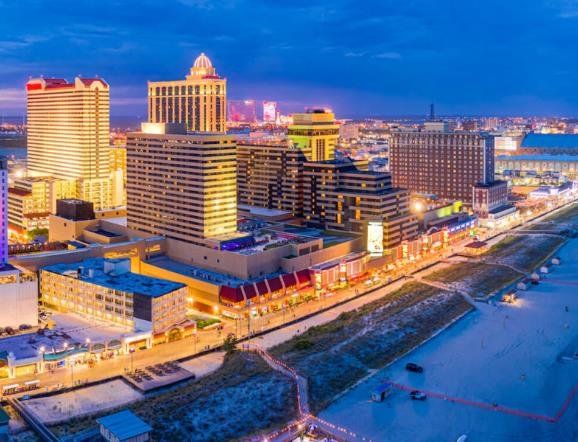
    A potential smoking ban in Atlantic City’s casinos may not be as financially damaging as previously anticipated. In a significant shift from its 2022 findings, Spectrum Gaming Group now believes that the economic repercussions of removing smoking from casino floors are less impactful than once thought.

    This reassessment follows evolving trends in both the gambling industry and societal behaviours. With fewer people smoking than in past years and casinos adapting to the needs of smokers in new ways, the anticipated harm to revenue appears to be much smaller.

    The Shift in Spectrum Gaming’s View

    Spectrum Gaming Group initially warned that implementing a smoking ban in Atlantic City’s casinos could result in thousands of lost jobs and millions in lost revenue. But their latest report, released last week, paints a different picture. It suggests that the economic impact of a smoking ban may be far less severe than expected.

    The shift is largely attributed to a change in both consumer habits and how casinos have adapted. As smoking rates have steadily declined in the United States, the demand for indoor smoking areas in casinos has decreased as well. Data from the American Lung Association reveals that the adult smoking rate in the U.S. dropped to 11.6% in 2022, a drastic reduction from over 20% in 2006. With fewer smokers to accommodate, casinos are seeing less resistance to the idea of a smoke-free environment.

    Moreover, the casino industry itself has evolved to meet the needs of both smokers and non-smokers. Many casinos in Atlantic City have already set up open-air gaming areas and outdoor patios where smokers can still enjoy their time at the tables. These efforts help maintain the overall casino experience for everyone while limiting the health risks associated with smoking indoors.

    The Broader Context: Changing Smoking Habits

    The decline in smoking rates across the U.S. has been a critical factor in this shift in perspective. The American Lung Association’s statistics indicate that, over the last 16 years, the number of smokers has more than halved. This significant reduction in smokers means that the number of casino patrons who would be directly impacted by a ban is relatively small.

    At the same time, the pandemic has reshaped how many people approach public spaces. The period of heightened health restrictions made many patrons more comfortable with the idea of outdoor, open-air spaces. People grew accustomed to adjusting their activities to comply with health protocols. Casinos that already offered outdoor spaces found that this change led to more acceptance of smoke-free gaming floors, even for those who still smoke.

    Key Points on Atlantic City’s Smoking Policies:

    • Declining Smoking Rates: U.S. adult smoking rate dropped to 11.6% in 2022, a major shift from 20% in 2006.

    • Adaptation by Casinos: Many casinos now offer open-air areas and patios for smokers.

    • Post-Pandemic Changes: Pandemic restrictions helped patrons adjust to non-smoking environments.

    • Less Economic Risk: Spectrum Gaming now estimates a smaller impact on jobs and revenue than initially feared.

    The Impact on Casino Revenue

    Despite the reduced smoking rates, the financial effects of a smoking ban in Atlantic City are still a topic of concern. The initial fear was that banning smoking indoors would drive away a significant portion of casino revenue, as smokers could potentially choose to avoid establishments that did not accommodate their habit. However, the most recent analysis suggests that this is no longer as much of a threat.

    Casinos have been able to implement a number of strategies that reduce the blow to their bottom lines. Offering smoking areas outside allows patrons to enjoy the outdoor air while still engaging with the casino’s offerings. Additionally, the decline in smoking means that the proportion of the casino’s clientele who would have been directly affected by a smoking ban is much smaller.

    Recent research from the American Gaming Association (AGA) supports Spectrum Gaming’s revised outlook. According to AGA’s data, most casino operators have seen a minimal decline in revenue following voluntary smoking bans, with some even reporting gains in patronage after introducing smoke-free floors. This is due, in part, to the fact that more people are becoming aware of the health risks associated with smoking, and many non-smokers prefer smoke-free environments.

    In fact, studies have shown that non-smokers often feel more comfortable in smoke-free casinos, which can lead to an increase in overall visitation and customer loyalty. Casinos that have taken proactive measures to provide comfortable outdoor smoking areas have been able to maintain their revenue streams while also catering to both smokers and non-smokers.

    Key Trends Supporting the Shift:

    • Minimal Revenue Impact: Most casinos that implemented voluntary smoking bans experienced limited or no revenue decline.

    • Health-Conscious Preferences: Non-smokers are more likely to visit and spend time at smoke-free venues.

    • Increased Customer Comfort: Outdoor smoking areas have helped accommodate smokers without disturbing non-smokers.

    Looking Ahead: What’s Next for Atlantic City’s Casinos?

    While Spectrum Gaming has adjusted its view on the economic impact of a smoking ban, the decision to implement such a policy still lies with lawmakers and individual casinos. The shift in opinion from earlier predictions of mass job losses and revenue declines is promising, but the future of Atlantic City’s casinos remains uncertain. The city’s casino operators will likely continue to monitor customer preferences and economic performance closely.

    Moving forward, the focus will likely shift to how casinos can continue to evolve in a way that meets the needs of all patrons. If the trend of declining smoking rates continues, it may make sense for Atlantic City’s casinos to gradually phase out smoking areas altogether. For now, the industry seems to be striking a balance between accommodating smokers and catering to non-smokers, ensuring that both groups enjoy a positive experience.

  • Aleksandr Shevliakov Triumphs at 2025 European Poker Tour Monte Carlo Main Event

    Aleksandr Shevliakov Triumphs at 2025 European Poker Tour Monte Carlo Main Event

    Russian IT worker Aleksandr Shevliakov has secured a dream victory at the 2025 European Poker Tour (EPT) Monte Carlo Main Event, winning the €5,300 no-limit hold’em tournament and bagging an impressive seven-figure payout. What makes his win even more remarkable is the fact that Shevliakov qualified for the event through a €530 buy-in online tournament hosted by PokerStars, underlining the rise of online qualifiers in major live poker events.

    With a prize of €1,000,000 ($1,130,000) in his pocket, Shevliakov’s victory marks a significant milestone in his poker career. The 37-year-old from Russia is no stranger to poker’s high-stakes environment but has never experienced a win of this magnitude. Prior to this, his largest score was $541,206, which he earned for a second-place finish in the €10,000 buy-in tournament at the 2023 EPT Paris. However, this new win has completely overshadowed his previous success, cementing his place as a poker force to be reckoned with.

    Shevliakov’s reaction was nothing short of ecstatic: “I won. It’s a dream come true. This is it,” he said, radiating the emotions of a man who has just achieved the pinnacle of his poker career.

    Record-Breaking Turnout at EPT Monte Carlo

    The 2025 EPT Monte Carlo event saw an impressive turnout, with 1,195 entries—a figure that ranks as the second-largest in the event’s two-decade history in Monaco. The only year to surpass this was 2024, when 1,208 players participated. The prize pool for this year swelled to $6,751,750, with the top 175 finishers sharing in the payout, creating an exhilarating atmosphere for both seasoned pros and rising stars alike.

    The immense turnout and subsequent prize pool have reaffirmed the European Poker Tour’s reputation as one of the premier poker tournaments in the world. In fact, the sheer size of the event played a crucial role in propelling Shevliakov to his newfound fame, as this win not only earned him a seven-figure payday but also earned him 1,920 Card Player Player of the Year (POY) points.

    Although this was his first POY-qualified score of 2025, it was a massive boost for Shevliakov, who is now well within the top 50 of the overall POY rankings—a significant achievement that will keep him in the spotlight as the year progresses.

    A Competitive Final Day

    The final day of the event began with six players remaining, and it was 28-year-old Bulgarian Boris Angelov who had the advantage, leading the final table. Angelov had been the runner-up in the 2024 Monte Carlo Main Event, and with the top stack heading into the final day, he was eager to capitalize on his previous experience and secure the elusive victory.

    However, it was Shevliakov’s calm under pressure and exceptional play throughout the event that ultimately saw him outlast Angelov and the rest of the competition. Angelov had to settle for a solid finish in fifth place, but his back-to-back final table appearances in Monte Carlo confirmed his status as one of the rising stars of the EPT.

    Star-Studded Field

    The 2025 EPT Monte Carlo Main Event was teeming with poker heavyweights, with several notable names running deep in the tournament. Four-time World Series of Poker bracelet winner Ari Engel made it to 34th place, while the highly regarded Jose ‘Nacho’ Barbero finished in 31st. Additionally, Spanish high roller Juan Pardo finished in 19th, and 2019 World Series of Poker Europe Main Event champion Alexandros Kolonias claimed 15th place.

    Their presence added to the prestige of the event and provided fans with plenty of exciting moments. Despite their impressive performances, however, it was Shevliakov who emerged victorious, proving that the tournament’s ultimate success can sometimes come from the most unlikely of qualifiers.

    Online Qualifier’s Growing Influence

    One of the most striking aspects of Shevliakov’s victory is the role that online qualifiers continue to play in the poker world. While live events are typically dominated by professional players with years of experience on the circuit, Shevliakov’s win shows that online platforms such as PokerStars are providing more opportunities for amateur players to qualify for big events and make a name for themselves in the live tournament scene.

    The continued growth of online poker is set to play an even more significant role in future poker tournaments, as it levels the playing field and opens up opportunities for players from around the world. Shevliakov’s victory serves as a testament to this trend, demonstrating that with the right skills, determination, and a bit of luck, anyone can win big—even if they come from humble beginnings as an online qualifier.

  • Penn Entertainment Reports $1.4 Billion in Q1 Revenue, Rebounding from Prior-Year Loss

    Penn Entertainment Reports $1.4 Billion in Q1 Revenue, Rebounding from Prior-Year Loss

    Despite missing Wall Street’s expectations for the first quarter, Penn Entertainment’s report signals progress, especially within its digital segment. The company posted first-quarter revenue of $1.4 billion on Thursday, a figure that fell short of the anticipated $1.7 billion. However, the reported numbers still demonstrate improvements, particularly when factoring in a year-over-year comparison.

    Weather and Sports Betting Results Weigh on Performance

    The company faced a few hurdles during the first quarter. Winter weather disruptions in January and February had a significant impact on performance, affecting revenue and overall growth. CEO Jay Snowden highlighted the challenges these weather events posed, noting that they negatively impacted adjusted EBITDAR by at least $10 million.

    Additionally, sports betting results did not meet expectations, contributing to a slower start to the year. While Penn Entertainment’s focus remains on its digital segment, these external factors created a drag on its performance.

    Still, there is a silver lining. “We’ve seen a positive trajectory within our digital platforms,” said Snowden. The company’s investments in ESPN BET and its online casino platforms are starting to show promise. The digital segment’s revenue reached $290.1 million, though the adjusted EBITDA loss of $89 million continues to be a point of concern. That being said, it represents a notable improvement from the previous year’s results.

    A Look at Digital Growth

    Despite the slower-than-expected start in Q1, Penn Entertainment remains optimistic about its interactive segment, which includes both sports betting and online casino businesses. This segment brought in $290.1 million in revenue, a substantial contribution to the overall results. The tax gross-up portion of the revenue—$128.2 million—was also notable.

    More importantly, the adjusted EBITDA loss of $89 million in the interactive segment marked a year-over-year improvement of $106 million. This shift shows that Penn’s efforts to bolster its digital platforms, particularly its foray into sports betting, are beginning to show signs of growth.

    • Key figures from Penn’s digital segment for Q1:

      • Revenue: $290.1 million (including tax gross-up of $128.2 million)

      • Adjusted EBITDA loss: $89 million

      • Year-over-year improvement in loss: $106 million

    These figures illustrate that the company’s digital strategy, despite ongoing challenges in sports betting, is gaining momentum and could prove vital for the company’s future growth.

    Financials: A Mixed Bag

    For Q1, Penn Entertainment reported an adjusted EBITDAR of $457 million, a crucial figure reflecting the company’s overall earnings before certain expenses, like depreciation and taxes. Though this was a solid performance, the company still faced a net loss of $0.25 per share, which was narrower than analysts’ expectations of a $0.29 per share loss. The loss also showed a significant improvement from last year’s $0.79 loss per share.

    These results speak to the volatility of the gaming and entertainment industry, with external factors—such as weather and underwhelming sports betting outcomes—playing a role in shaping the company’s financial performance. Even so, Penn’s ability to narrow its losses is a sign that its underlying business strategy is showing resilience.

    Snowden addressed the challenges candidly but remained upbeat about the company’s future. “The weather disruptions were tough, but we’re seeing signs of strong recovery within our interactive segment. Our investments in ESPN BET and the online casino platforms are beginning to pay off.”

    Looking Ahead: What’s Next for Penn Entertainment?

    Looking beyond the first quarter, Penn Entertainment has set its sights on further growth in its digital platforms. The gaming giant’s ventures into sports betting and online casinos have the potential to redefine its future in the industry. With a shifting focus towards interactive experiences, the company is positioning itself to meet growing consumer demand for online and mobile gaming.

    However, some uncertainties remain. Winter weather disruptions aside, the sports betting market is incredibly competitive, and maintaining profitability in this segment will require constant innovation. Penn Entertainment is betting on its ESPN BET platform to drive future success in the space, but only time will tell if it can maintain its digital growth trajectory.

    For now, Penn remains cautiously optimistic. The company’s recent earnings call highlighted that it would continue to focus on bolstering its digital presence, with further investments planned in both the sports betting and online casino verticals.

  • Atlantic City Casinos Contribute Record $572 Million in Tax Revenue Despite Slight Profit Dip

    Atlantic City Casinos Contribute Record $572 Million in Tax Revenue Despite Slight Profit Dip

    Atlantic City’s casino industry continues to prove its significance to New Jersey’s economy, contributing an impressive $572 million to the state’s Casino Revenue Fund in fiscal year 2024. However, despite this substantial tax contribution, the industry saw a minor dip in overall profits, according to a report released by Stockton University’s Lloyd D. Levenson Institute of Gaming, Hospitality & Tourism (LIGHT) and the Casino Association of New Jersey (CANJ).

    The “2024 Impact: Atlantic City Casino Industry” report provides a comprehensive look into the casino sector’s financial performance, showing both challenges and strengths in the current economic climate.

    Record Tax Contributions Despite Lower Profits

    The latest data revealed that Atlantic City’s nine casinos generated a total of $883.2 million in taxes and fees during 2024, marking an 11% increase from the previous year. This boost is a reflection of the resilience of the sector, even as casinos faced a slight dip in profits due to various market conditions.

    The gross gaming tax revenue, which is the primary source of funding for the state’s Casino Revenue Fund, saw a remarkable 15.4% rise, reaching $538.43 million. The tax money is not only vital for state finances but plays an integral role in funding programs that support vulnerable populations in New Jersey.

    How Atlantic City’s Tax Revenue Benefits New Jersey

    The taxes collected from the casino industry are allocated to several key programs that benefit both seniors and individuals with disabilities across the state. The largest portion of these funds, a total of $541 million, is directed toward housing programs for people with developmental disabilities. These funds help ensure that some of the state’s most vulnerable populations receive the support they need for safe and accessible living conditions.

    In addition to housing, the Casino Revenue Fund also supports a wide range of other essential services:

    • $17 million for senior services, ensuring that elderly residents receive the care and assistance they deserve.

    • $5 million for pharmaceutical assistance programs, easing the financial burden of prescription medications for those in need.

    • $4 million for personal assistance services, providing help with day-to-day tasks for individuals with disabilities.

    These allocations show the tangible, life-improving impacts of the taxes generated by Atlantic City’s casinos, illustrating how the gambling industry plays a vital role in maintaining social welfare programs.

    Dip in Profits Reflects Wider Trends in the Casino Industry

    While the tax contributions are impressive, the report also highlighted a slight decrease in casino profits for 2024. Gross gaming revenue dipped in some areas, particularly in non-gaming amenities like hotel bookings and food and beverage sales.

    The decrease in overall profits is partly attributed to increased competition from neighbouring states, which have seen a rise in their own casino revenues. Additionally, shifts in consumer spending and economic uncertainty have made it more difficult for Atlantic City to maintain its once booming profits.

    Despite the minor dip in profitability, the tax revenue figures demonstrate that Atlantic City’s casinos continue to be major contributors to the state economy, and their economic importance far outweighs the decline in profits.

    Atlantic City Casinos and Future Growth

    Looking ahead, the outlook for Atlantic City’s casino industry is cautiously optimistic. The report suggests that despite facing stiff competition, the region’s casinos remain integral to New Jersey’s tourism and entertainment landscape. Additionally, the increasing popularity of online gambling and sports betting may help mitigate some of the negative impacts on traditional casino revenue streams.

    Industry leaders, such as Jane Bokunewicz, faculty director at LIGHT, continue to stress the importance of the Casino Revenue Fund, particularly its impact on funding services for seniors and those with disabilities. Bokunewicz commented that the taxes generated by the casinos support crucial programs, helping to “ensure the continued well-being of New Jersey residents.”

    For now, the focus remains on stabilising the casino industry and ensuring it can adapt to changing trends, such as the growth of online gaming and shifting consumer preferences.

    A Vital Economic Pillar

    Despite the slight dip in profits, Atlantic City’s casinos are undeniably one of the most important contributors to New Jersey’s economy. The sector provides thousands of jobs and generates significant tax revenue that supports social welfare programs across the state.

    In addition to its role in local government funding, the casino industry remains an essential player in New Jersey’s tourism economy. With ongoing efforts to adapt and grow, the casino industry’s ability to innovate and contribute to the state’s economy seems poised to remain strong, even as market conditions continue to evolve.

  • Accel Entertainment Marks Illinois Expansion with Fairmount Park Casino Launch

    Accel Entertainment Marks Illinois Expansion with Fairmount Park Casino Launch

    Accel Entertainment, Inc. has reached a significant milestone in its expansion into Illinois’ gambling market with the grand opening of its first casino. The Fairmount Park Casino & Racing, located at the Fairmount Park Racetrack in Collinsville, Illinois, welcomed its first guests on April 18, 2025. This exciting development not only brings casino gaming to the heart of the racetrack but also coincides with the track’s landmark 100th anniversary season, making it a truly special moment for both racing enthusiasts and gamblers alike.

    Accel Entertainment, known for its expertise in gaming and entertainment, has now brought its services to the historic Fairmount Park Racetrack, marking a big leap into the racino sector. With the launch of the new casino, it promises to reshape the entertainment landscape in the region, blending the thrill of horse racing with the excitement of modern gaming.

    The New Fairmount Park Casino

    The newly opened Fairmount Park Casino & Racing is a state-of-the-art facility spanning 12,000 square feet. It combines everything a traditional casino has to offer with the unique charm of horse racing. Accel’s decision to invest in this venue seems to be a well-thought-out one, especially with Illinois’ burgeoning interest in the gaming industry. The casino has quickly become a focal point of attention in the St. Louis metropolitan area, thanks to its central location and diverse range of gaming options.

    Inside the casino, visitors will find a broad selection of slot machines and electronic table games. The layout and design aim to create a welcoming, easy-to-navigate environment where both seasoned casino-goers and newcomers can enjoy their favorite games. Additionally, the casino has ramped up its offerings with new food concessions, ensuring that patrons can enjoy a variety of dining options while trying their luck at the gaming tables.

    The launch of the Fairmount Park Casino is not just about gaming, though. It represents a significant boost to the local economy, creating new jobs, driving tourism, and revitalizing the area surrounding Fairmount Park Racetrack.

    A Milestone Year for Fairmount Park Racetrack

    This opening coincides perfectly with another major event: the 100th anniversary of Fairmount Park Racetrack. Established in 1925, the racetrack has long been a staple in the local community, hosting generations of fans who have come to appreciate the rich history and tradition of horse racing.

    To celebrate its centennial season, the racetrack is gearing up for a grand opening on April 22, 2025, with a skydiving display that will set the stage for the first race at 1:30 p.m. The opening day promises to be an unforgettable celebration of the racetrack’s century-long legacy, and the launch of the casino adds even more excitement to this historic occasion.

    The new casino brings a fresh dimension to the Fairmount Park experience, offering visitors the chance to enjoy a variety of entertainment options. Whether you’re a horse racing fan or someone who enjoys the thrill of casino gaming, the Fairmount Park Racetrack is positioning itself as a must-visit destination in the region.

    Upgrades and Modernization at Fairmount Park

    Accel Entertainment has not only introduced a casino but also significantly upgraded the racetrack’s infrastructure. The company invested in extensive renovations aimed at enhancing the experience for both horse racing fans and casino patrons. These improvements are designed to modernize the facility, bringing it up to par with other major racetracks and casinos across the country.

    The upgrades come at an opportune time, as the Fairmount Park Racetrack enters its centennial season. This blend of history with modern amenities ensures that the track continues to be a competitive player in the market, attracting a new generation of horse racing fans and casino enthusiasts.

    Key upgrades include enhanced seating areas, revamped viewing platforms, and modernized amenities that improve comfort and accessibility for visitors. Additionally, Accel has worked hard to ensure that the racetrack’s racing infrastructure is not only state-of-the-art but also able to accommodate future growth. The focus is on creating an experience that appeals to both traditional racing fans and those who may be more interested in the casino gaming side of things.

    Looking Ahead: The Future of Fairmount Park Casino & Racing

    Looking to the future, Accel Entertainment plans to continue expanding its footprint in the Illinois gaming market. The company’s entry into the racino business is just the beginning of what it hopes will be a long and prosperous venture in the state. Fairmount Park Casino & Racing is seen as a pivotal piece of Accel’s broader strategy to provide diverse entertainment options across the region.

    The launch of the casino and the racetrack’s 100th anniversary celebration are expected to draw thousands of visitors throughout the season. For both Accel and Fairmount Park, the timing couldn’t be better. As Illinois continues to see growth in the gaming and tourism industries, this new venue could become a central hub for both locals and visitors looking for a mix of high-energy entertainment and thrilling horse racing.

    The opening of the Fairmount Park Casino, along with its grand racing season debut, marks an exciting new chapter for the racetrack. It’s a sign that both the past and the future are blending seamlessly, creating a unique destination that draws on tradition while embracing innovation.

  • FanDuel Keeps its Stronghold in U.S. Sports Betting, But Smaller Rivals Are Catching Up

    FanDuel Keeps its Stronghold in U.S. Sports Betting, But Smaller Rivals Are Catching Up

    FanDuel has once again maintained its position as the leader in the U.S. sports betting and iGaming market, marking its sixth consecutive month atop the rankings. This dominance is evident across various metrics, but smaller competitors are gradually gaining ground, according to a new report from investment firm Jefferies.

    FanDuel, which is a part of Flutter Entertainment, continues to lead the pack, outperforming its competitors in key areas like search interest, web traffic, and engagement. Data from Google Trends, ListenFirst, and Sensor Tower highlight how the company has built and sustained its significant presence in the industry. However, the competition is intensifying, with companies like DraftKings and BetMGM consistently narrowing the gap.

    FanDuel’s Continued Dominance

    FanDuel has maintained its grip on the U.S. market thanks to several key factors. With a user-friendly platform and consistent innovation, the brand has managed to secure a loyal customer base. According to Jefferies’ report, the sports betting giant has been the most-searched and engaged sportsbook across all major digital metrics, including web traffic, app downloads, and social media interactions.

    • Google Trends Data: FanDuel outpaces its competitors in terms of search interest, reflecting strong consumer curiosity and loyalty.

    • Web Traffic and App Downloads: Data from Sensor Tower confirms FanDuel’s lead in app downloads, signaling the continued popularity of its platform.

    • Social Media Engagement: FanDuel has garnered more social media attention than its competitors, further solidifying its position in the market.

    Even though the company has managed to stay ahead in terms of these digital indicators, other sportsbooks are making their presence felt.

    The Rising Threat of Smaller Rivals

    While FanDuel’s dominance is hard to ignore, smaller competitors like DraftKings and BetMGM are steadily gaining ground. DraftKings, which ranks second on the list, has continued to expand its customer base by offering diverse betting options and promotions. Meanwhile, BetMGM, which secured the third spot, has benefitted from strong partnerships, including its prominent role in the casino industry.

    Other smaller players are also seeing improvements in their rankings, suggesting that FanDuel may not have an easy road ahead. Companies such as bet365, Penn Entertainment’s ESPN Bet, and Rush Street Interactive’s BetRivers have been increasing their market share through strategic marketing campaigns and competitive offers.

    DraftKings, in particular, has been able to drive traffic with aggressive advertising campaigns. Its constant focus on innovation has made it a formidable competitor. Though it lags behind FanDuel in some digital metrics, the gap is narrowing, and many industry insiders are keeping a close eye on its potential for growth.

    A Diverse Top Ten Landscape

    The U.S. sports betting market remains highly competitive, with FanDuel at the top, but other sportsbooks making significant strides. According to Jefferies’ report, the top ten sportsbooks in the market include well-known names like DraftKings, BetMGM, and Caesars Sportsbook & Casino, as well as emerging players like Fanatics Sportsbook and Hard Rock Casino.

    The full list of the top ten sportsbooks, based on digital momentum, includes:

    • FanDuel (1st)

    • DraftKings (2nd)

    • BetMGM (3rd)

    • bet365 (4th)

    • ESPN Bet (5th)

    • BetRivers (6th)

    • Bally’s (7th)

    • Hard Rock Casino (8th)

    • Fanatics Sportsbook (9th)

    • Caesars Sportsbook & Casino (10th)

    Despite FanDuel’s lead, these competitors are slowly eating into the market share. Whether through digital engagement or better promotional strategies, many of these sportsbooks are working hard to catch up with the leader. For consumers, this creates more choices and competitive offers, further heating up the battle for supremacy.

    The Digital Metrics That Matter

    The Jefferies report doesn’t just focus on traditional market share but on important digital metrics, providing a glimpse of where the industry is heading. Metrics such as app downloads, social media interactions, and search interest provide valuable insights into the success of a sportsbook.

    For example, when comparing web traffic, FanDuel significantly outperforms its closest competitors. The same trend is visible with app downloads. However, it’s crucial to note that BetMGM and DraftKings have been closing the gap, particularly in key regions where advertising dollars have been directed.

    These metrics aren’t just numbers—they show how effectively sportsbooks are engaging with potential customers. It’s not just about offering a product; it’s about staying relevant, keeping consumers interested, and driving them to open the app or website.

  • Thailand Hits Pause on Casino Legalization Bill After Cabinet Talks

    Thailand Hits Pause on Casino Legalization Bill After Cabinet Talks

    Thailand’s high-stakes plan to introduce legal casino resorts has been put on hold—at least for now. Prime Minister Paetongtarn Shinawatra confirmed Tuesday that the much-discussed Entertainment Complex Bill wouldn’t be heading to Parliament as planned this week.

    It’s not off the table, just not on it right now. The decision comes amid fresh conversations within the coalition government and signals a shift in focus to other pressing national issues, according to Shinawatra.

    A surprising turn after signs of momentum

    Just a day before the official announcement, optimism around the bill seemed to be growing. Deputy Finance Minister Julapun Amornvivat went as far as telling The Nation that he believed the legislation was “likely” to make it through the first reading.

    Two days later, it’s a different story.

    This isn’t a full stop, though. The bill hasn’t been withdrawn. It’s just been pushed back. And as political watchers in Bangkok know, delay often means something else is going on behind the scenes.

    Some say it’s strategic. Others say it’s just politics as usual.

    A bill years in the making… and still waiting

    The push to legalize casinos in Thailand isn’t new. For years, lawmakers, economists, and business groups have floated the idea of turning the country into a regional hub for legal gambling, especially to compete with neighbors like Singapore and the Philippines.

    But Thailand has always had a complicated relationship with gambling. It’s technically illegal under the Gambling Act of 1935, apart from state-run lotteries and horse racing. Still, underground betting is rampant, and enforcement is, well, spotty.

    So the proposal to bring gambling into the daylight through “entertainment complexes” was seen by some as both inevitable and overdue.

    Now, it’s hanging in limbo—again.

    Why the delay? A mix of reasons, some spoken, others not

    There’s no single reason the bill was shelved. But here’s what we know—or think we know:

    • Coalition leaders are reportedly not aligned on the scope and structure of the bill.

    • Social backlash from religious and conservative groups has grown louder in recent weeks.

    • Internal disagreements about who would regulate and benefit from such massive projects.

    Behind closed doors, coalition parties are weighing the optics. This government—just months into its term—is trying to show strength and unity. Pushing a casino bill while people are still talking about inflation and household debt? Maybe not the best look.

    The economic case still stands strong

    Supporters of the bill, especially those in business and tourism sectors, argue the numbers speak for themselves.

    In 2023, Thailand welcomed over 28 million international tourists, still below pre-pandemic levels. The government has been hungry for ideas to boost visitor numbers and diversify tourism offerings.

    Legal casino resorts, they say, could do just that. And more.

    Here’s a look at what Thailand stands to gain if the bill goes ahead:

    Benefit Category Potential Impact
    Tax Revenue Estimated $2.7 billion annually
    Jobs Created Up to 250,000 direct and indirect positions
    Tourist Spending Could increase by 15–20% yearly
    Infrastructure Incentivizes urban development near casino zones

    So yeah, there’s a lot on the table.

    Public opinion: divided but curious

    Talk to people in Bangkok and you’ll get mixed answers.

    Some are totally against it. They worry about addiction, crime, and corruption. Others, especially younger urban residents, shrug and say it’s about time Thailand caught up with the rest of Southeast Asia.

    One person’s vice is another’s vacation package.

    According to a poll by Suan Dusit Rajabhat University in March, 56% of respondents said they were “open” to legalized casino resorts if proper regulations were in place. About 30% were strongly opposed, while the rest were undecided or indifferent.

    Only one sentence here.

    It’s a cultural issue as much as it is a political one.

    Shinawatra’s tightrope walk

    For Paetongtarn Shinawatra, this is about more than just casinos. It’s about managing a coalition, maintaining momentum, and not making waves too early in her tenure.

    Her Pheu Thai Party came to power promising economic growth and social stability. Legal gambling could deliver one. It might disrupt the other.

    So she’s balancing.

    Pushing too hard on something like this could cost her credibility with rural voters and more conservative supporters. And in a country where coalitions are often fragile, every move counts.

    What happens next?

    Honestly, it’s a bit of a waiting game.

    The government hasn’t set a new date for when the bill might resurface. Some insiders say it could be a matter of weeks; others think it might not come back until next year’s legislative session.

    Still, don’t count the bill out. There’s too much money, too much lobbying, and too much interest for it to just vanish.

    Whether or not it moves forward this year, it’s clear the debate over legal gambling in Thailand is far from over.

  • Oklahoma Sports Betting Bill Yanked at Last Minute, Delaying Legalization Effort Again

    Oklahoma Sports Betting Bill Yanked at Last Minute, Delaying Legalization Effort Again

    A vote on legalizing mobile sports betting in Oklahoma was suddenly called off Monday, just hours before lawmakers were expected to take it up. It’s the latest stumble in a years-long push to bring the state in line with the national betting boom—and tensions are flaring.

    The bill had already squeaked through the Senate and was set for review by a House budget subcommittee. Instead, it vanished from the day’s agenda with no public explanation. Insiders aren’t shocked, but the timing raises eyebrows.

    Tribes Want In—But Only If They’re Leading

    This isn’t just about gambling. It’s about who gets to control it.

    Oklahoma’s 30+ tribes run most of the state’s casinos under compacts that give them exclusive rights. That exclusivity? It’s a big deal. Many tribal leaders say they’re not against sports betting at all—but they want to keep that edge.

    Some of the current bill’s supporters say it strikes a middle ground: it would let tribes offer mobile sports betting, but only on tribal lands. That includes a wide swath of the state like Tulsa and parts of Oklahoma City.

    One source close to a tribal gaming operator summed it up: “We’re not trying to stop progress—we just want fair terms. We’ve invested in Oklahoma for decades.”

    Stitt Not Backing Down

    Governor Kevin Stitt has been at odds with tribal nations for years. He’s not shy about it either.

    He’s made it clear: he’ll veto any bill that limits sports betting to tribal operators. Stitt wants an open market—think tribes, commercial sportsbooks, racetracks, and even the state lottery all in the mix.

    And he’s not bluffing. The governor has already promised to kill not just this bill, but two others under review unless lawmakers broaden the playing field.

    His argument? Competition is good for business. More players means more revenue, more jobs, more access for everyone.

    But that’s not how tribes see it. One tribal representative called it “a modern land grab, just digital this time.”

    Bill’s History Shows a Rocky Path

    This isn’t the first time Oklahoma has flirted with sports betting. And it probably won’t be the last.

    Since the U.S. Supreme Court struck down the federal ban in 2018, more than 30 states have legalized some form of sports betting. Oklahoma’s been inching toward it—but every attempt has hit roadblocks.

    Lawmakers tried to include sports betting in broader gaming discussions back in 2020. That effort collapsed after Stitt signed unauthorized compacts with a few tribes, triggering lawsuits and confusion.

    Fast forward to 2023, a similar bill reached the House floor but never made it to a vote. This year looked different—until Monday’s surprise pull.

    Some suspect backroom politics played a role. Others say lawmakers just didn’t have the votes.

    What’s at Stake

    There’s a lot of money on the table here.

    Experts say legal mobile sports betting could bring in tens of millions in tax revenue annually. States like New York and Pennsylvania have already seen huge payouts.

    A breakdown of what Oklahoma might be looking at:

    Category Estimated Annual Revenue
    Tax Revenue (State) $20M–$35M
    Tribal Revenue (Net) $150M–$200M
    Job Creation (Statewide) 500–800 new positions
    Market Size (First Year) $800M–$1B in bets

    But it’s not just cash. It’s political leverage, too. If tribes get full control of mobile betting, it could reshape their relationships with the state for decades.

    Lawmakers Caught in the Middle

    State representatives are getting whiplash.

    On one hand, there’s growing public support. Sports betting is already happening—just illegally or through offshore apps. Legalizing it could clean things up and give the state a cut.

    On the other hand, no one wants to poke the bear—especially not both bears. Tribes and the Governor each hold serious sway in Oklahoma politics. Lawmakers know it.

    One Republican lawmaker said, “I’m in favor of legal betting. But not if it means blowing up the compact system we’ve had for 20 years.”

    Another Democrat put it bluntly: “The politics of this are a mess.”

    What Comes Next? No One’s Sure

    For now, the bill’s in limbo. Technically, it could be revived later in the session. But the odds? Let’s just say, not great.

    Lawmakers have until late May to get something passed. But with tribes dug in and the Governor drawing red lines, it’s hard to see a clear path.

    And so, Oklahoma stays on the sidelines—while bettors just cross state lines or fire up VPNs to place their bets.

    One lobbyist familiar with the process joked, “We’re betting on betting. And right now, we’re losing.”

  • Station Casinos Eyes Bigger Sportsbook Presence With Strategic Nevada Expansion

    Station Casinos Eyes Bigger Sportsbook Presence With Strategic Nevada Expansion

    Station Casinos is getting ready to plant deeper roots in Nevada’s sports betting landscape — this time adding the Las Vegas Strip to its footprint.

    The company confirmed Thursday it’s teaming up with Mesquite Gaming LLC and Treasure Island Las Vegas to take over sportsbook operations at three properties: Casablanca Resort & Casino, Virgin River Casino & Lodge, and Treasure Island. The move signals a significant expansion of Station’s STN Sportsbook brand, putting it in front of more tourists and locals alike.

    It’s not just a branding move. The partnerships would operate under a revenue-sharing agreement, pending regulatory approval.

    A New Chapter for Station — And the Strip

    Until now, Station Casinos has largely focused on locals casinos, staying off the Strip. That changes with Treasure Island.

    This isn’t just a box-checking exercise. Treasure Island is a major property. Sitting on prime real estate along Las Vegas Boulevard, the venue attracts both sports bettors and casual gamblers by the thousands.

    Virgin River and Casablanca, both in Mesquite — a quieter, out-of-the-way Nevada town near the Arizona border — are a different story. But they have loyal followings, and their sportsbooks keep a steady pulse. By stepping in, Station is diversifying its base while keeping one foot firmly in the locals’ market.

    It’s a big play. A smart one, too.

    Regulatory Green Light? We’ll Know Soon

    This isn’t a done deal yet — not officially. The Nevada Gaming Control Board is scheduled to go over the licensing applications on April 10. If they like what they see, the matter moves to the Nevada Gaming Commission for final approval on April 24.

    Things could move fast from there.

    A Station Casinos spokesperson said they’re not putting out a timeline yet. Details about financial terms? Still under wraps. That’s typical in deals like this. But behind closed doors, talks are reportedly smooth.

    One sentence from a spokesperson summed it up: “We’ll share more when the time is right.”

    Revenue Sharing: A Mutually Beneficial Bet

    Here’s where it gets interesting — the revenue-sharing model.

    Rather than buying out operations or taking over fully, Station Casinos is opting for a shared approach with Mesquite Gaming and Treasure Island. That means the current casino operators keep a slice of the pie while Station steps in with the tech, infrastructure, and branding.

    Here’s how the current setup looks:

    Property Current Operator Proposed Sportsbook Partner Location
    Casablanca Resort & Casino Mesquite Gaming LLC Station Casinos (STN) Mesquite, NV
    Virgin River Casino & Lodge Mesquite Gaming LLC Station Casinos (STN) Mesquite, NV
    Treasure Island Las Vegas In-house operation Station Casinos (STN) Las Vegas Strip

    This kind of structure helps everyone hedge their bets — especially in a market that’s increasingly competitive.

    Why This Move Matters

    Station’s STN Sportsbook platform has been gaining traction, but it’s largely operated from Station’s own properties — Red Rock, Green Valley Ranch, and others sprinkled throughout the Las Vegas Valley.

    So what’s the big deal about these three new venues?

    Here’s what this move brings:

    • A fresh entry point into the Strip without building from scratch

    • A testbed in Mesquite to fine-tune operations outside the Vegas metro

    • Broader brand visibility for STN Sports in high-traffic areas

    This isn’t just about expansion — it’s about adaptability.

    The Strip has always been a tougher nut to crack for Station. With Treasure Island, they finally break through — without having to build a new casino or make a huge upfront capital investment.

    Bigger Picture: A Hot Sportsbook Market

    Let’s zoom out for a second.

    Nevada’s sportsbook scene has seen a shakeup over the past five years. With more U.S. states legalizing sports betting, competition is fierce. Local operators like Circa Sports and William Hill have been jockeying for control, especially in the mobile betting space.

    But Station is playing the long game. They’ve been upgrading their STN Sports app, leaning into live betting, and adding prop bets. This expansion could help them grab a larger piece of the pie without overstretching.

    One insider familiar with the talks said Station isn’t stopping here. “They’re going to test this, see how it performs, and then think bigger.”

    What’s Next?

    No one’s saying this out loud yet, but if this rollout goes well, don’t be surprised if Station looks for more deals — possibly even outside of Nevada. They’ve been known to move quietly, then strike big.

    For now, it’s all eyes on April 10 and April 24. If the regulators give the thumbs up, expect STN branding to start popping up at these casinos shortly after.

    And then? The race continues.

  • Ireland Signals a New Gambling Era as Regulator Opens Pre-Licensing Phase

    Ireland Signals a New Gambling Era as Regulator Opens Pre-Licensing Phase

    Ireland is stepping into a new chapter for gambling oversight, with the regulator officially opening the doors—kind of. While the full licensing system isn’t live yet, the Gambling Regulatory Authority of Ireland (GRAI) is calling on gambling businesses to raise their hands early.

    The move is seen as a significant milestone under the new Gambling Regulation Act 2024. And while it’s not exactly a free-for-all yet, it’s a clear sign that the country is gearing up to rein in what’s been a loosely monitored sector.

    A Survey That Actually Matters

    GRAI’s March 27 announcement wasn’t just bureaucratic fluff. It marked the first tangible step toward what could be one of the biggest shifts in Ireland’s gambling landscape in decades.

    The authority is asking prospective operators and suppliers—both local and international—to fill out a pre-registration survey. That might sound minor, but it’s not. It’s the groundwork that’ll shape how the licensing rollout unfolds later this year.

    The goal? Gather data. Lots of it.

    One-sentence pause here.

    The survey asks operators to state what kind of license they’re interested in, giving GRAI a clearer picture of demand, diversity, and scope of the upcoming applications. In turn, that helps the authority prepare systems, people, and processes.

    • Applicants are encouraged to outline interest in categories like betting, online gaming, or retail operations.

    Anne-Marie Caulfield, GRAI’s chief executive, said earlier this month that they’re on track to open betting license applications—both online and land-based—by the end of the year. From there, it’s a staggered rollout: online gaming in early 2026, and more license types extending through 2027.

    The Act That Changed the Rules

    Let’s rewind a little. The push to regulate gambling in Ireland isn’t exactly new, but progress has been glacial—until now.

    The Gambling Regulation Act 2024 was passed with the aim of creating a comprehensive legal structure. Before this, oversight was fragmented across several agencies, leaving glaring loopholes—especially in the online sphere.

    In short: the Wild West days are winding down.

    Now GRAI has the legal power to issue licenses, enforce rules, and even revoke access to the market if operators don’t toe the line. The only exception? The national lottery, which still operates under its own system.

    This legal overhaul is part of a broader government strategy to put consumer safety front and center. Ads targeting minors, exploitative tactics, and unregulated online platforms are all in the crosshairs.

    One small sentence here.

    And the timing isn’t random. Ireland, like much of Europe, has seen gambling revenues surge post-pandemic—particularly in digital markets. That growth has brought scrutiny.

    Why Operators Should Care Now

    Sure, the actual licenses won’t be handed out tomorrow. But for anyone hoping to do business in Ireland’s gambling sector, this is the time to act. Delaying interest could mean losing competitive edge—or worse, not being ready when the doors open.

    By registering early, operators get plugged into ongoing communications from GRAI. That means access to updates, clarifications, and early insights into what the authority is prioritizing.

    And here’s where it gets real.

    Failing to pre-register doesn’t block you from applying later. But it does leave you a few steps behind those who are already on GRAI’s radar.

    In a landscape where timing is everything, being a latecomer isn’t ideal.

    What’s Next in the Timeline?

    Things are moving in phases. And Caulfield’s comments to iGB give us the clearest breakdown yet of how the licensing rollout is structured:

    Phase Type of License Estimated Launch
    1 Betting (online & retail) Late 2025
    2 Online gaming Early 2026
    3 Other license types 2026–2027

    Each phase is expected to come with its own set of criteria, technical standards, and enforcement protocols. So, yeah, operators will need to stay agile.

    Short sentence, again.

    What’s not fully clear yet is how strict the enforcement will be for unlicensed operators once the system is live. But based on regulatory models elsewhere, it’s safe to say the days of looking the other way are over.

    The Big Picture: A More Controlled Market

    From a business perspective, Ireland’s new licensing approach could mean more stability. Operators who play by the rules will benefit from a level playing field. And consumers? They get more protection from shady practices that have flown under the radar for too long.

    Of course, it’s not all smooth sailing.

    Smaller players may find the new regulations resource-intensive. There are concerns about compliance costs, paperwork overload, and the learning curve involved.

    One-sentence paragraph.

    Still, the benefits are hard to ignore. The legal clarity alone gives companies better footing for long-term planning.

    And for GRAI, this early registration step is about laying the foundation right. Understanding the market before flipping the switch on licensing is a smart, data-led move.

    That said, the real test will be execution.