Category: Casino

  • MGM China Hits Fourth Straight Win in Hang Seng Sustainability Index

    MGM China Hits Fourth Straight Win in Hang Seng Sustainability Index

    MGM China just locked in its spot on a top sustainability list for the fourth year running, proving green moves pay off big in the casino world. This nod highlights how the company is leading Macau’s push for eco-friendly resorts, but what specific steps got them there? Dive in to see the details shaking up the industry.

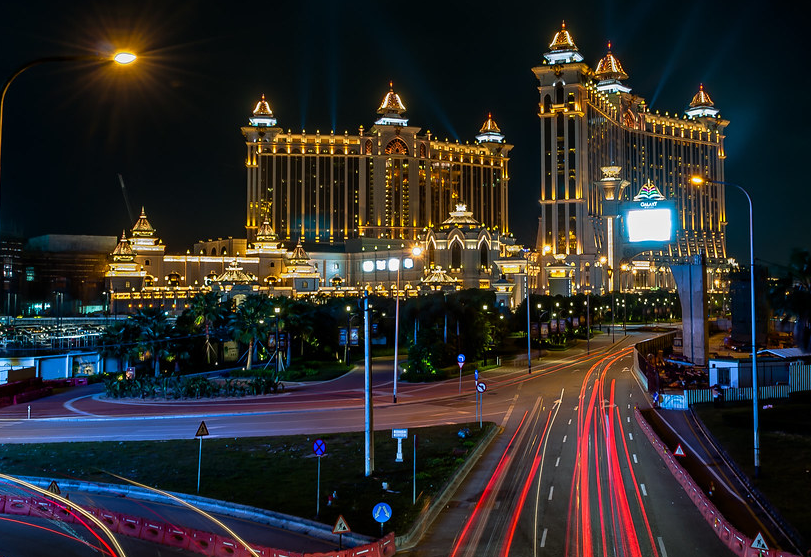
    MGM China Holdings Limited has earned a place in the Hang Seng Corporate Sustainability Benchmark Index for the fourth year in a row. This makes it the only integrated resort operator in Macau to feature in both this index and the Hang Seng ESG 50 Index. The company snagged an A rating in the latest sustainability check, ranking it among the top 50 ESG performers out of about 500 listed companies.

    This achievement underscores MGM China’s deep commitment to environmental and social goals. Leaders at the firm say sustainability is baked into their core operations. Kenneth Feng, president and executive director, called it a proud moment that shows their focus on innovation and community care.

    The Hang Seng Corporate Sustainability Benchmark Index picks only the top 20 percent of companies based on strong performance in key areas. These include corporate governance, human rights, labor practices, environment, fair operating practices, consumer issues, and community involvement. MGM China’s consistent inclusion signals steady progress in these fields.

    That progress includes real actions like switching all properties to clean natural gas.

    Key Moves Driving Sustainability Success

    One big step forward is MGM China’s full shift to clean natural gas across its sites. This cuts down on harmful emissions and sets a new standard for energy use in Macau’s bustling resort scene. Both MGM Macau and MGM Cotai resorts now hold WELL Health-Safety and WELL Equity ratings, which focus on safe and fair spaces for guests and staff.

    The company also rolled out AI tech to tackle food waste. Their Winnow Vision AI+ system tracks waste in real time, boosting efficiency and reducing what ends up in landfills. These tools show how tech can make daily operations greener without slowing down the fun.

    Feng noted this recognition affirms their push for a resilient future in Macau and the Greater Bay Area. He stressed ongoing efforts to lead in responsible practices.

    Experts say such ratings matter because they attract investors who value ESG factors. In a 2024 report from Hang Seng Indexes, companies with high sustainability scores often see better stock performance over time. MGM China’s streak could draw more eyes to Macau’s gaming sector as it rebounds post-pandemic.

    Broader Impact on Macau’s Economy

    Macau’s economy relies heavily on tourism and gaming, and sustainability is becoming a key player in its growth. With visitor numbers climbing back to 9.9 million in the first quarter of 2025, according to local reports, green initiatives like MGM’s help draw eco-conscious travelers. This not only boosts revenue but also supports jobs in a region hit hard by past slowdowns.

    The Hang Seng indexes assess firms on real-world impact. For MGM China, that means balancing profit with planet-friendly choices. Their efforts align with China’s broader goals, like the 14th Five-Year Plan from 2021 to 2025, which pushed for green transformations and better air quality nationwide.

    Here’s a quick look at MGM China’s standout sustainability feats:

    • Full switch to clean natural gas for lower emissions.
    • AI-driven food waste reduction saving resources.
    • WELL certifications ensuring health and equity in resorts.
    • Consistent top ratings in governance and community work.

    These steps show how one company can influence an entire industry.

    Sustainability isn’t just a buzzword here. It directly affects how resorts operate amid global calls for climate action.

    Challenges and Future Outlook

    Even with these wins, challenges remain. The gaming industry faces scrutiny over energy use and waste, especially in a dense spot like Macau. MGM China must keep innovating to stay ahead, as competitors ramp up their own green efforts.

    Looking ahead, analysts predict more firms will chase these indexes. A September 2025 update from Hang Seng showed upgrades for several Chinese companies, signaling a trend toward stronger ESG focus. For MGM China, maintaining this streak could mean expanded partnerships and investments.

    The company’s leaders plan to build on this momentum. They aim to lead in shaping a sustainable future for the region.

    In the end, MGM China’s fourth straight year in the Hang Seng Sustainability Index marks a powerful step forward for green practices in Macau’s resort world. It shows how blending business smarts with eco-care can create lasting wins, inspiring others to follow suit and building hope for a cleaner, fairer industry.

  • Ainsworth Game Technology Debuts in UK with Hippodrome Casino Deal

    Ainsworth Game Technology Debuts in UK with Hippodrome Casino Deal

    Ainsworth Game Technology just sealed a groundbreaking partnership with London’s iconic Hippodrome Casino, marking its first foray into the UK market. This move brings fresh slot cabinets and games to British players, shaking up the competitive gaming scene. But what does this mean for casino fans and the industry’s future?

    Partnership Kicks Off Ainsworth’s UK Presence

    Ainsworth Game Technology has teamed up with The Hippodrome Casino to launch its products in the UK for the first time. The agreement involves distributor World Gaming Tech, which helps bring Ainsworth’s latest cabinets and game lineup to the casino floor in London’s bustling Leicester Square.

    This debut is a big step for Ainsworth, a company known for its slot machines and gaming solutions. The Hippodrome, one of the UK’s top casinos, now features these new offerings, giving players access to innovative entertainment.

    Simon Thomas, Executive Chairman of The Hippodrome Casino, called the partnership a perfect match. He highlighted how Ainsworth’s focus on quality aligns with the casino’s goal to deliver top gaming experiences.

    The deal comes at a time when the UK gaming market is heating up, with more players seeking fresh options. Ainsworth aims to grab a share by introducing cabinets that promise better performance and fun.

    Ainsworth Expands Across Europe

    Beyond the UK, Ainsworth is pushing hard into other European markets. The company has ramped up deployments in places like Spain, Ireland, and France over the past year.

    In Italy, Ainsworth’s interactive division is growing, blending land-based games with online platforms. This omnichannel approach lets players enjoy seamless experiences across devices.

    Miguel Cuadros, President of Ainsworth Latin America and Europe, explained that this strategy builds sustainable growth. He noted recent progress in multiple countries, setting the stage for more installations in 2025 and beyond.

    Ainsworth’s efforts reflect a broader trend in the gaming industry. According to industry reports from early 2025, European casino revenues are projected to rise by 5% annually, driven by tech innovations like those from Ainsworth.

    The company plans product releases for both physical casinos and digital spaces. This positions Ainsworth to compete with giants in a market valued at over $100 billion globally, per 2024 data from the European Gaming and Betting Association.

    Leaders Share Excitement on the Milestone

    Key figures from both sides are buzzing about the partnership. Matej Zupancic, Ainsworth’s Vice President of Sales for Latin America and Europe, described the UK as one of the world’s toughest gaming arenas.

    “Our collaboration with The Hippodrome Casino and World Gaming Tech marks an important milestone for Ainsworth,” Zupancic said. He stressed the company’s commitment to innovation and strong partnerships across Europe.

    Thomas echoed that sentiment, saying the deal boosts player experiences and fuels growth in the UK sector. He looks forward to showcasing Ainsworth’s portfolio at the Hippodrome.

    These statements show a shared vision. For casino operators, partnerships like this can increase foot traffic and revenue. Players get new games that mix classic thrills with modern tech.

    Here are some key benefits of the partnership:

    • Fresh game titles for UK players
    • Enhanced casino entertainment options
    • Potential for more jobs in gaming tech

    What This Means for the Gaming Industry

    This agreement could spark more competition in the UK. Ainsworth’s entry might push other providers to innovate faster, benefiting everyone from casual visitors to high rollers.

    Looking ahead, Ainsworth has lined up installations and releases through 2025. The focus on Europe suggests a long-term play to build a stronger footprint.

    Industry watchers see this as part of a shift toward integrated gaming. With online and land-based blending, companies like Ainsworth are adapting to meet player demands.

    For UK gamers, it means more choices at spots like the Hippodrome. This could draw international visitors too, boosting tourism in London.

    In a recent analysis by gaming experts in 2025, such partnerships often lead to a 10-15% uptick in player engagement. Ainsworth’s track record in other markets supports that potential.

    The Ainsworth-Hippodrome partnership signals exciting times ahead for UK gaming, blending innovation with trusted venues to create memorable experiences. It reminds us how global companies can refresh local scenes, sparking growth and fun for players everywhere.

  • Broadway Rejects Jay-Z’s Bold Times Square Casino Dream

    Broadway Rejects Jay-Z’s Bold Times Square Casino Dream

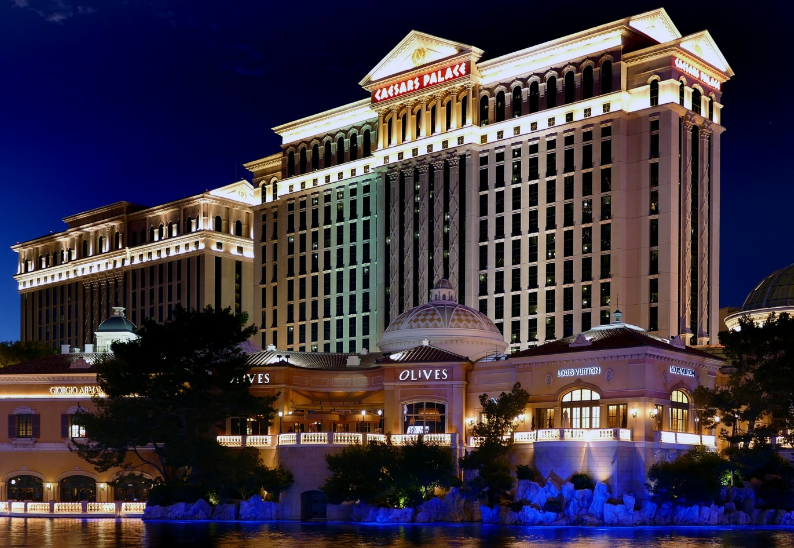
    New York’s iconic Broadway just slammed the door on a massive casino plan backed by Jay-Z. The $5.4 billion Caesars Palace project in Times Square got voted down, crushing hopes for a gambling hotspot amid fierce theater opposition. What led to this dramatic showdown, and what’s next for the city’s entertainment future?

    The Vote That Killed the Casino Vision

    A state-commissioned Community Advisory Committee delivered a decisive blow on September 17, 2025, rejecting the ambitious casino bid in a 4-2 vote. This ended months of heated debate over transforming the office tower at 1515 Broadway into a luxury resort with gaming, hotels, and entertainment.

    The proposal, led by Caesars Entertainment, SL Green, and Jay-Z’s Roc Nation, promised big economic boosts like thousands of jobs and billions in taxes. But critics argued it would harm the theater district’s soul.

    Broadway leaders, including theater owners and producers, rallied hard against it. They worried about increased traffic, crime, and a shift away from family-friendly shows.

    The building targeted for the casino houses the Minskoff Theatre, where “The Lion King” draws crowds daily. Opponents feared the gambling vibe would clash with this cultural gem.

    One committee member called it a “despicable display of cowardice,” but the vote stood firm.

    Why Broadway Fought Back So Hard

    Theater folks saw the casino as a direct threat to their world. Groups like the Broadway League voiced concerns that gamblers might skip shows, hurting ticket sales and local jobs.

    Residents and small business owners joined the outcry, pointing to potential rises in addiction and congestion in already bustling Times Square.

    Jay-Z and his partners tried to sweeten the deal with pledges of $250 million for community funds and $15 million for nearby areas like Hell’s Kitchen. They highlighted 3,800 permanent jobs and 3,000 construction roles.

    Despite these offers, the opposition held strong. A New York Times report noted similar rejections for other casino bids in the area, showing a broader pushback against gambling expansion.

    Protests and public meetings amplified the voices against the plan. One local producer said, “Times Square is for dreams on stage, not dice at tables.”

    This clash highlights the tension between economic growth and preserving cultural landmarks in a city always evolving.

    The Players Behind the High-Stakes Bid

    Jay-Z, the rapper turned business mogul, brought star power through Roc Nation. He lobbied lawmakers, including a notable meeting with Senate Majority Leader Andrea Stewart-Cousins in May 2025.

    Caesars Entertainment aimed to expand its brand, while SL Green, a major real estate player, saw it as a way to revitalize office space post-pandemic.

    Supporters argued the casino would generate $7 billion in new taxes over time, based on their economic projections shared in public bids.

    But data from similar projects elsewhere raised doubts. A 2024 study by the Urban Institute found that urban casinos often boost short-term revenue but can strain local services without careful planning.

    The bid started gaining traction in 2023, with Roc Nation pushing for a spot at the “Crossroads of the World.”

    Key promises included:

    • $250 million community fund for local improvements
    • Focus on cultural integration to blend with Broadway’s vibe
    • Security measures to address safety fears

    Yet, these weren’t enough to sway the committee.

    What This Means for New York’s Gambling Future

    With this rejection, attention shifts to other downstate casino licenses. New York state plans to award three, and eight proposals were in the running.

    The Times Square defeat could inspire similar resistance elsewhere, especially in culturally sensitive spots.

    Experts predict a ripple effect on tourism. Broadway generates about $14.8 billion annually for the city, according to a 2023 Broadway League report, far outpacing potential casino gains.

    Aspect Casino Proposal Impact Broadway Current Impact
    Jobs 3,800 permanent + 3,000 construction Over 87,000 in theater industry (2023 data)
    Revenue $7 billion in taxes projected $14.8 billion annual economic boost
    Risks Increased traffic and addiction concerns Maintains family-friendly appeal

    This table shows the stark contrasts that fueled the debate.

    For everyday New Yorkers, it means Times Square stays true to its theatrical roots, potentially avoiding disruptions to daily life and commutes.

    The decision underscores how community voices can override big-money bids in urban planning.

  • Resorts World Las Vegas Revives Parking Fees Amid Tech Upgrade

    Resorts World Las Vegas Revives Parking Fees Amid Tech Upgrade

    Resorts World Las Vegas just pulled the plug on its popular free parking perk for hotel guests, slapping on a $21 flat fee that has travelers buzzing with frustration. This move ends a summer-long promotion designed to lure visitors, but it comes with a shiny new tech system that promises smoother parking. What does this mean for your next Vegas trip?

    Shift Back to Paid Parking Sparks Debate

    The casino giant made the announcement on Wednesday, signaling the end of free self-parking for most hotel guests. Starting now, anyone staying at the resort will pay $21 per day to park their vehicle. This reverses a temporary offer that ran from late May through early September, aimed at boosting foot traffic during slower months.

    Hotel guests had enjoyed complimentary parking all summer, a rare break from the Strip’s usual fees. But with the promotion over, the resort is betting on its loyal locals and high-rollers to keep things rolling. Visitors from out of state might feel the pinch, especially with rising costs everywhere in Las Vegas.

    The change has stirred up talks online and among travelers. Many say it could deter budget-conscious families who already deal with high room rates and resort fees.

    One quick look at visitor reactions shows mixed feelings. Some praise the resort for trying something new, while others vow to skip it altogether.

    New Tech System Aims to Ease the Pain

    Enter the Metropolis Parking system, a fresh upgrade rolling out alongside the fee change. This tech uses license plate recognition to let drivers enter and exit without stopping for tickets or barriers. Resorts World calls it a game-changer for convenience.

    The system links directly to the resort’s Genting Rewards program. Members can connect their accounts for seamless access, and it even tracks parking for rewards points in some cases.

    Developed by a Las Vegas-based company, Metropolis already operates in over 1,500 spots nationwide. It promises faster flow, cutting down wait times at busy garages.

    For those who qualify for free parking, the tech makes it even better. No more fumbling for cards or apps at the gate.

    Who Still Parks for Free and Why It Matters

    Not everyone has to pay up. Cars with Nevada license plates get a pass, keeping things friendly for locals. That’s a smart nod to the community, as Vegas relies heavily on repeat visits from residents.

    High-tier members of the Genting Rewards program also park free. That includes Elite, Honors, Prime, Monarch, and Imperial levels. These perks reward big spenders who gamble or dine often at the resort.

    Here’s a quick breakdown of who avoids the fee:

    • Nevada residents with local plates
    • Top loyalty program members
    • Valet parking remains separate, with its own charges

    This setup could encourage more people to join the rewards program or play enough to climb the tiers. For the average tourist, though, it adds another expense to trips that already include flights, shows, and slots.

    Resorts World isn’t alone in charging for parking. Most Strip properties have similar policies, with fees ranging from $15 to $25 daily. A 2023 study by the Las Vegas Convention and Visitors Authority showed parking costs influence 40% of visitors’ choices on where to stay. Conducted in late 2023, the research polled over 2,000 tourists and highlighted how small fees add up quickly.

    Broader Impact on Las Vegas Tourism

    This policy tweak comes at a time when Las Vegas is rebounding from pandemic slumps, but facing new challenges like inflation. Resorts World, which opened in 2021, has been aggressive with promotions to stand out on the crowded Strip.

    Free parking started as a test to draw crowds during the hot summer. Data from the resort’s own reports, shared in quarterly earnings, showed an uptick in visitors during the promo period. Yet, revenue dipped 18% year-over-year in the second quarter of 2025, according to financial filings from parent company Genting.

    Experts say reverting to fees might help the bottom line short-term, but risks alienating casual visitors. “Las Vegas thrives on accessibility,” notes tourism analyst Sarah Jenkins from the University of Nevada, Las Vegas. Her 2024 report on hospitality trends, based on surveys from 1,500 visitors, found that surprise fees like parking can sour experiences and lead to bad reviews.

    On the flip side, the new tech could set a trend. If it works well, other resorts might follow, making parking less of a hassle citywide.

    Travelers planning fall trips should factor this in. A family of four staying three nights could add $63 just for parking, on top of other costs.

    How Visitors Can Navigate the Changes

    Smart planning can soften the blow. Joining the Genting Rewards program is free and easy, offering a path to free parking with some playtime.

    For non-locals, consider ride-shares or public transit options like the Las Vegas Monorail, which connects key spots without parking worries.

    Group Parking Fee Notes
    Hotel Guests (Non-Nevada) $21/day Flat rate, no hourly options
    Nevada License Plates Free Unlimited access
    High-Tier Rewards Members Free Linked to status levels
    Valet Service Varies Typically $30+ per use

    This table shows the basics at a glance. Remember, fees can change, so check the resort’s app or site before arriving.

    Many visitors are adapting by booking spots with better perks elsewhere. The key is knowing your options to avoid surprises.

    The parking fee revival at Resorts World Las Vegas highlights the ongoing tug-of-war between boosting profits and keeping guests happy in a competitive market. As the Strip evolves with tech like license plate scanners, travelers gain convenience but face familiar costs that could reshape how they experience Sin City.

  • Marnell Eyes New Casino in Henderson to Challenge M Resort

    Marnell Eyes New Casino in Henderson to Challenge M Resort

    Las Vegas developer Anthony Marnell III just dropped plans for a fresh hotel-casino right across the street from the M Resort, a spot he built over 15 years ago but sold off. This bold move sets up a head-to-head battle in Henderson, Nevada, with details hinting at big expansions and fierce rivalry. What’s driving this comeback, and how will it shake up the local scene?

    The Bold Plan Unveiled

    Anthony Marnell III, a key figure in Las Vegas gaming, has filed site plans for a new hotel-casino in Henderson. The project targets 35 acres at the northeast corner of Las Vegas Boulevard and St. Rose Parkway. It’s a direct shot at competing with the M Resort, which Marnell developed in 2009 before selling it.

    This new resort could cost over $250 million, starting with 200 rooms and growing to 600 in phases. Early filings show a casino floor, food hall, entertainment lounge, meeting spaces, and a pool deck. Marnell told reporters the idea stems from his deep roots in the area.

    He sees untapped potential in southern Nevada’s growth. Henderson has boomed with new homes and businesses, drawing more visitors each year.

    Plans like this often spark excitement, but they also raise questions about market saturation.

    Direct Competition with a Personal Twist

    Marnell isn’t shy about the rivalry. He called the project “absolutely in direct competition” with the M Resort during a recent phone interview. That’s striking since he founded the M, naming it after his family.

    The M Resort opened in 2009 as a luxury spot south of the Las Vegas Strip. Penn Entertainment now runs it and just announced a major upgrade. Their $206 million second hotel tower opens on December 1, 2025, doubling rooms to 765.

    Marnell’s new spot sits right across the street, creating a unique showdown. Imagine building a rival business next to your old creation. It’s personal and strategic.

    This could split the customer base, with locals and tourists choosing between familiar luxury and fresh appeal.

    Experts say such competition boosts innovation. Casinos might roll out better deals or unique features to win crowds.

    Project Details and Timeline

    Diving into the nuts and bolts, the development rolls out in stages. Phase one kicks off with 200 rooms, a solid casino, and key amenities. Later phases add 400 more rooms, ramping up capacity.

    Marnell estimates three to five years before groundbreaking. That timeline fits with city approvals and economic checks. Henderson officials have shown interest, especially after past land deals with the Marnell family.

    Here’s a quick breakdown of what’s planned:

    • Casino space for slots, tables, and high-stakes play
    • Food hall with diverse dining options
    • Entertainment lounge for live shows
    • Meeting areas for events and conferences
    • Outdoor pool deck for relaxation

    Costs could top $250 million, based on similar projects. Funding likely comes from private investors, given Marnell’s track record.

    Delays aren’t uncommon in Vegas builds. Market shifts or regulations could push things back.

    Still, Marnell sounds confident. He points to Henderson’s population growth, up 5% in recent years per U.S. Census data from 2023, as a big driver.

    One phase at a time keeps risks low. It lets the team test the waters before full commitment.

    Impact on Henderson’s Gaming Landscape

    This project could reshape Henderson’s economy. The city, part of the Las Vegas metro, already hosts spots like the M Resort. A new casino means more jobs, from construction to operations.

    Local leaders welcome the boost. Tourism in southern Nevada hit record highs in 2024, with over 40 million visitors according to the Las Vegas Convention and Visitors Authority’s annual report. More hotels could capture that wave.

    But there’s a flip side. Increased competition might strain smaller businesses. The M Resort’s expansion, adding rooms and a new restaurant by chef Emeril Lagasse, shows they’re gearing up for battle.

    Rivals like this often lead to better experiences for guests, with promotions and upgrades keeping things fresh. For residents, it means more entertainment options close to home.

    Analysts predict a ripple effect. Property values around the site could rise, drawing more development.

    Henderson’s gaming scene has evolved since 2020, when early talks of this project surfaced. Now, with plans firming up, it’s a sign of recovery post-pandemic.

    Challenges remain, like water shortages in Nevada. Builders must plan sustainably, as state reports from 2024 highlight conservation needs.

    Overall, this adds to Las Vegas’s allure as a hub of reinvention.

  • GLPI Pumps $225M into Caesars’ New California Tribal Casino

    GLPI Pumps $225M into Caesars’ New California Tribal Casino

    Gaming and Leisure Properties just sealed a massive $225 million deal to fund a fresh tribal casino project in California’s wine country, teaming up with Caesars Entertainment and a local Native American tribe. This move could reshape gaming in Sonoma County, but what does it mean for jobs, tourism, and the broader casino world? Dive in to uncover the details behind this high-stakes partnership.

    Deal Breaks Ground on Sonoma County Resort

    Gaming and Leisure Properties (GLPI), a real estate powerhouse in the casino space, announced on Tuesday a $225 million financing pact with Caesars Entertainment and the Dry Creek Rancheria Band of Pomo Indians. The funds will transform the existing River Rock Casino site in Healdsburg, California, into the Caesars Republic Sonoma County resort.

    This agreement marks GLPI’s growing push into tribal gaming, offering structured loans that blend high returns with long-term leases. The project kicked off construction recently, with an expected opening in summer 2027. It promises to boost the local economy by creating jobs and drawing visitors to Sonoma County’s scenic hills.

    Details from GLPI show the financing splits into two parts: a $180 million delayed draw term loan at a fixed 12.50% interest rate, and a $45 million term loan B yielding 13.95% to maturity. Together, they hit a blended interest rate of 12.79%.

    The setup also includes a 45-year lease worth at least $112.5 million, locked in at a 9.75% cap rate. This structure lets GLPI act as both lender and landlord, securing steady income while the tribe and Caesars handle operations.

    Inside the New Casino’s Features and Impact

    Picture a resort blending luxury with tribal heritage, set against vineyards and rolling hills. The Caesars Republic Sonoma County will boast over 100 hotel rooms, four dining spots, 1,000 slot machines, and 28 table games. It’s designed to appeal to gamers, tourists, and locals alike.

    This isn’t just about slots and cards. The project aims to honor the Dry Creek Rancheria Band’s culture while pumping fresh life into the area. Healdsburg, known for its wineries, could see a surge in visitors, blending gaming excitement with wine tours.

    Local officials and business leaders are buzzing about the potential. Sonoma County’s economy, hit hard by recent wildfires and tourism dips, might get a much-needed lift. Estimates suggest hundreds of construction jobs during the build, followed by ongoing roles in hospitality and gaming.

    But challenges loom. Tribal gaming often navigates complex regulations, and this deal builds on California’s patchwork of casino laws. The state has over 60 tribal casinos, generating billions yearly, according to the California Nations Indian Gaming Association’s 2024 report.

    Here’s a quick look at key project highlights:

    • Gaming Options: 1,000 slots and 28 tables for diverse play.
    • Hospitality Boost: Over 100 rooms plus four restaurants.
    • Timeline: Construction underway, full opening targeted for summer 2027.
    • Location Perks: Nestled in wine country, easy access for Bay Area crowds.

    GLPI’s Strategy in Tribal Gaming Expansion

    GLPI isn’t new to this game. Based in Pennsylvania, the company owns 68 casinos across 20 states, focusing on real estate plays that let operators like Caesars run the show. This Sonoma deal follows a $110 million loan last year to the Ione Band of Miwok Indians for their Acorn Ridge Casino near Sacramento.

    Analysts like Deutsche Bank’s Carlo Santarelli call these tribal ties a “pipeline catalyst,” opening doors to more deals and shareholder gains. GLPI’s second-quarter results highlighted their hunt for similar opportunities, where custom funding helps tribes build without heavy upfront costs.

    Why does this matter? Tribal gaming raked in $39 billion nationwide in 2023, per the National Indian Gaming Commission’s latest data from early 2024. California’s slice alone tops $10 billion, supporting tribal communities and state programs.

    For GLPI, the high interest rates and long lease provide strong returns. Investors watched the stock tick up slightly after the announcement, signaling confidence in this niche.

    Yet, not everyone’s cheering. Some locals worry about traffic and environmental impacts in Sonoma’s quiet valleys. A 2025 study by the University of California, Davis, noted that new casinos can strain water resources in drought-prone areas like this.

    Broader Effects on California’s Casino Scene

    This partnership spotlights California’s evolving gaming landscape. With no commercial casinos allowed, tribes hold the keys, often partnering with big names like Caesars for expertise and branding.

    The Dry Creek Rancheria Band, stewards of the land for generations, sees this as a way to grow sustainably. Their leaders have stressed community benefits, like funding for education and health programs.

    Nationwide, such deals could inspire more REIT involvement in tribal projects. GLPI’s model offers a blueprint: provide capital, secure leases, and let partners thrive.

    Looking ahead, expect ripple effects. Bay Area residents might flock north for weekends, blending Vegas-style fun with California’s chill vibe. But regulators will watch closely to ensure fair play and cultural respect.

    In a state where gaming debates rage—from sports betting props to tribal compacts—this project adds fuel to discussions about economic equity for Native communities.

    This GLPI-Caesars deal isn’t just about building a casino; it’s a bold step toward blending tradition with modern entertainment, potentially transforming Sonoma County into a gaming hotspot while delivering real wins for tribes and investors alike. It sparks hope for economic revival in rural areas, yet raises questions about balancing growth with preservation. What do you think—will this resort be a jackpot for California, or face unexpected hurdles? Share your views and pass this story along to friends on social media to keep the conversation going.

  • Casino Guru and BetBlocker Bring Self-Exclusion Tools to Finnish Gamblers

    Casino Guru and BetBlocker Bring Self-Exclusion Tools to Finnish Gamblers

    Casino Guru and BetBlocker are teaming up to expand responsible gambling tools into Finland, giving Finnish players access to anonymous, easy-to-use blocking software in their own language. The move highlights growing attention to problem gambling across Europe and the role of technology in supporting vulnerable players.

    Finnish Language Support Opens New Doors

    For years, gambling harm support tools have been heavily skewed towards English speakers. Many players who didn’t feel confident in English often struggled to use tools effectively, if they found them at all. Now, BetBlocker’s software — widely recognised in the UK and beyond — is being localised into Finnish, thanks to Casino Guru’s continued efforts in expanding responsible gambling resources.

    This isn’t just a matter of convenience. Language shapes understanding, and when a player is stressed or in crisis, being able to use support tools in their own mother tongue can mean the difference between seeking help and staying silent.

    Finland, with a long history of both state-run and private gambling, has been reviewing its gambling framework amid increasing concerns about addiction. Officials estimate that nearly three percent of Finland’s adult population struggles with some form of gambling-related harm. That makes the timing of this expansion all the more significant.

    Partnership with a Purpose

    The collaboration between Casino Guru and BetBlocker isn’t brand new, but its scope is widening. Casino Guru has been pushing safer gambling measures globally, from its Safety Index to its Global Self-Exclusion Initiative, which aims to create cross-border consistency in gambling restrictions. BetBlocker, meanwhile, has positioned itself as an anonymous, free-to-use blocking solution.

    Bringing the two together creates a synergy. Casino Guru provides the data, insights, and reach. BetBlocker provides the tool. Together, they’re chipping away at what has long been considered one of the industry’s biggest blind spots — accessibility.

    One short sentence is enough here. It’s about making the service truly usable.

    Why Finland Matters in the Gambling Debate

    Finland might not be the largest gambling market in Europe, but it represents a fascinating test case. For decades, the Finnish system was unique: a state monopoly, Veikkaus, controlled almost all gambling. But with the rise of online platforms and cross-border operators, that model has been breaking down.

    Regulators are now considering moving towards a licensing-based model by 2026, similar to what Sweden adopted in 2019. Under such a system, private companies could apply for licenses but would be held to strict responsible gambling requirements.

    So, tools like BetBlocker aren’t just a voluntary add-on anymore. They could soon become part of compliance frameworks, where licensed operators are expected to promote, or even integrate, such software. That gives this partnership a regulatory relevance beyond its immediate user base.

    Interestingly, Finland has one of the highest gambling participation rates in Europe. Some surveys suggest that over 70% of adults gamble at least once a year, compared with around 45% in the UK. That contrast makes localised harm reduction tools especially urgent.

    Tackling the Language Barrier Head-On

    One of the core issues addressed here is deceptively simple: language. Many global gambling companies boast of their multilingual platforms, yet support tools often lag behind. Casino Guru has been systematically translating its database and educational content into multiple languages, betting that accessibility will drive both awareness and action.

    Here’s what’s on offer in Finnish now:

    • The full BetBlocker application interface, menus, and options translated into Finnish.

    • Casino Guru’s responsible gambling articles and help guides available in Finnish.

    • Integration of Finnish-language self-exclusion resources, connecting local and global support.

    That bullet list is important because it shows tangible results rather than abstract promises.

    And yes, this move matters beyond Finland. Localisation can be rolled out to other countries with similar needs, whether that’s Hungary, Slovakia, or non-European markets like Brazil.

    Responsible Gambling Efforts in Numbers

    To put this in perspective, let’s compare Finland’s situation with a few others. The following table highlights recent figures:

    Country % of Adults Gambling Annually Estimated Problem Gambling Rate Main Responsible Gambling Tool
    Finland 70%+ ~3% BetBlocker (via Casino Guru)
    United Kingdom ~45% 0.5–0.8% GamStop + BetBlocker
    Sweden ~58% 1.3% Spelpaus + third-party tools
    United States ~60% 2–3% (varies by state) BetBlocker + state programmes

    This table helps show why Finnish localisation isn’t just symbolic. The country has both a high participation rate and a relatively high harm percentage compared with its neighbours.

    One line here is enough. The numbers speak loudly on their own.

    Industry Reaction and What Comes Next

    The gambling industry’s reaction has been mixed. On one hand, charities and advocacy groups have praised the initiative, calling it a long-overdue step towards inclusivity. On the other, some operators quietly worry that such tools could cut into revenues if too many players self-exclude.

    That tension is nothing new. Safer gambling has always had to balance commercial interests with public health goals. But in an age where regulatory pressure is mounting, companies that fail to support initiatives like this risk reputational damage and possible penalties.

    Casino Guru has hinted that Finland won’t be the last. Discussions are ongoing to extend similar localisation projects to other European markets where gambling participation is high but support resources remain scarce.

    The big question is whether governments themselves will step in and mandate such translations. If they do, tools like BetBlocker could go from optional add-ons to required safeguards.

    And for players struggling in silence, that could change everything.

  • Nevada Casinos Post Record July Revenue Despite Tourist Decline

    Nevada Casinos Post Record July Revenue Despite Tourist Decline

    Nevada’s casinos had one of their strongest months on record in July, pulling in $1.36 billion in gaming revenue, even as fewer visitors came through the doors. The state’s seventh-highest monthly win underscored the enduring pull of gambling, with the Las Vegas Strip leading the charge.

    Strip Surges While Tourists Stay Away

    The numbers tell a fascinating story. The Strip generated just over $749 million in revenue, a rise of 5.6% compared with July 2024. That’s a strong gain, especially against the backdrop of fewer visitors — the Las Vegas Convention and Visitors Authority (LVCVA) reported a 12% decline in visitation, down to just under 3.1 million people.

    June had already shown an 11% fall in visitors, making July the second month in a row with double-digit drops. For a city that thrives on foot traffic, that’s unusual. Yet, despite emptier sidewalks and hotel lobbies, the tables and slot machines were busier than expected.

    It’s a paradox: fewer people, but more money spent. Analysts say this hints at a different type of visitor coming to town — fewer budget travellers, more high-rollers and wealthier tourists.

    Big Spenders Make Up the Difference

    Industry experts suggest that while overall tourist numbers have shrunk, the quality of spend has gone up. Some argue that international visitors, who often gamble in larger sums, are returning after pandemic-related disruptions. Others point to domestic tourists who, though smaller in number, are staying longer and spending more per head.

    One sentence to note here: high-spending visitors can outweigh a drop in volume.

    The Nevada Gaming Control Board (NGCB) noted that baccarat — a favourite among international high-rollers — showed strong performance, alongside table games and slots. That aligns with the theory that fewer but richer visitors are driving the gains.

    • Baccarat winnings rose sharply compared with last year.

    • Slot machines, still the bread and butter of casino floors, maintained steady growth.

    • Sports betting revenue, however, cooled slightly as the summer calendar slowed.

    Together, these figures helped prop up the total even as foot traffic slowed.

    Historical Perspective: Where July Stands

    To put the $1.36 billion in context, July 2025 ranks as the seventh-best month ever for Nevada’s casino industry. That’s no small feat, given the market’s decades of growth.

    Here’s a quick look at where July 2025 fits compared to previous peaks:

    Month & Year Total Gaming Win Ranking
    July 2021 $1.36B 7th
    July 2022 $1.32B 9th
    March 2023 $1.40B 5th
    July 2024 $1.31B 11th
    July 2025 $1.36B 7th

    This table shows how consistent July has been as a high-revenue month for the state. Summer still matters, even if visitor counts waver.

    Tourism Slips But Hotels Stay Busy

    While gaming revenue hit records, the hospitality side told a different story. Hotels reported weaker occupancy rates, reflecting the 12% dip in arrivals. Convention attendance was also lower, with fewer big corporate gatherings compared to last year.

    Yet, average daily room rates stayed firm. In some cases, they even went higher, as operators sought to squeeze more from fewer guests. That suggests casinos may be offsetting lower volume with pricing strategies across both gaming and non-gaming segments.

    One hotel manager described it as “fewer guests, but higher-spending ones,” echoing the revenue data.

    Broader Economic Implications

    The state’s reliance on gaming taxes means the July performance is good news for Nevada’s budget. Taxes from the $1.36 billion win help fund schools, infrastructure, and public services.

    Still, the decline in tourist numbers cannot be ignored. Fewer visitors put pressure on restaurants, shows, ride-share drivers, and the entire ecosystem that thrives around gaming. The Strip may be thriving at the tables, but the ripple effects outside the casino walls paint a more complex picture.

    Economists warn that relying too heavily on high-spending gamblers could make the industry more vulnerable. If global economic conditions shift, that segment could dry up quickly. It’s a reminder that gaming revenue can look strong while other parts of the tourism economy quietly suffer.

    Looking Ahead to Autumn

    The big question now: can Nevada keep up this performance into the autumn months? August often shows a dip after the summer surge, while September tends to hinge on convention traffic and sports events.

    NFL season brings renewed sports betting activity, which could help offset slower slot play. Conventions scheduled for late September may also draw in large groups, potentially reversing the trend of declining visitors.

    But for now, July stands out as an oddity — a month where fewer people came to town, yet casinos made more money than almost any other time in history.

  • Penn Entertainment Sees Interactive Surge Offset Stagnant Retail in Q2

    Penn Entertainment Sees Interactive Surge Offset Stagnant Retail in Q2

    Penn Entertainment’s second-quarter numbers painted a mixed picture: retail casino revenue flatlined, but a digital push gave the company a welcome lift. The interactive division’s growth is now doing much of the heavy lifting.

    Interactive Division Gains Momentum

    The online arm of Penn Entertainment has been a standout. Revenue from the interactive segment climbed 35.9% to $316.1 million in Q2 — the highest growth rate among its business units. Even more telling, losses narrowed sharply, with adjusted EBITDAR losses shrinking from $102 million in Q2 2024 to $62 million this year.

    Executives point to two main factors: sharper product updates and Penn’s omnichannel strategy, which ties online play to retail loyalty programs. “We’ve still got plenty to iron out, but the momentum’s clear,” said CEO Jay Snowden.

    For the first half of 2025, interactive losses were down by nearly half compared with last year. That kind of turnaround doesn’t go unnoticed in a sector where digital profitability has been elusive.

    Retail Casinos Hold Ground

    Brick-and-mortar casinos remain Penn’s cash anchor, but performance was flat in Q2. Retail casino revenue stayed at $1.4 billion — identical to last year’s figure. That stability isn’t necessarily bad news, though it does suggest competition and market saturation are keeping growth in check.

    Adjusted EBITDAR from the retail side was the primary contributor to Penn’s total $498.6 million adjusted EBITDAR in the quarter. Without that steady base, the company’s online recovery would be harder to fund.

    Still, no one inside the company is ignoring the reality: retail casino floors aren’t pulling in more players than a year ago.

    Financial Position Steady but Watched Closely

    Penn closed Q2 with $671.6 million in cash and $2.1 billion in net debt. The debt level is significant but not unusual for a company with both physical and digital operations to maintain.

    Share buybacks continue to be a priority. So far in 2025, Penn has repurchased $115.3 million in shares, with a target of at least $350 million for the full year. It’s a signal of confidence — but also a calculated risk if operating costs rise faster than expected.

    • Q2 Revenue: $1.76 billion (up 6% YoY)

    • H1 Revenue: $3.4 billion (up 5% YoY)

    • Adjusted EPS: $0.10 (vs. $-0.18 last year)

    Online Betting and iCasino: The Real Growth Story

    The numbers suggest that Penn’s online sports betting and online casino products are no longer side projects. They’re becoming primary growth drivers. Both categories saw record gaming revenue in Q2, driven by improved app performance, better odds offerings, and cross-promotions with retail properties.

    Here’s a quick snapshot of year-on-year change:

    Segment Q2 2024 Revenue Q2 2025 Revenue % Change
    Retail Casinos $1.4B $1.4B 0%
    Interactive Division $232.5M $316.1M +35.9%

    Analysts Split on Future Trajectory

    Some see Penn’s hybrid retail-online model as a long-term advantage. Others warn that digital gains could plateau if competitors match Penn’s tech upgrades. Regulatory changes in online gaming markets also remain a wildcard.

    A few are keeping an eye on margins. Interactive losses may be shrinking, but they’re still losses. If marketing costs spike — as they often do in sports betting seasons — quarterly results could swing back into the red.

    Still, Q2’s 6% revenue growth and an adjusted EPS turnaround from a loss to $0.10 will keep optimism alive, at least for now.

  • Monaco Cracks Down on Unauthorised Photos to Shield Casino and Hotel Guests

    Monaco Cracks Down on Unauthorised Photos to Shield Casino and Hotel Guests

    Monaco has drawn a firm line in the sand. Snapping a quick photo in a casino or hotel could now land you in trouble — if you don’t have permission, that is.

    A new law has officially criminalised unauthorised photography and filming inside Monaco’s glitzy casinos and luxury hotels. For a place that thrives on exclusivity and privacy, it’s a move that formalises a long-standing cultural code — don’t point a lens at someone unless they say it’s OK.

    Privacy Is No Longer Just a Polite Request — It’s Law

    It’s not that this is new behaviour. Locals and staff alike have always understood that discretion is part of the package deal in Monaco. But the government has now laid it out in black and white, with legislation to back it.

    Article 308-2 of Monaco’s updated Penal Code bans photography or filming of anyone without their explicit consent. It doesn’t stop there. Article 308-3 makes distributing those images illegal. Article 308-4 doubles down, reinforcing the ban on sharing content that breaches someone’s privacy.

    For a place that hosts everyone from Hollywood A-listers to Arab royalty and European aristocrats, the law feels more like a formality than a shift. Yet the stakes are different now. It’s no longer just bad manners to pull out your phone — it could cost you.

    What the Law Actually Says — And What It Doesn’t

    Interestingly, Monaco’s government hasn’t released specific details about the penalties. There’s talk of fines and criminal charges, but no numbers have been shared yet. It seems they’re leaving room for discretion.

    The law doesn’t just apply to tourists with camera phones. It also affects influencers, vloggers, and even news crews. If you’re filming someone without a green light, that footage may be illegal — no matter how harmless it seems.

    Here’s a breakdown of what’s covered:

    • Photos and videos taken without a person’s consent inside casinos or hotels

    • Content sharing, whether online or offline, if the original capture was unauthorised

    • Applies to all individuals, regardless of the photographer’s intent

    But there’s still ambiguity. What if a selfie accidentally includes a celebrity in the background? What if you’re filming yourself and someone walks by? That grey area could create confusion, or worse, legal drama.

    Multilingual Warnings Are Already in Place

    If you visit any major casino or hotel in Monaco right now, you’ll notice the signs. They’re hard to miss.

    The Monte-Carlo Société des Bains de Mer (SBM), which operates the city’s most iconic venues, has installed new multilingual signs across its properties. That includes the Casino de Monte-Carlo, Casino Café de Paris, Sun Casino, and Monaco Bay Resort Casino.

    The message is clear:
    “Please do not film or photograph hotel and casino guests. Any offender is subject to sanctions.”

    This isn’t a polite request anymore. These signs are backed by the force of law. And they’re printed in several languages, aimed squarely at Monaco’s international clientele.

    It’s a preventative measure too. By placing the signs at entrances and public areas, venues are reducing the chances of accidental infractions. You’ve been warned, quite literally.

    Monaco’s Image as a Safe Haven for the Elite

    Monaco isn’t just a tax haven. It’s a privacy haven. With a population of under 40,000 and some of the tightest security anywhere in Europe, it’s long been a magnet for the ultra-wealthy.

    Here, discretion isn’t just appreciated — it’s expected. Paparazzi don’t get far, and the press treads lightly. For high-profile guests, the appeal is obvious: no one’s pointing a camera at you while you’re playing blackjack or sipping champagne.

    There’s even an unspoken code among residents. You might see a prince, a billionaire, or a global pop star — but no one makes a fuss. That’s the Monaco way.

    The new law takes this cultural ethos and writes it into law. And in doing so, it strengthens the principality’s status as a rare bubble where privacy still means something.

    Could This Spark a Trend in Other Luxury Destinations?

    Other luxury destinations are watching closely. From the French Riviera to Dubai’s five-star resorts, privacy is a hot commodity. But few places have gone as far as Monaco in putting legal teeth behind the idea.

    It raises a fair question — will others follow suit?

    A few things could hold them back. For starters, enforcement is tricky. Monaco is small, with tightly controlled venues. That’s not the case in sprawling resort towns or cities with looser surveillance.

    Second, there’s the tourist backlash to consider. Social media is a major part of travel now. Many visitors expect to film their stays, tag the location, and share it with followers. Clamp down too hard, and you risk alienating a large chunk of your audience.

    But Monaco isn’t worried about going viral. It’s playing a different game.

    One Law, Many Interpretations

    Not everyone agrees on how this will play out. Legal experts, residents, and even some hotel staff have raised concerns.

    Some say the law could be hard to apply in real time. Others wonder if it gives too much power to complainants. For example, could someone use the law to threaten a tourist who simply snapped a scenic shot of the casino exterior?

    It’s also unclear how the law affects events, like weddings or conferences, hosted inside hotels. Would a wedding guest need written consent to post a group photo on Instagram?

    Still, most agree that the spirit of the law is aligned with Monaco’s values. It’s about trust, discretion, and respect.

    And, perhaps more than anything else, it’s about control — over one’s image, one’s reputation, and the moment.