India’s top court just fired a shot across the bow at the government’s new online gaming law, ordering a full response to challenges that could reshape a booming industry. With billions at stake, this ruling teases a high-stakes battle over freedom, money, and digital fun – but will the ban hold, or will gamers get a lifeline?
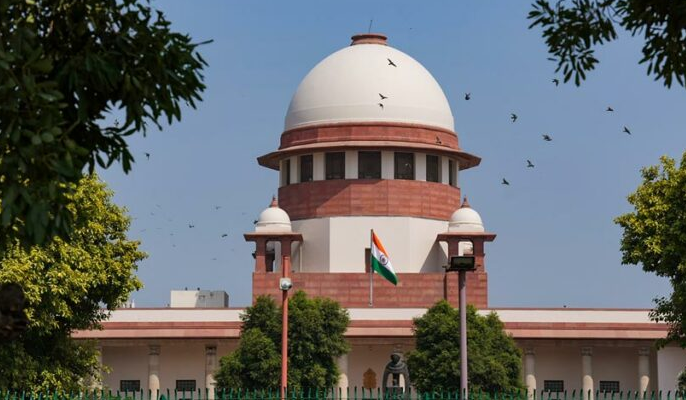
The Supreme Court of India took a firm stand on Tuesday, telling the central government to submit a detailed reply to petitions against the Promotion and Regulation of Online Gaming Act, 2025. This law, which bans all real-money online games, has sparked outrage from industry players who say it kills jobs and innovation.
Justices J.B. Pardiwala and K.V. Viswanathan led the bench. They noted the government’s initial response was too basic, focusing only on short-term pleas. The court demanded a comprehensive answer covering every key issue raised by petitioners. This move highlights growing concerns over the law’s impact on India’s digital economy.
Petitioners, including gaming companies and stakeholders, argue the act oversteps by shutting down fantasy sports, e-sports, and other stake-based games. The hearing wrapped with a next date set for November 26, giving the government time to prepare.
One intriguing hint came from the bench. They suggested that regular tournaments and competitions might escape the ban’s reach, as long as no wagering is involved. This could open doors for non-betting events, offering some hope to the sector.
The Law’s Reach: Bans and Penalties Explained
Passed in August 2025, the Promotion and Regulation of Online Gaming Act marks India’s first nationwide crackdown on real-money gaming. It outlaws platforms like fantasy sports and card games where users bet cash, and it hits hard on ads, banking ties, and even influencers who promote them.
Under the act, operators face up to three years in jail and fines reaching 1 crore rupees. Banks must block deposits and withdrawals linked to these games. Advertisers and facilitators get similar punishments, aiming to curb what the government calls gambling disguised as skill.
- Fantasy Sports Hit Hardest: Platforms like Dream11 could see massive revenue drops, as the law lumps them with pure betting apps.
- E-Sports in Limbo: Competitive gaming events without stakes might survive, but the line is blurry.
- Ad Bans: Celebrities and media can’t promote these games, squeezing marketing budgets.
This isn’t just about fun; it’s big business. A 2024 report from KPMG showed India’s online gaming market hit $3.1 billion in revenue, with real-money games making up over 80%. The ban has already led to layoffs and shutdowns, as companies scramble to adapt.
Critics say the law ignores court precedents that called games like rummy “skill-based” rather than chance. Petitioners claim it violates free speech and business rights under the Constitution.
Industry Fallout: Jobs, Economy, and Global Ripples
The online gaming ban has sent shockwaves through India’s tech scene, putting thousands of jobs at risk. Startups that built empires on fantasy leagues now face closure, with investors pulling back amid uncertainty.
Take the case of a Mumbai-based firm that laid off 200 employees last month after the law passed. Founders say the act treats all gaming as gambling, ignoring data that shows skill elements reduce addiction risks. A study by the Indian Gaming Federation in 2023 found that 70% of players engage responsibly, but the government cites rising debt and fraud as reasons for the clampdown.
| Impact Area | Before Ban (2024 Estimates) | Potential After Ban |
|---|---|---|
| Market Value | $3.1 Billion | Drop to $1 Billion |
| Jobs | 100,000+ | 40% Loss Expected |
| Tax Revenue | 5,000 Crore Rupees | Sharp Decline |
Globally, this could hurt India’s image as a tech hub. Foreign investors, drawn by the sector’s growth, might look elsewhere. Meanwhile, users feel the pinch – many turned to gaming for side income during tough times, like post-pandemic recovery.
One gamer from Delhi shared how fantasy cricket helped pay bills. Now, with apps shutting down, options dwindle. The petitions also point out enforcement gaps, with claims that 2,000 betting apps still operate despite the law.
Legal Battles Ahead: Precedents and Arguments
Past rulings add fuel to the fire. In 2021, the Supreme Court upheld skill-based games as legal, separating them from gambling. Petitioners lean on this, saying the 2025 act is a blunt tool that ignores nuances.
The government defends it as a public welfare move, targeting exploitation. But experts question if it’s overreach, especially since states like Tamil Nadu had their own bans overturned in courts.
This case pulls in transfers from high courts, centralizing the fight in Delhi. With the next hearing in late November, all eyes are on the Centre’s reply. Will it defend the ban fully, or offer tweaks like exempting tournaments?
The act’s timing aligns with global trends. Countries like the UK regulate gaming tightly, but India’s outright ban stands out. Analysts predict if the court strikes it down, it could set a precedent for balanced rules.
India’s Supreme Court has put the spotlight back on a law that’s crippling a vibrant industry, demanding answers that could either uphold the ban or spark a revival for online gaming. As billions hang in the balance, this showdown reminds us of the delicate dance between regulation and innovation in the digital age.
Leave a Reply